In today’s security landscape, businesses face evolving threats. Many wonder, "can access control systems be used for offices?" The answer is not straightforward. Access control systems have become essential tools for enhancing office security. They regulate who enters a space and when. These systems can include keycards, biometric scanners, and mobile access features. Each option comes with its strengths and weaknesses.
Implementing access control systems can be challenging. Not all systems suit every office environment. A small startup may not need the same security approach as a large corporate office. Companies must assess their unique needs. Staff awareness and training are crucial. Employees must understand the system to avoid errors. Misconfigurations can lead to unauthorized access, creating significant security risks.
In conclusion, while access control systems offer security benefits, they require careful consideration. Companies should evaluate their specific circumstances. They must look for solutions that fit their culture and size. This balanced approach ensures that security measures are effective.
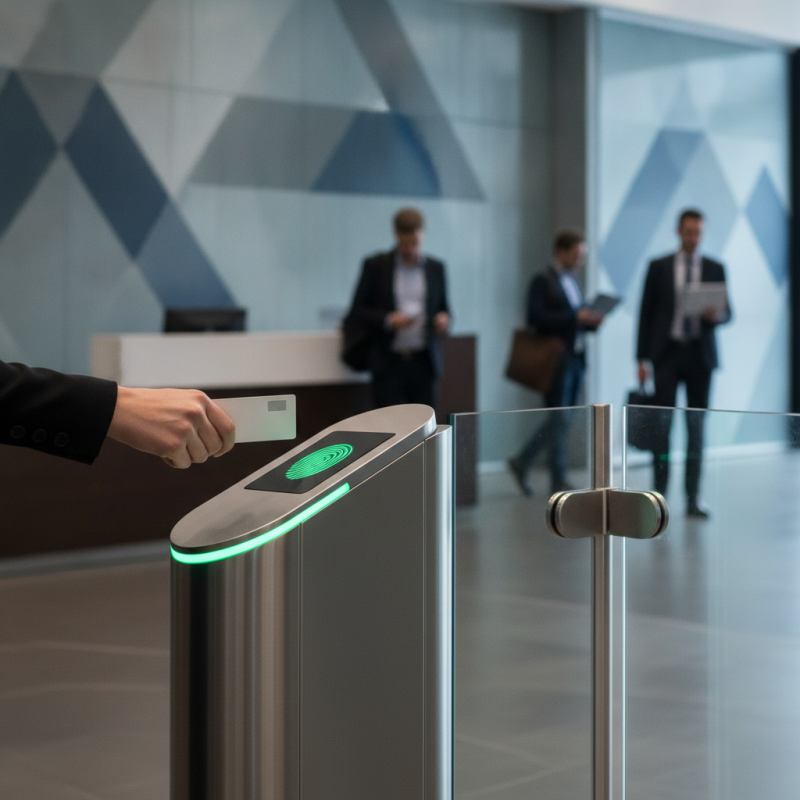
Access control systems play a vital role in enhancing security within office environments. According to a recent report by the Security Industry Association, over 70% of businesses are investing in advanced access control solutions. These systems manage who can enter specific areas, ensuring that only authorized personnel have access to sensitive information or secure zones.
Implementing an effective access control framework involves various technologies, such as key card systems, biometric scanners, and mobile access solutions. These technologies not only strengthen security but also streamline entry processes. For instance, a study by the National Institute of Standards and Technology found that biometric systems reduce unauthorized access incidents by up to 50%.
Tips: Consider integrating multiple access methods for enhanced security. Regular training on security protocols is essential for all employees. Monitor and assess the system's effectiveness periodically to adapt to evolving threats. Be aware that reliance on technology alone does not eliminate human error. Training staff to recognize potential security risks is equally important.
| Access Control System Type | Features | Benefits | Typical Use Cases |
|---|---|---|---|
| Key Card Systems | Allows access via RFID cards; easy to manage | Cost-effective, scalable, quick access management | Office buildings, corporate environments |
| Biometric Systems | Uses fingerprints or iris scans; high security | Enhanced security, reduced risk of unauthorized access | High-security areas, data centers |
| Mobile Access Systems | Access via smartphones; convenience | Faster access, reduced need for physical keycards | Modern offices, flexible working environments |
| Intercom Systems | Allows communication with visitors; entry management | Enhanced visitor management, improved security | Reception areas, secured entrances |
| Cloud-Based Access Control | Remote management and monitoring over the cloud | Flexible, scalable, real-time updates | Multi-location businesses, remote offices |
: Access control systems enhance security by managing who can enter specific areas. They restrict access to authorized personnel only.
Common technologies include key card systems, biometric scanners, and mobile access solutions. Each has unique benefits for security.
Biometric systems reduce unauthorized access incidents significantly. They use fingerprints or facial recognition for better accuracy.
Biometric systems may face technical glitches sometimes. This can lead to access issues and frustration for users.
Training helps employees recognize potential security risks. Human error can undermine even the best systems and protocols.
Keypad entry systems are simple. However, if codes are shared, security can be compromised easily.
Companies should assess their specific security needs and vulnerabilities. Each system has pros and cons.
Mobile access is convenient and allows entry using smartphones. However, concerns over battery life and connectivity exist.
Relying solely on technology without addressing human factors can expose vulnerabilities. Training is essential for effective security.
Regular monitoring and assessment help adapt systems to evolving threats. Adjust strategies based on performance and incidents.
Access control systems can be effectively utilized in office environments to enhance security. These systems come in various types, including card-based access, biometric scanners, and mobile credentialing, each offering unique advantages suitable for office settings. Implementing such systems benefits organizations by restricting unauthorized access, improving employee safety, and maintaining a secure environment for sensitive information.
However, challenges may arise, such as integration with existing security measures and the need for ongoing maintenance and updates. It is essential for offices to consider these factors by adopting best practices for access control, including regular audits, employee training, and choosing the right technology for their specific needs. In summary, the question of whether access control systems can be used for offices is answered positively, as they are invaluable tools for safeguarding workplace security.

 SMTR SmartLiving