Top 5 Advantages of Biometric Access Control You Should Know?

Time:2026-06-27 Author:Charlotte
0%

In today's security landscape, organizations seek effective solutions to protect their assets. One such method gaining traction is biometric access control. It utilizes unique biological traits for identity verification, such as fingerprints or facial recognition. But what are the advantages of biometric access control?

Biometric systems offer enhanced security, reducing risks of unauthorized access. Unlike traditional keys or passwords, biometric traits are hard to replicate. This aspect can deter potential intruders. Additionally, these systems streamline the process of securing entry points. Users no longer need to carry multiple keys, making access more convenient.

However, it's essential to reflect on potential flaws. Biometric systems can be sensitive. Variations in environmental conditions might affect accuracy. Privacy concerns also linger in the conversation around biometric data collection. Overall, understanding these advantages can help organizations make informed decisions about their security measures.
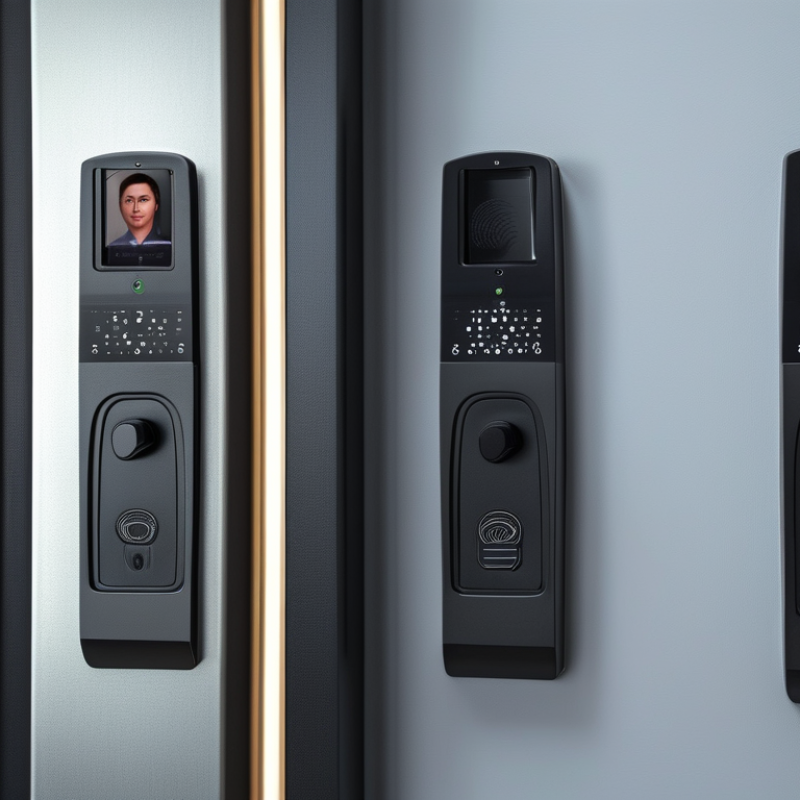
Top 5 Advantages of Biometric Access Control You Should Know?

Understanding Biometric Access Control Systems

Biometric access control systems are revolutionizing security. These systems rely on unique biological traits, such as fingerprints or facial recognition, to authenticate users. According to a report by MarketsandMarkets, the biometric market is projected to grow from USD 34.3 billion in 2020 to USD 59.31 billion by 2025. This growth indicates a rising demand for advanced security solutions.

The appeal of biometric systems lies in their accuracy and efficiency. Traditional access methods, like passwords, are prone to human error. Research shows that over 80% of data breaches occur due to weak passwords. Biometric systems eliminate these vulnerabilities. They provide a reliable way to authenticate users, making unauthorized access more difficult.

However, challenges remain. Privacy concerns are significant. People often worry about how their biometric data is stored and used. Ensuring data security is paramount for companies implementing these systems. A survey indicated that 62% of consumers are hesitant to use biometric solutions due to privacy fears. Addressing these concerns will be crucial as the technology continues to evolve.

Top 5 Advantages of Biometric Access Control You Should Know

Advantage Description
Enhanced Security Biometric access controls use unique biological characteristics such as fingerprints and facial recognition, making it much harder for unauthorized access.
Convenience Users no longer need to remember complex passwords or carry keys; their biometrics provide seamless access.
Lower Risk of Unauthorized Access With unique biometric data, the chances of someone bypassing the system are significantly reduced compared to traditional keys or passwords.
Audit Trails Biometric systems often log access attempts, providing detailed audit trails that help in monitoring usage and detecting suspicious activities.
Scalability Biometric systems can easily scale to fit the needs of various organizations, catering to small businesses as well as large enterprises without compromising security.

Enhanced Security Features of Biometric Technology

Biometric technology offers significant enhancements to security features, making it a compelling choice for access control. Unlike traditional methods, such as keys or passwords, biometrics utilize unique physical traits. These include fingerprints, facial recognition, and iris scans. This distinctiveness makes it challenging for unauthorized users to gain access. Consequently, security levels increase dramatically.

However, the implementation of biometric systems has its shortcomings. For instance, individuals may have difficulty with certain technologies. Some might find facial recognition ineffective in low-light conditions. Similarly, fingerprint sensors may struggle with damaged or dirty fingers. These issues highlight the need for continuous improvement in biometric technology.

Despite these challenges, the reliability of biometrics remains a strong point. The combination of advanced algorithms and secure storage methods protects user data. Biometric systems also reduce the likelihood of human errors associated with traditional access methods. By automating verification, they streamline the process, saving time and resources. Nevertheless, developers need to address the occasional inaccuracies and improve user experience across various environments.

Convenience and User Experience in Access Control

Biometric access control systems offer remarkable convenience and enhance user experience significantly. By using unique physical traits like fingerprints or facial recognition, these systems eliminate the need for traditional security measures. No more fumbling for keys or remembering passwords. This simplification can make access quicker and smoother, especially in busy environments.

However, not everything about biometric systems is flawless. Users sometimes express concerns over privacy and data security. If a biometric database is compromised, individuals can face serious risks. The potential for system errors also exists. Users can be mistakenly denied access due to dirty sensors or lighting issues. Such situations remind us that while technology strives for perfection, it can face unexpected challenges.

Despite these imperfections, the benefits of biometric access control are evident. Greater convenience leads to improved workflows and enhanced productivity. As more organizations adopt these systems, the focus on user experience will need to adapt. Finding the right balance between innovation and user trust remains essential.

Cost-Effectiveness and Long-Term Savings

Biometric access control systems offer significant cost-effectiveness and long-term savings. Organizations are increasingly shifting towards biometric solutions to streamline their security measures. According to a report by the Security Industry Association, upgrading to biometric access control can reduce labor costs by up to 30%. Manual key systems require ongoing maintenance and replacement, which can add up over time.

Implementing biometric systems cuts down on the need for physical keys and cards. These items can be lost or stolen, leading to security breaches. A study from IHS Markit indicates that approximately 18% of companies experience such breaches annually. With biometric data, users gain a reliable method for securing access, eliminating these vulnerabilities.

Maintenance costs are another factor. Biometric systems often have lower ongoing costs due to less wear and tear compared to traditional locks. However, businesses must still weigh initial setup costs against long-term benefits. Some organizations may find the upfront investment challenging. Yet, in the long run, leveraging biometric systems typically leads to substantial financial savings and enhanced security. Data shows that over 70% of companies that transitioned to biometric systems reported positive ROI within three years.

Top 5 Advantages of Biometric Access Control

The following chart illustrates the cost-effectiveness and long-term savings associated with biometric access control systems compared to traditional security methods over a 5-year period.

Scalability and Integration with Existing Systems

Biometric access control systems offer significant scalability. They can grow with an organization’s needs. This is crucial for businesses that expect future expansion. Many systems allow for adding new users easily. As your workforce increases, so do the benefits of biometric technology.

Integration with existing systems is another key advantage. Many biometric solutions can work alongside current security measures. This seamless integration reduces disruptions during implementation. It avoids the costs and complications of overhauling entire systems. However, sometimes compatibility issues may arise. It’s important to evaluate how well new systems will mesh with older technology.

Balancing readiness for integration and scalability requires careful planning. Organizations should assess their specific needs before investing. This ensures the chosen solution fits within their operational framework. Like any technology, biometric systems aren’t flawless. They need regular updates and maintenance to function optimally.

FAQS

: What are biometric access control systems?

: They are security systems that use unique biological traits for user authentication.

Why are biometric systems considered more secure than traditional methods?

They rely on unique traits, making unauthorized access much harder.

What are common biometric traits used for authentication?

Common traits include fingerprints, facial recognition, and iris scans.

What are some challenges with biometric systems?

Issues include difficulties in low-light conditions and problems with dirty fingerprints.

Do people have privacy concerns regarding biometric systems?

Yes, many worry about how their biometric data is stored and used.

How can biometric systems save organizations money?

They can reduce labor costs and eliminate expenses related to lost physical keys.

Are biometric systems cost-effective in the long term?

Yes, they often lead to substantial savings on maintenance and security breaches.

What percentage of companies reported positive ROI after adopting biometrics?

Over 70% of companies saw positive ROI within three years.

What might hinder the adoption of biometric technology?

High initial setup costs may deter some organizations despite long-term benefits.

How do biometric systems improve user experience?

They automate verification, reducing the chances of human error during access.

Conclusion

Biometric access control systems are gaining popularity due to their unique features that enhance security and convenience. One of the key advantages of biometric access control is its enhanced security features. Unlike traditional methods, biometric technology uses unique physiological traits, such as fingerprints or facial recognition, making unauthorized access significantly more challenging. Additionally, it provides a user-friendly experience, streamlining the authentication process and reducing wait times.

Cost-effectiveness and long-term savings are another compelling reason to adopt these systems. Although the initial setup may involve higher costs, the reduction in theft, unauthorized access, and the need for physical keys can lead to substantial savings over time. Furthermore, biometric systems are scalable and can easily integrate with existing security infrastructures, making them a flexible choice for various environments. In summary, understanding what are the advantages of biometric access control reveals a robust solution for modern security needs.

Charlotte

Charlotte

Charlotte is a seasoned marketing professional with a deep understanding of the company's portfolio and a passion for elevating its presence in the market. With a keen eye for detail and a commitment to excellence, she ensures that our professional blog is regularly updated with insightful articles......