When buyers ask, “what is the cost of installing a security system,” the honest answer depends on the property, equipment, and installation conditions. In China, a basic apartment setup may cost about RMB 2,000–6,000, while a larger home or small business can exceed RMB 10,000. Cameras, alarms, smart locks, storage, wiring, and professional configuration all affect the final price. A wall-mounted camera may need only simple setup. A concealed cable route can require drilling, conduit, and extra labor.
Market reports show why demand continues to grow. Grand View Research identifies rising smart-home adoption as a major driver of the global residential security market. MarketsandMarkets also projects continued expansion in smart security technologies, including connected cameras and access-control devices. These reports describe market direction, not a guaranteed quotation for one Chinese property. That distinction matters. Prices vary between Shenzhen, Shanghai, Beijing, and smaller cities.
Security consultant Chris McGoey, CPP, is often credited with saying, “A security system is only as good as the people who use it.” His point is practical. A cheaper system with poor camera placement may protect less than a carefully designed system. Buyers should request an itemized quote covering equipment, installation, network setup, maintenance, and after-sales support. Check warranty terms, too. Some advertised prices look attractive until storage and service fees appear later. The estimate is not always perfect. A site survey remains the most reliable starting point.
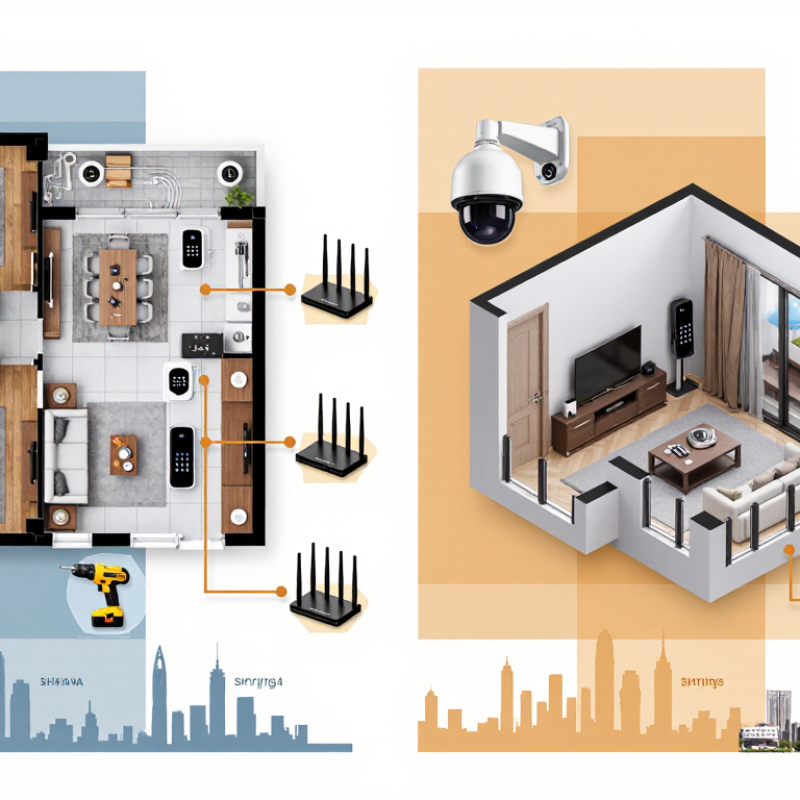
China Best Security Systems: What Is the Installation Cost?
China offers several security system types, and each suits a different property. Video surveillance systems remain common for homes, shops, warehouses, and offices. A basic wired installation often costs CNY 2,000–8,000, including cameras, cabling, storage, and labor. Wireless systems usually cost CNY 1,500–6,000 for smaller spaces. They install faster, but thick concrete walls can weaken signals. Access control systems add keypad, card, or biometric entry. Small offices may spend CNY 5,000–20,000, depending on door numbers and software. Intrusion alarms are simpler. A typical apartment setup may cost CNY 1,000–4,000.
The market is expanding. According to IDC’s China Smart Home Device Market Quarterly Tracking Report, China’s smart home device shipments reached hundreds of millions of units annually in recent years. This growth supports broader demand for connected cameras, sensors, and remote monitoring. MarketsandMarkets also identifies cloud platforms, analytics, and artificial intelligence as major drivers in the global video surveillance market. However, more features increase installation and maintenance costs. A low quotation may exclude network upgrades, data storage, or future service visits.
For larger properties, integrated systems combine surveillance, alarms, intercoms, and access control. Costs can exceed CNY 50,000 when many entrances and cameras are involved. Site conditions matter greatly. Concrete walls, long cable routes, poor lighting, and unstable networks can change the final price. A careful installer should test these conditions before quoting. Even then, estimates are imperfect. The cheapest system is not always the most reliable.
The chart shows indicative installation cost ranges in RMB for a small commercial site in China. Costs include typical equipment, cabling, configuration, and labor, but exclude VAT, major civil works, monitoring subscriptions, and advanced customization. Actual prices vary by site size, equipment specifications, and project complexity.
Security system installation cost depends on more than the equipment box. Labor, building layout, wiring distance, and system complexity often control the final invoice. The U.S. Bureau of Labor Statistics reported a median hourly wage of about $25 for security and fire alarm installers in its May 2023 data. Local labor rates can be higher.
A small office with four cameras may require one working day. A warehouse can need lifts, conduit, network testing, and night-shift labor. Each extra cable route adds time. Door access systems also require careful alignment, power supplies, and emergency-release checks. The 2024 Electronic Security Association industry data highlights recurring demand for integrated video, access control, and monitoring services, which usually increases commissioning work.
Site conditions matter more than many buyers expect. Thick concrete walls, weak Wi-Fi, old electrical panels, and limited ceiling access can create hidden charges. A professional survey should record cable lengths, mounting heights, storage requirements, and backup power needs. I have seen a low equipment quote become expensive after installers discovered asbestos-risk areas or inaccessible ceilings. That estimate looked attractive, but it was incomplete.
Camera resolution also affects storage and network costs. The U.S. Department of Energy reports that commercial buildings consume substantial energy, so always-on equipment should be assessed for power demand. Installation plans should include maintenance access, software updates, and future expansion. A cheaper system may not remain cheaper after repeated service visits.
A reliable installation begins with a site survey, not a shopping list. The installer checks entrances, windows, lighting, network strength, and possible blind spots. Room dimensions and cable routes should be recorded carefully. I have seen neat plans fail because a camera faced strong afternoon sunlight. That small mistake reduced image quality.
The next step is choosing suitable equipment and preparing the installation points. Cameras need stable mounting surfaces and useful viewing angles. Sensors should cover movement paths without reacting to normal household activity. Cables must be protected, labeled, and kept away from avoidable interference. Wireless devices still need signal testing. They are not automatically easier. Installation labor may cost more when walls are thick, wiring is hidden, or multiple floors are involved. A clear written quote should separate equipment, labor, configuration, and future maintenance.
After mounting, the technician connects the system and sets user permissions. Each camera, sensor, alarm, and recording function must be tested separately. Test it again at night. The installer should explain storage duration, access controls, notification settings, and basic fault checks. Installation cost varies with property size, device quantity, cable length, and local service rates. An experienced professional should document these details and provide a handover record. Something may still be missed. A follow-up inspection after several days can reveal weak signals, inconvenient alerts, or viewing angles that seemed correct during installation.
China Best Security Systems: What Is the Installation Cost?
Typical installation costs vary by coverage, wiring, labor, and building structure. Angi’s 2024 cost guide places professional home security installation near US$120–US$600, excluding advanced equipment. Fixr’s 2024 cost data shows complete systems often reaching US$700–US$2,500. Converted roughly, that equals RMB 850–4,300 for installation and RMB 5,000–18,000 for a full system. Local quotations in China may differ.
A basic alarm setup usually costs RMB 1,500–5,000 installed. It may include door sensors, motion detection, a control panel, and a siren. Small camera packages commonly range from RMB 3,000–10,000. Each additional camera increases cabling, storage, and configuration time. A larger wired system can cost RMB 10,000–40,000, especially in villas, warehouses, or multi-floor offices. Labor alone may represent 20%–40% of the project budget, depending on access and cable concealment.
Commercial systems demand more planning. Video storage, access control, emergency alerts, and network upgrades can push costs beyond RMB 50,000. The Security Industry Association’s 2024 industry outlook highlights continued demand for integrated security and connected monitoring. That convenience is not free. I have seen budgets fail when installers ignore wall materials, weak network coverage, or future expansion. A lower quote may look attractive, but unclear maintenance terms can create expensive surprises. Always request an itemized quotation with equipment, labor, testing, training, and annual service separated.
| Security Solution | Typical Scale | Equipment Cost (USD) |
Installation Cost (USD) |
Estimated Total (USD) |
Estimated Total (CNY) |
Common Installation Inclusions |
|---|---|---|---|---|---|---|
| Residential CCTV System | 4–8 cameras, network video recorder, storage, monitor and basic remote viewing | $250–$900 | $120–$450 | $370–$1,350 | ¥2,664–¥9,720 | Camera mounting, cable routing, recorder setup, mobile viewing configuration and basic testing |
| Commercial CCTV System | 16–32 cameras for a shop, office, warehouse or small facility | $1,800–$6,500 | $700–$2,500 | $2,500–$9,000 | ¥18,000–¥64,800 | PoE networking, camera installation, rack or cabinet setup, recording configuration and system commissioning |
| Intrusion Alarm System | Control panel, keypad, 4–8 sensors, siren and basic communication module | $250–$1,000 | $100–$400 | $350–$1,400 | ¥2,520–¥10,080 | Sensor placement, panel programming, alarm testing and user training |
| Single-Door Access Control | One electric lock, reader, controller, exit button and access credentials | $180–$650 | $100–$350 | $280–$1,000 | ¥2,016–¥7,200 | Lock and reader installation, controller wiring, credential setup and access testing |
| Multi-Door Access Control | 4–8 controlled doors with centralized management software | $1,200–$4,500 | $600–$2,000 | $1,800–$6,500 | ¥12,960–¥46,800 | Door hardware, controllers, management software, network connection and administrator training |
| Video Intercom System | One entrance station and 5–20 indoor monitors or mobile endpoints | $450–$2,500 | $250–$1,200 | $700–$3,700 | ¥5,040–¥26,640 | Entrance unit installation, indoor station setup, wiring, door-release integration and testing |
| Smart Lock Installation | One residential or office door with electronic lock and user management | $80–$350 | $40–$150 | $120–$500 | ¥864–¥3,600 | Door compatibility check, lock fitting, user enrollment and operation testing |
| Perimeter Security System | 50–200 meters using infrared beams, magnetic sensors or vibration detection | $600–$3,000 | $400–$1,800 | $1,000–$4,800 | ¥7,200–¥34,560 | Detector alignment, mounting, zone configuration, cabling and alarm linkage testing |
| Parking Access and Barrier System | One entrance and one exit lane with barrier, vehicle detection and control equipment | $1,500–$6,000 | $700–$2,500 | $2,200–$8,500 | ¥15,840–¥61,200 | Barrier installation, loop or sensor setup, access-control configuration and safety testing |
| Integrated Small-Business Security Package | 8–16 cameras, intrusion alarm, one access-controlled door and remote management | $2,000–$7,500 | $900–$3,000 | $2,900–$10,500 | ¥20,880–¥75,600 | System design, installation, integration, commissioning, documentation and basic operator training |
| Cost assumptions: These are indicative installation ranges commonly used for standard projects in China. Estimates exclude major civil works, long-distance trenching, replacement of electrical infrastructure, premium monitoring subscriptions, maintenance contracts and applicable taxes. Prices vary according to city, building layout, cable length, mounting height, project complexity and required certification. CNY conversions use an illustrative rate of US$1 = ¥7.20. | ||||||
Choosing the right security system in China starts with a site assessment, not a product list. Walk through entrances, loading areas, blind corners, and network points. A small apartment may need door sensors, a camera, and smoke detection. A warehouse usually requires wider coverage, access control, backup power, and stronger storage.
Installation costs depend on wiring, ceiling height, network upgrades, and local labor. A basic setup may cost less than a multi-zone commercial project, but cheap equipment can create expensive maintenance later. MarketsandMarkets projects the global physical security market to grow from about 127 billion US dollars in 2024 to 164 billion by 2029. This growth reflects demand for integrated monitoring and access management, not simply more cameras.
Choose an installer who provides a written coverage plan, equipment specifications, labor charges, and warranty terms. Ask how they test night images, false alarms, remote access, and backup recording. NIST guidance emphasizes risk assessment, access control, and regular system maintenance. The installer should explain these controls in practical language. Avoid vague promises.
Check credentials and recent project experience.
Request two or three detailed quotations. Compare total ownership costs, including storage, software, repairs, and training. I have seen buyers focus on camera quantity while ignoring poor lighting and unstable networks. That mistake weakens an otherwise capable system. A professional installer should admit these limitations and propose measurable improvements.
Labor, wiring distance, building layout, and system complexity shape the final price. Concrete walls and inaccessible ceilings add work. Local labor rates also vary.
A basic alarm setup may cost RMB 1,500–5,000 installed. It commonly includes door sensors, motion detection, a control panel, and a siren. Prices differ by location and site conditions.
A small camera package may cost RMB 3,000–10,000. Additional cameras increase cabling, storage, network use, and testing time. More cameras are not always better.
A larger wired system may cost RMB 10,000–40,000. Villas, warehouses, and multi-floor offices usually require more cable and equipment. High ceilings can increase labor costs quickly.
Commercial systems may combine cameras, access control, storage, alerts, and network upgrades. They also require detailed testing and user training. Convenience has a price.
Weak Wi-Fi, old electrical panels, thick walls, and limited ceiling access can create extra charges. Storage, backup power, software updates, and maintenance may also cost more. A low equipment quote can be incomplete.
Request two or three itemized quotations. Separate equipment, labor, testing, training, warranty, and annual service costs. Check whether cable concealment and network upgrades are included. Cheap is sometimes misleading.
The assessment should record entrances, blind corners, loading areas, network points, and cable lengths. It should also review mounting heights, lighting, storage, and backup power. A careful walk-through prevents unpleasant surprises.
Choose an installer with recent project experience and clear technical documents. Ask how they test night images, false alarms, remote access, and backup recording. They should explain weaknesses honestly. I would be cautious about vague promises.
Choosing the right security system in China depends on the property type, protection goals, and available budget. Common options include CCTV surveillance, access control, alarm systems, video doorbells, intercoms, and integrated smart security solutions. When asking, “what is the cost of installing a security system,” consider more than the equipment price. Installation costs are influenced by the number of devices, property size, wiring requirements, network condition, storage method, monitoring features, and the complexity of system integration.
A typical installation begins with a site assessment, followed by security planning, equipment selection, quotation, installation, configuration, testing, and user training. Basic systems may require a modest investment, while larger properties with advanced monitoring and centralized management will cost more. To choose effectively, compare system functions, installation quality, warranty terms, maintenance support, and the installer’s experience. A clear quotation and customized design can help ensure reliable protection while keeping the project within budget.

SMTR SmartLiving