Smart security systems promise safer homes, offices, and warehouses, yet real performance often differs from the sales page. Buyers asking “what are common problems with smart security systems” should look beyond camera resolution and mobile app design. In China, many systems combine cameras, door sensors, alarms, cloud services, and smart locks. Each connection creates another point requiring careful setup and maintenance.
Common problems include unstable Wi-Fi, delayed notifications, false alarms, weak night images, and incompatible devices. A camera may work well near the router, then freeze behind a concrete wall. A sensor battery may fail during a holiday, leaving a window unmonitored. Cloud dependence can also interrupt access when servers, accounts, or network services experience trouble. Privacy settings are sometimes confusing. Users may enable remote viewing without reviewing account permissions or retention periods.
Bruce Schneier, a respected security technologist, has said, “Security is a process, not a product.” That principle matters here. A reliable system needs strong passwords, multi-factor authentication, firmware updates, tested alerts, and documented maintenance. Professional installers should also check blind spots, mounting strength, cable protection, and emergency power. Still, even careful installation cannot remove every weakness. No system is perfect. That is uncomfortable.
This guide examines the most common failures in smart security systems, with practical examples from homes, shops, and commercial sites. It also considers product compatibility, data handling, after-sales support, and everyday usability. Readers should question attractive specifications and test the complete system before trusting it. A quiet app is not proof of safety. Sometimes, the missing alert matters most.
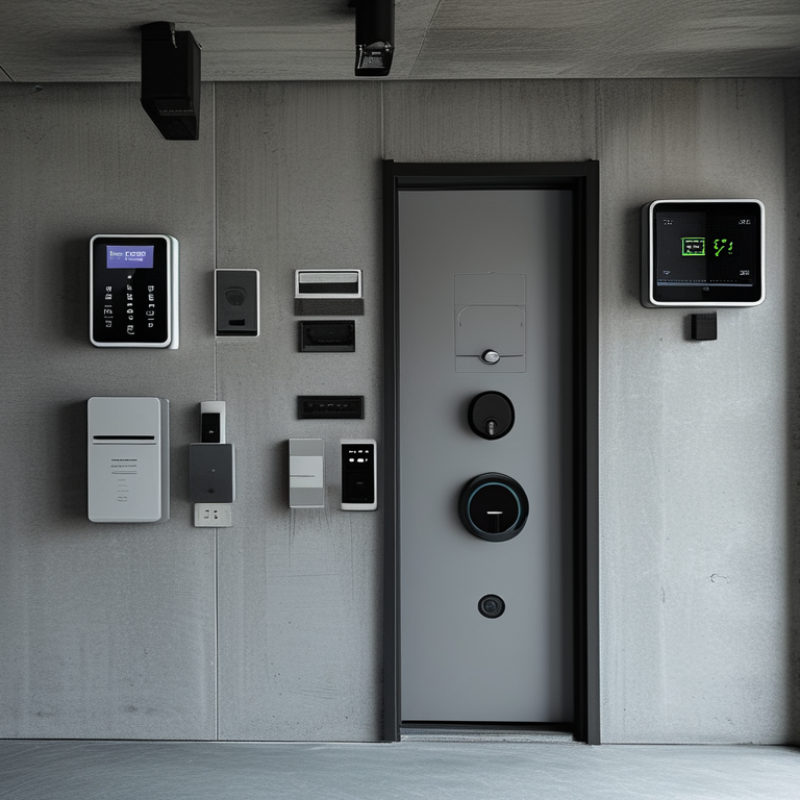
In China, smart security systems usually combine video surveillance, access control, alarms, and environmental sensors. Cameras monitor entrances, parking areas, corridors, and production floors. Access systems use cards, codes, facial recognition, or mobile credentials. Smart locks are common in apartments, offices, and short-term rental properties. Some smaller sites still prefer keypad locks because they are easier to maintain.
Alarm systems protect doors, windows, stairwells, and equipment rooms. Motion, smoke, water-leak, and glass-break sensors can send alerts to a control platform. Intercom systems are widely used in residential compounds, allowing visitors to contact residents before entry. In factories and warehouses, integrated platforms connect cameras with access records and emergency notifications.
This connection sounds efficient. In practice, poor network coverage can delay alerts.
Common problems appear during daily use. Bright sunlight may reduce camera detail, while crowded entrances can create recognition errors. False alarms also frustrate security staff. Different devices may not communicate smoothly, especially after software updates.
I have found that installation quality often matters more than the feature list. A sensor placed near an air vent may trigger repeatedly. A camera without night lighting may record little useful evidence.
Privacy protection, clear permissions, regular maintenance, and local data management need careful attention.
No system is perfect.
Even experienced installers sometimes overlook ordinary user behavior.
Smart security systems combine cameras, sensors, access controls, alarms, and software. Their operating principle is straightforward: sensors collect events, a local hub or cloud service processes them, and users receive alerts. Cameras may detect movement, people, or unusual activity through image analysis. Door and window sensors usually respond to magnetic separation. Smoke, water-leak, and temperature sensors add protection beyond intrusion monitoring.
Reliable systems also use encrypted communication, user authentication, activity logs, and backup power. Many installations connect through Wi-Fi, wired networks, or cellular channels. A local processing option can reduce delay and preserve basic functions during an internet outage. However, every feature depends on careful configuration. Weak passwords, outdated firmware, poor camera angles, and excessive notifications can reduce real protection. More technology is not always better.
In field testing, false alarms often come from pets, changing shadows, loose doors, or unstable network signals. Adjusting detection zones and testing sensors at different times improves accuracy.
Residents should check battery levels, emergency contacts, and recording settings regularly. Privacy also deserves practical attention; cameras should avoid neighboring homes and unnecessary indoor areas. I have found that simple layouts are easier to maintain, although this is not universally true. Some advanced systems still fail when installers ignore lighting, wall materials, or power interruptions. Human review remains important when an alert appears.
Smart security systems often fail for ordinary hardware reasons, not advanced software faults. A loose terminal, weak power adapter, or damaged cable can create random camera restarts. I have seen installers blame the network before checking the wall outlet. That mistake wastes time. Use a voltage tester and inspect every connector before changing settings. Outdoor devices need sealed joints, drip loops, and weather-resistant boxes. Water may enter through a cable that looks completely dry.
Storage problems are also common. A recorder may show a healthy status while its drive produces skipped footage. Check recording continuity, drive temperature, and available capacity during commissioning. Memory cards can wear quickly when cameras record continuously. Do not judge reliability from one successful playback. Test night images, motion triggers, and audio at the actual mounting locations. Small details matter. A bright lamp may wash out faces, while a nearby fan can trigger false alerts.
Installation errors often begin with poor planning. Mounting a camera too high reduces useful facial detail. Mounting it behind glass creates reflections and infrared glare. Wireless sensors may work during setup, then fail after doors and furniture block signals. Document cable routes, device addresses, power readings, and test results. This record supports later maintenance and makes technical claims easier to verify. I still allow extra testing time, because real buildings rarely match the floor plan. That caution is worth keeping.
China’s smart security systems increasingly connect cameras, sensors, and access controllers to cloud platforms. This integration improves visibility but expands the attack surface. Outdated firmware, weak passwords, and unpatched mobile applications can expose live video and device controls. The 2024 Data Breach Investigations Report found that human involvement appeared in 68% of breaches. Configuration mistakes still matter.
Network design is another pressure point. Many installations place cameras and office computers on the same network. One compromised device can then provide a path toward sensitive systems. Segmenting cameras, restricting administrative ports, and monitoring unusual outbound traffic are practical safeguards. The 2024 ENISA Threat Landscape reported that ransomware remained among Europe’s most significant cyber threats. Smart security devices may not store ransom-critical files, but they can become useful entry points.
Data protection requires more than encryption at rest. Operators should define retention periods, audit viewing permissions, and secure video exports with detailed access logs. A 2024 global data breach report placed the average breach cost at 4.88 million US dollars. That figure is not specific to surveillance systems, but it shows the financial weight of weak controls. Password rotation alone is not enough. That assumption is convenient, and wrong. In practice, installers may leave temporary accounts active, while administrators may overlook unused devices. Regular access reviews and independent security testing remain necessary, even when the system appears stable.
China Top Smart Security Systems Common Problems?
Maintenance, Privacy, and Compliance Considerations
Smart security systems often fail through small maintenance gaps, not dramatic hardware breakdowns. Dust on camera lenses can blur faces and trigger unreliable alerts. Weak batteries may interrupt door sensors during overnight operation. Regular checks should include firmware updates, storage capacity, network stability, and alarm testing. Keep a simple maintenance log with dates, faults, and corrective actions. A perfect setup is unlikely.
Privacy requires careful installation and disciplined access control. Cameras should avoid bedrooms, neighboring windows, and unnecessary public areas. Default passwords must be replaced immediately. Access should follow job responsibilities, with separate accounts for installers and daily operators. Review access logs regularly. They reveal unusual viewing activity. Video retention should have a clear business reason and a defined deletion schedule. In practice, many teams keep footage too long because storage feels inexpensive.
Compliance planning should begin before deployment, not after a complaint. Organizations need visible notices, lawful processing records, vendor responsibilities, and documented incident procedures. Cross-border transfers may require additional review under applicable data-protection rules. Contracts should address encryption, breach reporting, subcontractors, and secure deletion. Requirements differ by location and industry, so professional legal advice remains important. One uncomfortable lesson is that convenience can quietly outweigh privacy unless someone challenges the original design.
Maintenance, privacy, and compliance requirements can create operational pressure for smart security systems. The chart compares legally defined response deadlines that may apply when systems process personal data or experience a data breach. Actual obligations depend on jurisdiction, system role, and applicable exemptions.
GDPR personal-data breach notification: 72 hours where notification is required. GDPR data-subject access requests: one month, approximately 720 hours. CCPA/CPRA consumer-request response: 45 days, approximately 1,080 hours, with a possible extension in certain circumstances. These deadlines do not replace maintenance controls such as patching, access reviews, backup testing, and audit-log monitoring.
Sources: GDPR Articles 12 and 33; California Consumer Privacy Act, Cal. Civ. Code §1798.130.
: Common parts include cameras, access controls, alarms, intercoms, and environmental sensors. They monitor entrances, corridors, parking areas, and equipment rooms.
Sensors collect information. A local hub or cloud service analyzes it and sends alerts to authorized users.
Systems may use cards, codes, facial recognition, or mobile credentials. Keypad locks remain practical at smaller sites.
Bright sunlight can hide facial details. Weak night lighting may show only dark shapes. Poor camera angles also reduce useful coverage.
Pets, moving shadows, loose doors, air vents, and unstable network signals can trigger repeated alerts. Annoying, but common.
Local processing can preserve basic functions and reduce delays. However, remote alerts may stop without another communication channel.
They should use strong authentication, update firmware, separate camera networks, and restrict administrative access. Temporary accounts need removal.
Cameras should avoid neighboring homes and unnecessary indoor areas. Operators should set retention periods and review viewing permissions regularly.
Check batteries, emergency contacts, recording settings, detection zones, and sensor operation. Test them in daylight and darkness.
Not necessarily. Simple layouts are often easier to maintain, although advanced systems can help when installed carefully. Human review still matters.
Smart security systems in China include network cameras, smart access control, alarm sensors, video intercoms, and integrated monitoring platforms. These systems typically combine cameras, sensors, communication networks, cloud or local storage, and software that detects events and sends alerts. However, what are common problems with smart security systems? Hardware may suffer from poor installation, unstable power supplies, weak wireless signals, damaged sensors, limited storage, or compatibility issues between different devices. Incorrect positioning can also create blind spots and reduce detection accuracy.
Software and network challenges include delayed notifications, system crashes, outdated firmware, insufficient bandwidth, and insecure account settings. Data protection is another important concern, since recorded video and personal information should be securely stored, accessed, and managed. Regular maintenance, password updates, backup planning, equipment testing, and timely repairs can improve reliability. Users should also clearly define monitoring areas, protect privacy, provide appropriate notices, and follow applicable safety, data protection, and operational requirements.

SMTR SmartLiving