How to Ensure Data Security in Smart Access Systems?

Time:2026-06-19 Author:Mason
0%

In recent years, the rise of smart access systems has transformed how we secure our environments. However, ensuring data security in these systems presents unique challenges. According to Dr. Emily Carter, a leading expert in cybersecurity, "We must be proactive in our approach to how to ensure data security in smart access systems." Her words emphasize the need for diligence and innovative strategies.

Real-world scenarios show that vulnerabilities can arise from overlooked areas. For instance, a simple default password can become a gateway for unauthorized access. Companies must prioritize regular updates and robust authentication measures. Yet, too often, organizations underestimate the complexity of these tasks. Cyber threats are ever-evolving, requiring constant vigilance.

Data security in smart access systems is not just a technical issue; it’s a mindset. Stakeholders must engage in thorough training and awareness. Frequent audits can reveal weaknesses before they become critical. Organizations that neglect this aspect may face severe consequences. The path to robust security is not simple, but it's essential.
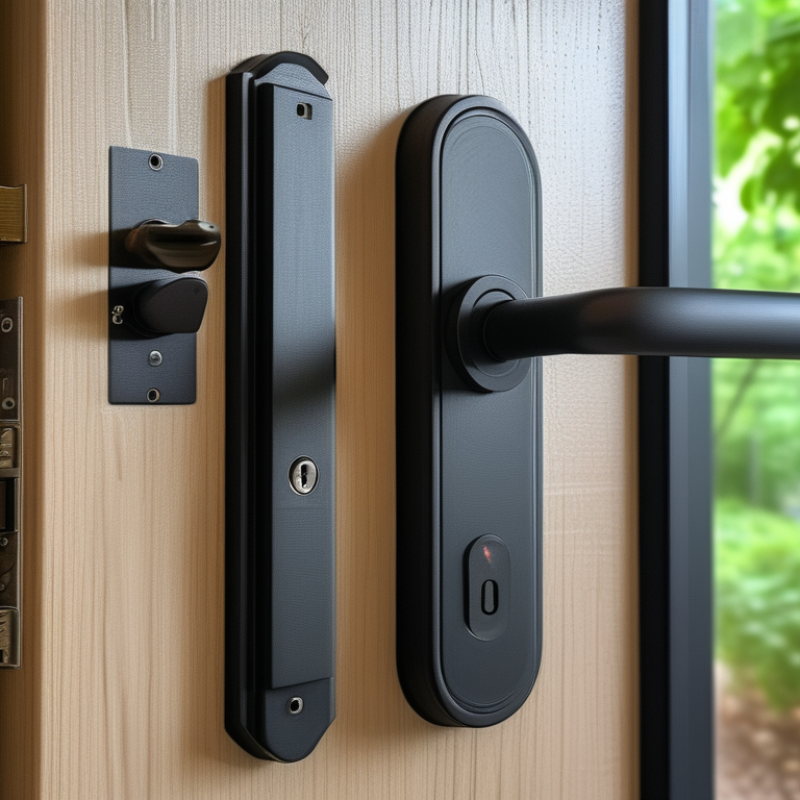
How to Ensure Data Security in Smart Access Systems?

Understanding Smart Access Systems and Their Vulnerabilities

Smart access systems have transformed the way we secure our environments. However, they are not without their vulnerabilities. According to a 2022 Cybersecurity report by CyberEdge, 68% of organizations experienced an attempted breach involving smart access technologies. Hackers often exploit weaknesses in software or hardware components. Many systems allow remote access, which further exposes them to potential threats.

Understanding the vulnerabilities in these systems is crucial. A 2023 study published by Veritas indicated that 49% of businesses do not conduct regular security assessments on their smart access solutions. This negligence creates a perfect breeding ground for cyberattacks. When systems lack proper encryption or outdated firmware, they become easy targets. Users often overlook the importance of monitoring access logs, leading to unnoticed breaches over time.

Proactive security measures can mitigate risks. Regular updates and employee training on recognizing phishing attempts are essential. A recent survey revealed that 72% of breaches could have been prevented with better user education. However, many organizations still resist investing in such training, which raises questions about their commitment to security. Balancing convenience and security remains a persistent challenge in the evolution of smart access systems.

Importance of Data Security in Smart Access Systems

Data security is crucial in smart access systems. As more organizations rely on digital platforms for access control, the risks increase. Cyber threats can compromise sensitive information. Unauthorized access can lead to significant financial and reputational damage. Ensuring the integrity of these systems protects not only data but also user trust.

Protecting data requires ongoing vigilance. Implementing strong encryption protocols is one step. Regular security audits can reveal vulnerabilities. Additionally, user training is vital. Employees must understand the importance of secure practices. Neglecting these aspects can expose organizations to risks.

While technologies evolve, threats do too. Companies need to stay informed about emerging trends. Collaboration with cybersecurity experts can be beneficial. They provide guidance and insights that enhance security measures. A proactive approach fosters a culture of security awareness vital in today’s landscape.

Best Practices for Encrypting Data in Smart Access Solutions

Smart access systems are increasingly reliant on data security, especially when it comes to user information. According to the Cybersecurity & Infrastructure Security Agency, about 60% of data breaches occur due to inadequate encryption practices. Encrypting data is not just a precaution; it's essential for protecting sensitive information.

Best practices in encryption include using advanced algorithms, such as AES-256. This standard is recognized for providing robust security. Furthermore, data should be encrypted both at rest and in transit. This dual-layer approach ensures that unauthorized parties cannot access information easily. However, many organizations still overlook end-to-end encryption, leaving gaps in their security.

Regular audits and updates to encryption protocols are crucial as well. A report from the Ponemon Institute revealed that nearly 75% of organizations face challenges in maintaining their encryption frameworks. Effective training for employees about data handling also helps reinforce security practices. While implementing these measures may seem complex, the cost of a data breach far outweighs the effort required.

Implementing Access Control Measures for Enhanced Security

Smart access systems are becoming increasingly common in various organizations. Implementing effective access control measures is essential for enhanced security. These measures help protect sensitive data from unauthorized access.

Tips for establishing strong access control include regular audits of access rights. Review who has access to what data regularly. This helps identify any unnecessary permissions that could lead to security risks. Educate employees about security policies. Knowledgeable staff are less likely to make errors that compromise data integrity.

Consider using multi-factor authentication. This adds extra layers of security beyond a simple password. It can deter unauthorized access effectively. However, it is also crucial to monitor and maintain these systems actively. Regular updates ensure vulnerabilities are patched. Even with the best measures, systems can still have weaknesses that need addressing.

How to Ensure Data Security in Smart Access Systems? - Implementing Access Control Measures for Enhanced Security
Access Control Measure Description Importance Level Implementation Status
Biometric Authentication Utilizes unique biological traits for secure access. High Implemented
Two-Factor Authentication (2FA) Requires two forms of verification before granting access. High Ongoing
Access Logs Records who accessed the system and when. Medium Implemented
Encryption Secures data by converting it into a coded format. High Planned
Role-Based Access Control (RBAC) Grants access based on user's role within an organization. Medium Implemented
Regular Security Audits Periodic evaluations of security measures and access controls. High Ongoing

Regular Security Audits and Updates in Smart Access Systems

Regular security audits in smart access systems play a crucial role in safeguarding sensitive information. These audits allow organizations to identify vulnerabilities and rectify them proactively. Over time, systems may become outdated, exposing them to threats. By regularly assessing these systems, businesses can stay ahead of potential risks.

Updates are equally important. Software patches are essential for fixing known vulnerabilities. Yet, many organizations delay these updates. This creates a significant security gap. A proactive approach requires scheduling regular updates as part of the overall security strategy. Timely implementation of these updates can drastically reduce risks.

Despite these efforts, challenges remain. Teams may struggle to allocate adequate resources for audits and updates. Additionally, human error can lead to overlooked issues. Continuous training for staff is essential to maintain awareness of security best practices.

Data Security Trends in Smart Access Systems

This bar chart illustrates the effectiveness of various security measures implemented in smart access systems. Regular security audits and software updates show the highest effectiveness, highlighting the importance of ongoing vigilance in maintaining data security.

FAQS

: Why is data encryption important in smart access systems?

: Data encryption protects sensitive user information from unauthorized access. Without it, breaches are more likely.

What is a recommended encryption standard?

Using advanced algorithms like AES-256 ensures strong security for data.

Should data be encrypted in transit, at rest, or both?

Data should be encrypted both at rest and in transit for maximum protection.

What is a common oversight in encryption practices?

Many organizations neglect end-to-end encryption, creating security gaps.

How often should security audits be conducted?

Regular audits are essential to identify vulnerabilities and enhance security.

What challenges do organizations face with encryption?

A significant number struggle to maintain their encryption frameworks due to various issues.

Why are software updates critical for security?

Updates fix known vulnerabilities. Delays in applying them can create large security gaps.

How can organizations ensure their staff is aware of security practices?

Continuous training helps reinforce the importance of security best practices among employees.

Are the efforts to maintain security worth it?

Yes, the cost of a data breach far outweighs the effort required to ensure data security.

What risks arise from human error in security practices?

Oversights due to human error can lead to significant vulnerabilities being overlooked.

Conclusion

In the evolving landscape of technology, understanding how to ensure data security in smart access systems is crucial. These systems, while enhancing convenience, expose organizations to various vulnerabilities that can jeopardize sensitive information. It is imperative to prioritize data security through best practices such as robust encryption techniques, which can protect data both in transit and at rest.

Moreover, implementing stringent access control measures is essential to limit data exposure and ensure that only authorized personnel can access sensitive information. Regular security audits and timely updates to these systems further strengthen overall security, helping organizations stay ahead of potential threats. By addressing these critical components, businesses can create a secure environment that safeguards their data against emerging risks associated with smart access technologies.

Mason

Mason

Mason is a seasoned marketing professional with a deep expertise in the company's offerings and a passion for driving brand awareness. With a strong background in digital marketing strategies, he has an innate ability to connect with diverse audiences and effectively communicate product benefits.......