In today's world, knowing how to monitor home security remotely is essential for peace of mind. The rise of smart home technology offers new ways to keep your property safe. Yet, many homeowners struggle to effectively utilize these resources.
Home security systems can provide alerts and real-time updates. However, without proper setup, these systems may become overwhelming or underutilized. You might find a flood of notifications, but not know which ones truly matter. The key lies in understanding the balance between connectivity and simplicity.
When adopting remote monitoring tools, consider the unique needs of your household. Engaging with these technologies may require a learning curve. Nonetheless, the benefits are significant. Effective remote monitoring can deter intruders and reduce anxiety, making it a worthy investment in your home’s security.
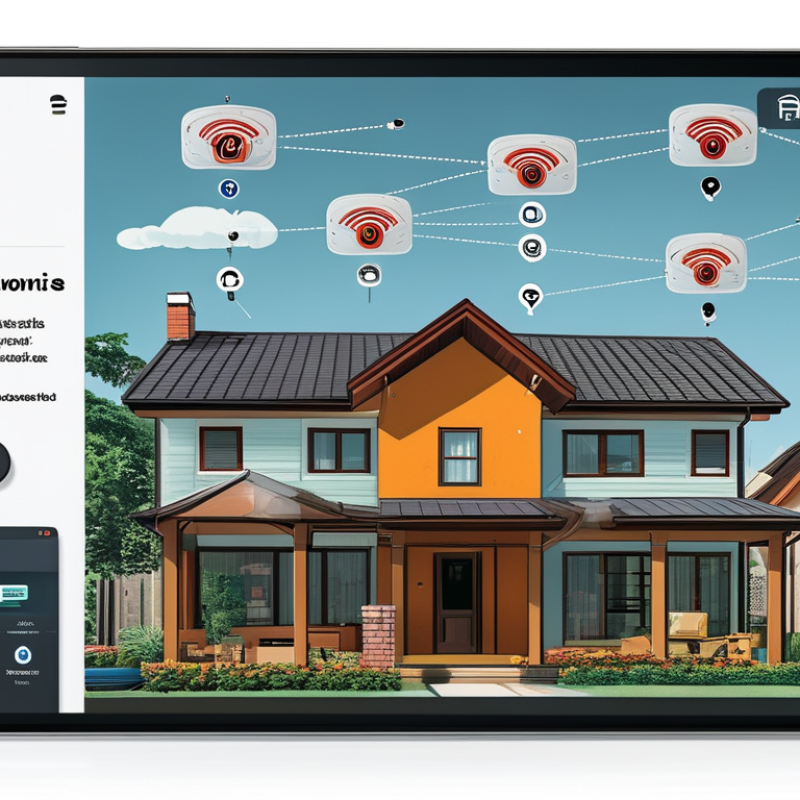
Remote home security systems have become essential in today’s world. They offer homeowners peace of mind, allowing them to monitor their properties from anywhere. With a smartphone or tablet, you can view live feeds, receive alerts, and even interact with visitors at your door. These features enhance safety and deter potential intruders.
However, understanding these systems is crucial for effective use. Not all systems are created equal. Some may lack essential features like night vision or motion detection. As homeowners, it's important to assess what you need. Basic solutions might suffice for some, while others may require advanced options for enhanced security. Regularly updating software ensures ongoing protection. Yet, some might forget this step, leaving vulnerabilities in their systems.
Another area often overlooked is user education. Familiarizing yourself with the system's functionalities can prevent mishaps. Many users set up cameras but forget to check their angles or the quality of footage. Mistakes can happen, and that’s natural. A proactive approach will lead to better results. Becoming well-informed empowers homeowners to make educated decisions about their security needs.
When selecting remote monitoring technology for home security, several key features stand out. A high-resolution video feed is essential. This allows homeowners to see details clearly during live feeds and recordings. Look for night vision capabilities. Many incidents occur at night, so being able to see clearly in low light is crucial. Motion detection alerts can notify you in real-time about unusual activities. This feature allows for quick responses to potential threats.
User-friendly mobile applications are also important. They give you control from anywhere. Notifications should be customizable, letting you adjust alerts to your preferences. Moreover, two-way audio is a valuable tool. It allows communication with anyone on your property. This can deter intruders or assist visitors.
Consider the reliability of cloud storage options. You want to ensure your footage is safe and accessible later. Downtime can compromise your security. Think about integrating smart home technology. This can create a seamless security experience. But remember, technology isn’t foolproof. Regular updates and system checks are necessary to maintain your security's effectiveness. Reflecting on your choices helps you stay better prepared.
This bar chart illustrates the key features to look for in remote monitoring technology for home security. Each feature is rated on its importance level for effective home surveillance, highlighting the significance of live video streaming and motion detection as top priorities.
Monitoring home security remotely has become essential for many homeowners. Utilizing mobile apps brings real-time security alerts and updates to your fingertips. According to a recent study, 72% of homeowners prefer using smartphone apps for home security management. With immediate notifications, you can respond promptly to any unusual activity. It's a practical solution to stay connected with your home, even when you're miles away.
Here are some tips for effective remote monitoring. First, ensure your security camera system integrates with a reliable mobile app. Choose systems that allow you to view live feeds and receive alerts for motion detection. This feature is crucial; around 60% of break-ins occur during the daytime when homeowners are not present. Second, set up custom notifications for specific events. Not every notification demands your attention. Tailoring alerts helps prioritize issues that require your immediate response.
Finally, regularly update your app and firmware to enhance security. Weak software can expose you to threats. An alarming report indicated that 30% of reported break-ins occurred due to outdated security systems. It’s vital to stay vigilant and proactive. Reflect on how often you check your app; if it's infrequent, your security might be at risk. Remember, a little effort in monitoring can go a long way in safeguarding your home.
| Tip Number | Tip Description | Recommended Action |
|---|---|---|
| 1 | Use a reliable mobile app for managing security settings. | Download security apps compatible with your system. |
| 2 | Set up real-time alerts for any unusual activity. | Enable push notifications in the app settings. |
| 3 | Ensure cameras have live streaming capabilities. | Test live view feature regularly through the app. |
| 4 | Keep your software up to date to avoid vulnerabilities. | Schedule regular updates for your apps and devices. |
| 5 | Utilize geofencing to receive alerts based on your location. | Set up boundaries in the mobile app settings. |
| 6 | Incorporate motion detectors that send alerts to your phone. | Configure motion sensitivity levels in the app. |
| 7 | Monitor door and window sensors for entry alerts. | Check the app for sensor status regularly. |
| 8 | Review security camera footage frequently. | Use the app to access recorded videos. |
| 9 | Utilize two-factor authentication for added security. | Enable this feature in the app settings. |
| 10 | Regularly change passwords for your security accounts. | Create a schedule for updating passwords. |
The rise of smart home devices has transformed home security. A report from MarketsandMarkets suggests that the smart home security market will grow to $79 billion by 2025. This growth indicates a shift in how homeowners manage their security. Innovative devices like smart cameras and doorbell systems now allow real-time monitoring. However, users must remain vigilant about potential vulnerabilities inherent in networked devices.
Integrating various smart devices can significantly enhance security. For example, smart cameras can connect to motion sensors, providing immediate alerts. Nearly 70% of homeowners report feeling more secure with these integrated systems. Nonetheless, it’s vital to ensure that all devices have strong, unique passwords. Weak security protocols can undermine the effectiveness of these systems.
While remote monitoring offers convenience, it also comes with responsibilities. Users should routinely check software updates and actively manage their device settings. A study by Statista revealed that 30% of security incidents arise from inadequate user knowledge. This stat highlights the importance of continuous education. It's crucial for users to understand how their smart devices operate and the potential risks involved.
Home security analytics can significantly enhance safety. By examining data, homeowners gain insight into potential vulnerabilities. Sensors and cameras collect surveillance footage, showcasing patterns over time. These patterns reveal the times you are most at risk.
It's essential to recognize that data alone isn't foolproof. Analyzing security analytics requires a critical eye. Sometimes, false alarms can skew the data, leading to unnecessary panic. Understanding your unique situation helps in contextualizing the information gathered.
Effective monitoring combines data with instinct. Be aware of not just numbers but the stories they tell. Engage with technology, but do not solely rely on it. It's vital to make informed decisions based on a comprehensive view, not just statistics. Your home's safety is ultimately a blend of technology and human judgment.
: They are systems that let homeowners monitor properties from anywhere, using a smartphone or tablet.
Not all systems offer the same features. Knowing your needs helps you choose the right system.
Look for high-resolution video, night vision, motion detection alerts, and user-friendly mobile applications.
They provide real-time alerts, allowing immediate responses to unusual activities, keeping you connected.
Weak software can create vulnerabilities, potentially leading to security breaches.
Choose reliable cloud storage options to secure and retain your footage for later access.
Users often forget to check camera angles or footage quality after setup, risking ineffective monitoring.
Set up specific alerts for particular events, allowing you to prioritize attention on critical issues.
Regular reflection helps you stay prepared and identify areas where improvement is needed.
Regularly update your app and software, check your security system often, and stay proactive.
Monitoring home security remotely is crucial in today’s digital age, offering peace of mind and enhanced protection. To effectively understand how to monitor home security remotely, it's important to recognize the significance of remote home security systems, which provide homeowners with the ability to oversee their property from anywhere. Key features to look for in remote monitoring technology include high-definition video feeds, motion detection, and secure data storage options.
Utilizing mobile apps plays an essential role in this process, allowing for real-time security alerts and updates directly to your smartphone or device. Additionally, integrating smart home devices can significantly bolster security surveillance, creating a cohesive system that works in unison. Lastly, analyzing security analytics and data not only helps in identifying potential vulnerabilities but also leads to improved home protection strategies, making remote monitoring an indispensable aspect of modern home security management.

SMTR SmartLiving