When discussing "what are common problems with smart security systems," it’s crucial to consult industry experts. One such expert is Dr. Emily Carter, a noted security technology researcher. She once stated, "Understanding the pitfalls of smart systems is vital for effective home security."
Smart security systems are becoming increasingly popular. However, many users encounter issues that compromise their effectiveness. Connectivity failures are a frequent problem, disrupting communications between devices. This can lead to missed alerts or delayed responses during emergencies. Additionally, system compatibility can pose challenges. Many devices struggle to integrate with existing technologies.
Another common problem is the privacy concern. Many users worry about data breaches. These can lead to unauthorized access to personal information. In a world increasingly reliant on technology, it's vital to understand and address these risks. Smart security should enhance safety, not create additional vulnerabilities. By recognizing these challenges, homeowners can make informed decisions. This enables them to choose reliable systems that truly meet their security needs.
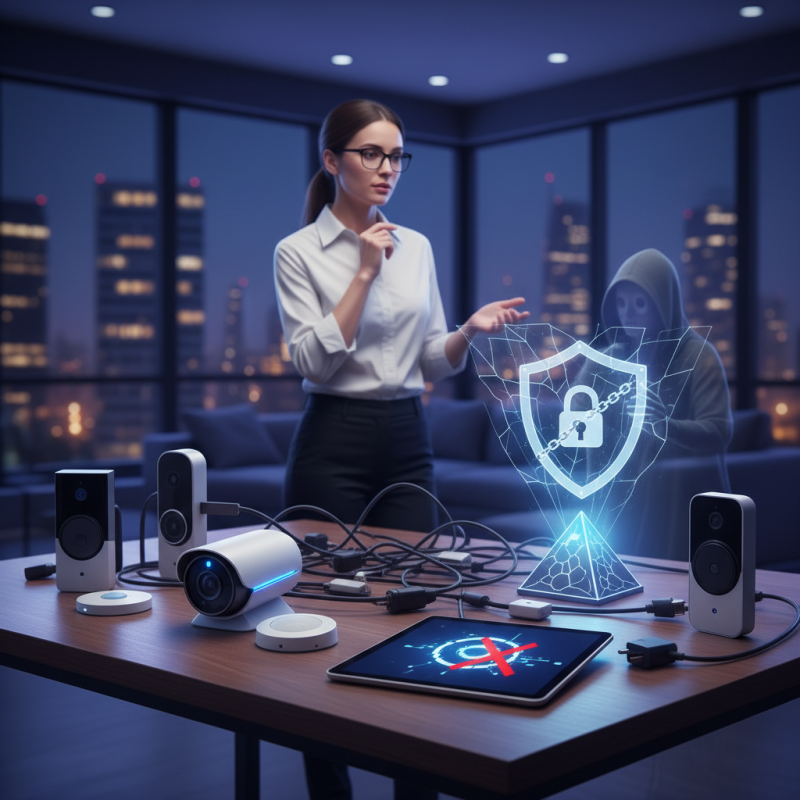
Smart security systems have transformed how we protect our homes and businesses. These systems integrate various technologies, including cameras, motion sensors, and alarms. With real-time monitoring capabilities, they offer homeowners peace of mind. Many systems provide smartphone access, making it easy to check on properties anytime, anywhere.
However, the effectiveness of these systems can be undermined by common issues. Poor installation may lead to blind spots that critical sensors miss. Additionally, weak Wi-Fi signals can hinder remote monitoring. Users often overlook regular updates, leaving systems vulnerable to cyber threats.
Not all users fully grasp how to customize their security settings. Defaults may not suit everyone’s needs, leaving gaps in protection. Regularly assessing and adjusting these systems is important. Overlooking these factors can lead to false confidence in security measures. Understanding these nuances is crucial to achieving optimal protection.
Smart security systems offer convenience and peace of mind, but they often come with common technical issues. These include connectivity problems, false alarms, and system malfunctions. Connectivity can be disrupted by weak Wi-Fi signals or interference from other devices. Ensuring robust internet strength is vital for smooth operation.
False alarms can be frustrating for users and may lead to emergency services being dispatched unnecessarily. They often result from motion sensors detecting pets or environmental changes. Regularly adjusting sensor sensitivity can help mitigate this issue.
It’s essential to keep your system updated to minimize problems. Software updates can fix bugs and improve functionality. Consider creating a maintenance schedule to check your devices regularly. Don’t overlook the user manual; it contains valuable troubleshooting tips. Seeking professional assistance can be effective for ongoing issues. Regular self-assessment of your system's performance is key to identifying persistent problems.
| Issue | Description | Potential Causes | Solutions |
|---|---|---|---|
| Connectivity Issues | Problems with connecting to Wi-Fi, leading to disruptions in service. | Weak signal, incorrect Wi-Fi password, router malfunctions. | Check Wi-Fi strength, verify password, restart the router. |
| False Alarms | System triggers alerts without any real threats. | Sensitivity settings too high, pets triggering sensors. | Adjust sensitivity settings, install pet-friendly sensors. |
| Power Failure | Security system fails during power outages. | Lack of backup power supply, battery issues. | Implement UPS or battery backup solutions. |
| Software Glitches | Problems due to bugs or outdated software. | Outdated firmware, bugs in the application. | Regular updates, reset the system as needed. |
| Camera Malfunctions | Cameras fail to record or stream video. | Lens obstruction, software issues, poor connectivity. | Clean lenses, reboot devices, check connections. |
User-related problems and misconfigurations are significant issues for smart security systems. A 2023 report by Cybersecurity Ventures revealed that 80% of data breaches are linked to human error. This is alarming, as even minor missteps can compromise security. For example, users may set weak passwords or fail to enable two-factor authentication. These oversights leave systems vulnerable to attacks.
Another common issue arises from system configuration. Many users overlook the need for regular updates. According to a survey by the National Cyber Security Centre, 60% of individuals do not apply software updates promptly. This negligence allows attackers to exploit outdated software, which could have been easily protected. Additionally, incorrect setting adjustments can lead to false alerts or non-responsive systems. Users might ignore user manuals or configuration prompts, resulting in ineffective security measures.
These challenges highlight the need for enhanced user training and awareness. A proactive approach can significantly improve system effectiveness. Regular workshops and better user guides can empower individuals to make informed choices. Educating users about the importance of security protocols can bridge the gap between advanced technology and user competency.
Smart security systems face various physical challenges that can significantly impact their effectiveness. One common issue is environmental factors. Extreme weather conditions, such as heavy rain or snow, can obstruct sensors and cameras. According to a report by the Security Industry Association, 30% of security systems fail to perform adequately under adverse weather.
Another physical challenge is installation placement. Devices must be positioned correctly to maximize their coverage. Misaligned cameras can create blind spots, leaving areas unmonitored. Nearly 25% of users report issues related to device placement affecting their system's efficacy.
Tip: Assess your environment before installation. Identify potential obstacles, like trees or walls, which might hinder performance.
Additionally, power supply issues can disrupt functionality. Many devices rely on batteries that may fail at critical moments. Constant monitoring of power levels is essential to avoid malfunctions.
Tip: Schedule regular maintenance checks. Addressing minor issues promptly can prevent major breakdowns later.
Ultimately, while smart security systems provide many advancements, they are not foolproof. A thoughtful approach to addressing these physical challenges is essential for optimizing system reliability.
Smart security systems are growing in popularity, but they often come with challenges. To ensure these devices function effectively, regular maintenance and troubleshooting are crucial. According to a recent industry report, nearly 30% of homeowners experience issues with their smart security systems. This can lead to protection gaps that may put home safety at risk.
One common problem is connectivity issues. Many devices rely on Wi-Fi, which can be unstable. If your camera regularly disconnects, consider repositioning your router. Tips: Use a Wi-Fi extender for better coverage. Keep your devices updated to avoid software bugs. Regularly check your internet speed, as a slow connection can affect performance.
Another area to monitor is battery life for wireless devices. Many homeowners overlook this detail. A low battery can render a security camera or sensor ineffective. Tips: Schedule reminders to check batteries every few months. Replace batteries promptly to maintain functionality. Also, invest in devices that offer low-battery notifications for better reliability.
Regularly reviewing system alerts is essential. Many users ignore these notifications, leading to unresolved issues. Ensure you respond to alerts quickly. This not only secures your home but also enhances your overall peace of mind. By staying proactive, you can enjoy the full benefits of your smart security devices.
: Common issues include connectivity problems, false alarms, and system malfunctions.
Ensure a strong Wi-Fi signal. Reposition your router or use a Wi-Fi extender for better coverage.
False alarms may result from pets triggering motion sensors or environmental changes. Adjusting sensor sensitivity can help.
Regular updates fix bugs and improve functionality. They enhance overall performance and security.
Check batteries every few months. Low batteries can make your devices ineffective.
Respond to alerts promptly. Ignoring them can lead to unresolved issues and affect your security.
Consider creating a maintenance schedule. Regular assessments can help identify and fix persistent problems.
The user manual provides valuable troubleshooting tips. Don't overlook it for guidance on resolving issues.
Some issues can be handled personally. However, seek professional help for ongoing or complex problems.
Nearly 30% of homeowners experience issues, which can create protection gaps. Regular maintenance helps avoid this.
Smart security systems are designed to enhance home safety through advanced technology, but they are not without their challenges. Common problems with smart security systems can stem from technical issues, such as connectivity problems, software glitches, or hardware malfunctions. Users may also encounter misconfigurations that arise from misunderstanding the setup process or failing to keep devices updated.
Additionally, physical challenges can impact the effectiveness of these systems, including poor placement of cameras or sensors that obstruct their functionality. To address these issues, it's essential to follow best practices for troubleshooting and maintaining smart security devices, such as regular system updates, proper installation, and routine checks to ensure everything is functioning as intended. Being aware of what are common problems with smart security systems can assist users in effectively navigating and mitigating these challenges.

SMTR SmartLiving