As we approach 2026, the importance of home security is more pronounced than ever. Recent studies show that 1 in 4 homes are at risk of burglary. Understanding how to improve home security with smart devices is vital for homeowners. Smart technology can enhance protection but also comes with challenges.
Connected devices, like cameras and alarms, can provide real-time alerts. According to a report by J.D. Power, homes with smart security solutions are 50% less likely to experience a break-in. However, reliance on tech raises concerns. Cybersecurity threats can compromise these devices. Homeowners must consider these risks when updating their security systems.
Innovation is key. The market for smart home security is projected to grow significantly, reaching $78.9 billion by 2026. This growth offers many options but can overwhelm homeowners. A thoughtful approach is necessary to ensure these devices serve their purpose effectively. The future of home security will rely on balancing convenience, reliability, and safety.
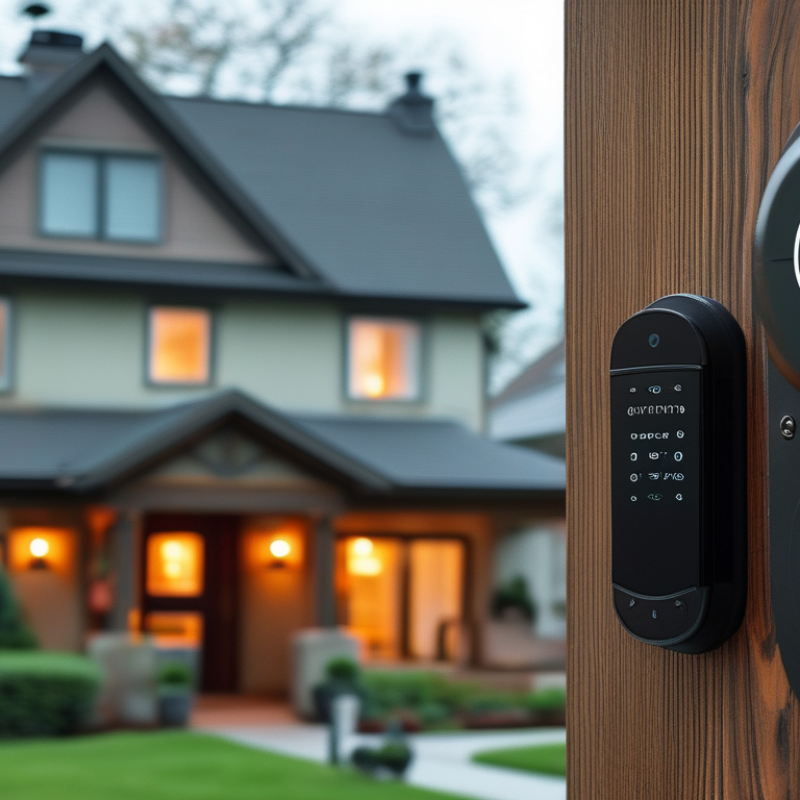
In 2026, smart home security devices have gained significant traction. Statistics show that about 60% of households now utilize smart technology for security. This rapid adoption stems from their convenience and innovation. Smart cameras, alarms, and locks are changing how we think about home safety. They offer real-time monitoring and alerts at our fingertips.
Many users appreciate the simplicity of these devices. However, there are concerns as well. Data breaches and hacking incidents are not uncommon. Loss of privacy can occur when devices collect personal information. As families embrace this technology, a balance must be found between security and personal safety.
Education is key in navigating this landscape. Users must understand the potential risks and advantages of smart devices. Regular updates and strong passwords are essential for protection. In the end, while smart home security devices present remarkable benefits, they also require careful consideration and awareness by consumers.
| Device Type | Adoption Rate (%) | Avg. Cost (USD) | User Satisfaction (%) |
|---|---|---|---|
| Smart Doorbell | 45% | 150 | 88% |
| Smart Lock | 35% | 200 | 85% |
| Security Camera | 50% | 250 | 90% |
| Smart Alarm System | 30% | 300 | 80% |
| Smart Home Hub | 25% | 100 | 82% |
Smart surveillance cameras have revolutionized home security, providing homeowners with advanced tools for monitoring their property. These devices enhance visibility around the home, allowing for real-time monitoring via smartphones and tablets. With features like night vision and motion detection, they capture critical moments, augmenting one’s ability to respond quickly to unusual activities.
Integrating these cameras into an existing security system can be a game changer. Homeowners can access live feeds from anywhere, enhancing their peace of mind. However, the selection process can be overwhelming. Not all cameras provide the same level of quality or reliability. It's important to consider factors like resolution, connectivity, and storage options. Poor choices can lead to blind spots that may compromise security.
Despite the benefits, reliance on technology is not foolproof. Systems can fail or be hacked if their security measures are inadequate. Regular updates and strong passwords are essential. Reflecting on past experiences can help homeowners improve their security setup, ensuring it remains robust against evolving threats. Investing in smart devices is a step forward, but ongoing diligence is crucial for maintaining safety.
Smart locks and access control systems have revolutionized home security in recent years. According to a report by Allied Market Research, the smart lock market is expected to reach $2.6 billion by 2026. These devices offer unparalleled convenience. Homeowners can allow or deny access from anywhere in the world. However, reliance on technology may lead to vulnerabilities, such as potential hacking.
Investing in smart locks can significantly reduce unauthorized access. Many smart locks feature fingerprint scanning and secure keyless entry. Data from Statista reveals that 70% of smart lock users feel more secure with these measures. Despite their benefits, some challenges persist. For instance, users must keep software updated to prevent security breaches. Additionally, issues like battery life can arise, leaving homeowners locked out.
Effective access control goes beyond smart locks. Integrating these devices with a comprehensive home security system enhances protection. Reports indicate that homes with smart security systems are three times less likely to experience a break-in. Continuous monitoring and alerts ensure homeowners remain informed. Yet, while technology improves security, it's crucial to maintain awareness of potential risks. Balancing convenience and safety remains a responsibility for every homeowner.
Smart alarms and sensors stand as crucial elements in enhancing home safety networks. In 2026, the integration of these devices goes beyond mere convenience. They create an interconnected web of security, providing real-time alerts and monitoring. A smart alarm can detect intrusions, while sensors identify unusual movements or environmental changes. These devices work together, creating a layered defense against potential threats.
Consider a scenario: a window breaks in the night. A smart alarm immediately activates, and sensors send alerts to your smartphone. This immediate response curtails risks before they escalate. Not all systems are infallible, though. False alarms can occur, often due to pets or environmental noise. Homeowners must refine their settings and ensure sensors fit their lifestyles. Additionally, maintenance is key. Regular updates and checks can enhance reliability.
As technology evolves, so do the methods of intrusion. Smart systems adapt by learning patterns in daily life, which also means they may sometimes misinterpret unusual activities. Homeowners need to stay vigilant and assess their setups. An over-reliance on technology without a backup plan can invite complacency. Therefore, while smart alarms and sensors significantly improve home security, active participation in home safety remains essential.
As smart home devices gain popularity, cybersecurity becomes a crucial concern. Recent studies show that 45% of consumers worry about their smart devices being hacked. These worries are valid, as a significant number of security breaches have occurred in smart homes. For example, a 2023 report from the Cybersecurity & Infrastructure Security Agency stated that 70% of connected devices have vulnerabilities.
To enhance protection, users must stay informed about security updates. Many devices require regular firmware updates that patch security flaws. Failing to install these updates can leave your network open to attacks. It is essential to regularly change default passwords on new devices as 80% of breaches exploit weak credentials.
Using a separate network for smart devices can add another layer of security. This strategy limits potential damage if one device is compromised. Cybersecurity experts recommend network segmentation, which creates boundaries between devices. Still, many homeowners do not implement these measures, leaving them exposed. The gap between awareness and action reveals a need for better education on smart home security practices.
: Smart locks are advanced locking systems that offer keyless entry. They can be controlled from anywhere via a smartphone.
They reduce unauthorized access and often feature fingerprint scanning, increasing safety for homeowners.
Users need to keep software updated to avoid security breaches. Outdated systems can be vulnerable.
A dead battery can lock homeowners out, highlighting the need for regular maintenance and checks.
Smart alarms detect intrusions and alert homeowners in real time. They are part of a layered security system.
False alarms may occur due to pets or noise. Homeowners should adjust settings to fit their lifestyle.
Regular updates and checks enhance reliability. Neglect can lead to vulnerabilities and reduced effectiveness.
Yes, as they learn daily patterns, they may misinterpret unusual situations, necessitating homeowner vigilance.
Over-reliance can lead to complacency. A backup plan is essential for effective home safety.
It's important to stay aware of potential risks while enjoying the benefits of smart security technology.
In 2026, the integration of smart devices has revolutionized home security, offering homeowners innovative solutions to enhance safety. By understanding how to improve home security with smart devices, individuals can leverage smart surveillance cameras to gain real-time visibility of their properties, ensuring constant monitoring. Additionally, smart locks and access control systems offer a higher level of security by allowing homeowners to manage access remotely, reducing the risk of unauthorized entry.
The importance of smart alarms and sensors cannot be overlooked, as they create a network of safety that alerts homeowners to potential threats. Furthermore, with the rise of smart technology, staying informed about trends in cybersecurity is essential to protect personal data from potential breaches. These advancements collectively empower homeowners to create a safer and more secure living environment in an increasingly connected world.

SMTR SmartLiving