When exploring security systems, one often encounters intercoms and access control. But what is the difference between intercom and access control? Understanding these systems is crucial for effective security management. Intercoms facilitate communication, allowing users to talk with visitors at entry points. They enhance convenience and provide a layer of interaction.
On the other hand, access control systems focus on security. They regulate who enters specific areas. These systems can involve key cards, biometric scanning, or codes. This distinction is vital for organizations prioritizing security over communication.
Choosing the right system requires careful consideration. Each has its strengths. For businesses, the right fit depends on unique needs and circumstances. Often, integrating both can deliver robust protection and communication. Yet, blindly following trends may lead to oversights in customization. Understanding these systems can empower better security decisions.
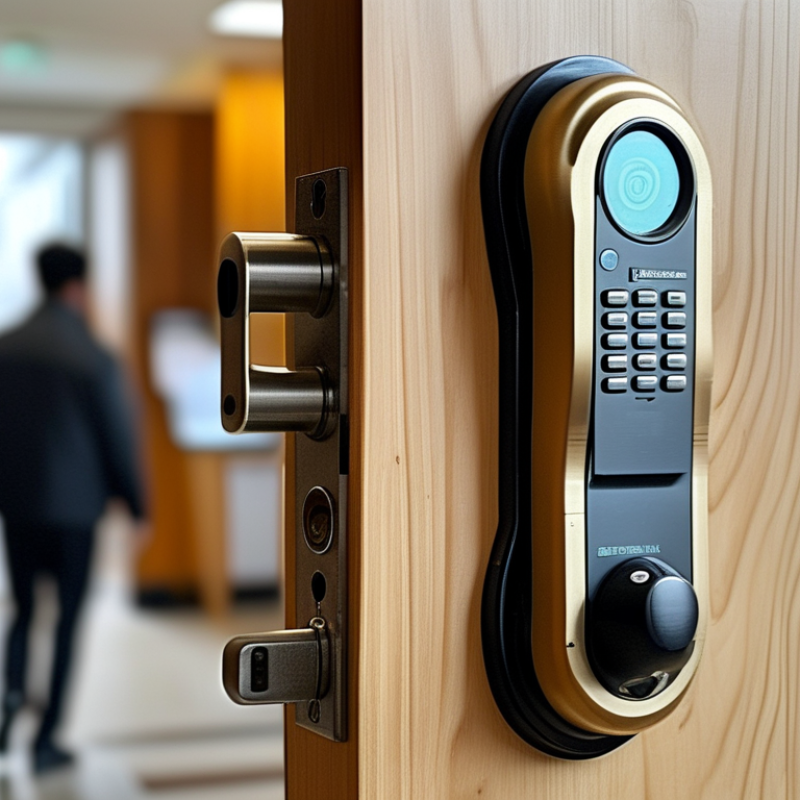
Intercom systems serve as a vital communication link in residential and commercial settings. They allow users to interact verbally or visually with visitors before granting access. Functionality varies by model. Some include video feeds, while others offer audio-only communication. A typical intercom has a main station and several units throughout the property. Users can converse in real-time, enhancing security and convenience.
Many intercoms now integrate with smart technology. This allows remote access through smartphones. Users can see and speak to visitors, even when away from home. Such features improve security by allowing control over who enters the property. However, the reliance on technology raises concerns. What happens during a power outage? Users must consider backup solutions.
Intercoms can simplify communication, but they require careful installation and maintenance. Poorly placed units may lead to communication gaps. It’s essential to evaluate each intercom's capabilities and limitations. Balancing technology and traditional methods might be necessary for optimal performance. Regular checks of functionality ensure systems meet user expectations.
Access control systems are essential for managing who can enter a facility. These mechanisms employ a variety of technologies, including keycards, biometrics, and PIN systems. Each method has its own strengths and weaknesses. For instance, keycards are convenient but can be lost or stolen, posing security risks. Biometrics offer high accuracy but may raise privacy concerns among users.
Implementing access control requires careful consideration of user needs and security levels. Organizations must assess their specific requirements to choose the right system. This includes analyzing foot traffic patterns and identifying sensitive areas within the premise. A poorly designed access control system can lead to unauthorized entry or unnecessary restrictions for employees. Attention to detail in implementation is crucial.
Periodic evaluation is key. Systems may need adjustments over time due to changes in technology or threats. Regular audits help ensure the effectiveness of access control measures. Reflecting on past incidents can provide insights into potential gaps and allow for continuous improvement. Striking a balance between convenience and security is essential for any successful access control strategy.
Intercoms and access control solutions serve distinct purposes in security systems. An intercom primarily facilitates communication, allowing individuals to speak with those at entry points. According to a report by the Security Industry Association, intercom systems are vital for establishing a direct line of communication in residential and commercial environments.
On the other hand, access control solutions govern who can enter specific areas. These systems often use key cards, biometrics, or PINs to manage entry. Research suggests that organizations implementing strict access control see a 34% reduction in unauthorized entries. Knowing when and where to use each solution can impact overall safety.
Tips: Understand your needs before investing. If your priority is communication, an intercom may suffice. If security is the main concern, access control is essential. Analyze your facility layout. Depending on the building size and flow, one solution may be more beneficial. Keep in mind that combining both systems often enhances security and communication. Ensure they are compatible to maximize efficiency.
Intercoms and access control systems serve distinct purposes, each suited for different environments. Intercoms are designed for communication. They often connect people across distances. You see them in residential buildings, offices, and schools. For example, an intercom can let a resident communicate with a visitor at the front gate. This enhances safety and convenience for both parties.
Access control systems focus on managing who can enter specific areas. These can include key card systems or biometric scanners, often seen in corporate offices and secure facilities. For instance, an employee swipes their ID card to enter a secure zone. This ensures that only authorized individuals gain access, reducing security risks.
Both systems can complement one another. Yet, consideration is needed for functionality versus security. Sometimes, intercom setups lack features for strict access control. Conversely, access control systems can become complex and costly. It’s essential to evaluate the specific needs of a space before choosing. Balancing communication and security can lead to better-informed decisions.
Intercom systems provide a direct communication link between users and visitors. They are great for essential contact. Users can see and talk with guests easily. However, intercoms can sometimes lack full security features. They mainly focus on communication rather than access control. This limitation can leave entrances vulnerable to unauthorized access.
Access control systems enhance security significantly. They regulate entry to specific areas. These systems often use key cards or biometric scans. They offer robust safeguards against intrusions. Yet, they can be complicated. Some users may find the technology daunting. Moreover, initial installation costs can be high. Maintenance may also require professional support.
Each system serves unique needs. Intercoms excel in communication but may fall short in security. Access control excels at keeping areas secure. Balancing both systems may provide the best outcome. It's essential to weigh benefits against limitations before making a choice.
: Access control systems manage entry into a facility through technology like keycards and biometrics.
Common technologies include keycards, biometrics, and PIN systems. Each has unique advantages and disadvantages.
Keycards are convenient for users. However, they can be easily lost or stolen.
Biometrics provide high accuracy but may raise privacy concerns for users.
Regular evaluations ensure effectiveness. Changes in technology or threats can necessitate adjustments.
Organizations must assess specific security needs and user requirements, analyzing traffic patterns.
Poorly designed systems can lead to unauthorized entry or unnecessary restrictions for employees.
Yes, they can complement each other, but careful consideration is needed for functionality and security.
Intercoms often lack features for strict access control, which can be a limitation.
Reflecting on past incidents helps identify gaps and fosters continuous improvement in security measures.
Intercom systems and access control solutions serve distinct purposes in enhancing security and communication within various environments. An intercom allows for two-way audio and video communication, facilitating interaction between individuals at different locations, which is particularly useful in residential and commercial settings. In contrast, access control systems focus on regulating entry to specific areas using mechanisms like card readers, biometric scans, or keypads, ensuring that only authorized personnel can access restricted zones.
When considering what is the difference between intercom and access control, it becomes clear that intercoms emphasize communication, while access control prioritizes security management. Application scenarios for these systems vary; intercoms are ideal for visitor communication, whereas access control is critical for protecting sensitive areas. Each system type presents unique benefits and limitations, making it essential for users to assess their specific needs before making a choice.

SMTR SmartLiving