As we approach 2026, many homeowners are reevaluating their security measures. The rise of smart technology has introduced innovative security systems that promise enhanced safety. However, the question remains: is smart security system worth the investment? According to recent reports from the Security Industry Association, smart security systems have seen a growth rate of over 20% in the last few years, reflecting their increasing popularity.
Yet, the decision to invest can provoke mixed feelings. Many consumers express concerns regarding cost versus perceived benefits. A study by MarketsandMarkets suggests that smart security systems can reduce property crime by up to 30%. However, not all systems deliver the same reliability. Technical glitches and software vulnerabilities do exist, which can lead to frustration for users.
Understanding the intricacies of smart security is essential. While costs can be significant upfront, the long-term benefits may justify the expense. A well-researched investment could lead to greater peace of mind. Determining if a smart security system is worth the investment requires careful consideration of personal needs and potential risks.
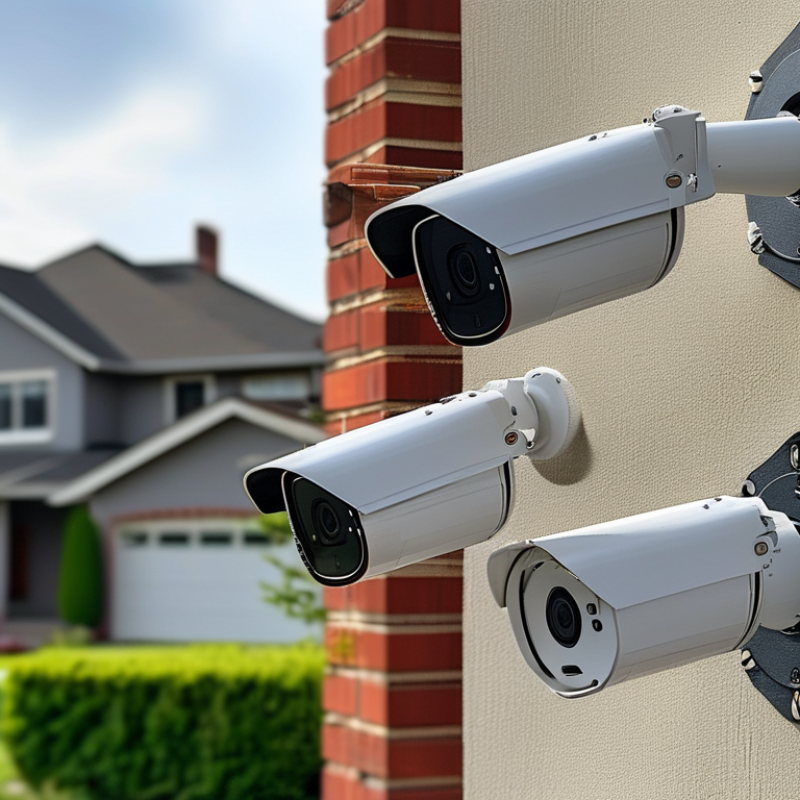
In 2026, the landscape of smart security systems is rapidly evolving. With the global security systems market expected to reach $60 billion by 2026, demand for advanced technology is surging. A recent report indicates that 70% of homeowners now prioritize smart features for security. Enhanced functionalities, like real-time monitoring and AI-driven analytics, offer users unprecedented control over their safety.
However, the increase in adoption raises questions. The reliance on connectivity means systems can be vulnerable to cyber threats. Approximately 30% of smart devices face some form of hacking risk. Furthermore, while many systems boast ease of installation, complexities often arise during setup and integration. Users often report frustrations, highlighting the need for better support and guidance.
Also, while initial investments can seem high, long-term savings on security measures merit consideration. A study found that smart systems can reduce home insurance premiums by up to 20%. Yet, some users find themselves paying for features they rarely utilize. Overall, the balance between cutting-edge technology and practical application remains a pivotal discussion point in evaluating smart security systems.
| Feature | Importance (1-10) | Price Range (USD) | User Satisfaction (%) |
|---|---|---|---|
| Cameras | 9 | 150 - 600 | 90 |
| Sensors | 8 | 50 - 300 | 85 |
| Smart Locks | 8 | 120 - 400 | 88 |
| Alarms | 7 | 100 - 350 | 82 |
| Monitoring Services | 9 | 20 - 60/month | 91 |
Investing in smart security solutions can offer numerous benefits in 2026. Data from industry reports indicate that the smart security market is projected to reach $75 billion by 2026, growing at a CAGR of 22%. This rapid growth signals increasing consumer interest and trust in these advanced systems. They utilize AI technology, which enhances real-time monitoring and threat detection, making homes and businesses significantly safer.
One significant advantage is remote access. Users can monitor their properties from anywhere using mobile apps. Interestingly, a survey found that 70% of homeowners feel more secure with smart security systems. These systems can integrate with home automation, allowing seamless control of various features. However, while convenience is a key factor, some users express concerns about data privacy, as the connection to the internet can pose risks.
Moreover, smart security systems can often reduce insurance premiums. Statistics show that homes with security systems can save up to 20% on costs. However, the initial investment can be substantial, and not everyone sees immediate returns. This hesitation to adopt smart security may stem from uncertainty about technology reliability or long-term efficiency. It's essential for potential investors to assess their unique needs before making a commitment.
Investing in smart security systems has gained popularity in recent years. Yet, countless homeowners wonder if this trend will be financially beneficial in 2026. The initial costs of these systems can be quite high. Sensors, cameras, and monitoring services often add up. On average, a comprehensive setup can cost several thousand dollars. This might seem daunting, especially for those with tight budgets.
However, the long-term savings can be significant. Insurance companies often offer discounts for homes with smart security. This could result in annual savings that offset upfront expenses. Additionally, these systems provide peace of mind. Knowing your home is secure can reduce stress.
Some people might question the reliability of technology. What if the system fails during a crucial moment? It's essential to weigh these concerns against the benefits. Ensuring the system's effectiveness will require further research and thoughtful investment.
As we look toward 2026, the evolution of smart security systems reveals impressive advancements. The global market for smart security is projected to reach $100 billion by 2026, growing substantially each year. New technologies will enhance features like facial recognition, AI-driven surveillance, and smart locks. These systems will create a more interconnected and responsive security network.
However, while the technology is promising, it also raises concerns. Privacy issues may become more prominent as devices gather personal data. A report from the Consumer Technology Association highlighted that 45% of consumers express anxiety over data security in smart systems. Trust remains a barrier. Users need to feel confident their information is safe.
Despite these challenges, the adoption rates are rising. By 2026, it is expected that 70% of households will have some form of smart security. The integration of IoT devices is vital. They allow for real-time monitoring and alerts, offering peace of mind. Yet, the debate on whether these systems are worth the investment continues. Users must weigh the benefits against potential vulnerabilities in their smart security environment.
In 2026, the demand for smart security systems is expected to surge significantly. Recent studies indicate that the global smart security market will reach $100 billion by 2026. Consumers seek innovative solutions that offer convenience and enhanced safety. About 70% of homeowners now prioritize smart home technology in their purchasing decisions.
The rise of IoT devices is transforming consumer expectations. People want systems that integrate seamlessly with their lifestyles. There is an appetite for features like remote monitoring and mobile alerts. However, some issues remain unresolved. Privacy concerns are a major barrier. Reports show that nearly 50% of consumers worry about data security when using these systems.
Market trends also reveal that user experience is crucial. A system may have impressive technology but it must be user-friendly. Installation challenges can deter potential buyers. There is a need for education on the benefits of smart security. Awareness can help consumers feel more secure in their choices. Balancing innovation with reliability is key to meeting market demands in this evolving landscape.
: Real-time monitoring and AI-driven analytics enhance user control and safety.
Around 30% of smart devices face various hacking risks.
While marketed as easy, many users experience complexities during setup.
Yes, some systems can reduce home insurance premiums by up to 20%.
Privacy issues and potential system failures during crucial moments worry many users.
Many feel they pay for features they seldom use, leading to dissatisfaction.
The global market is expected to reach $100 billion, indicating strong demand.
Convenience and integration with their lifestyles are top priorities for 70% of homeowners.
Impressive technology must also be user-friendly to attract and retain buyers.
High initial costs may deter buyers, but long-term savings can outweigh these expenses.
As we look toward 2026, the question arises: is smart security system worth the investment? This inquiry is particularly relevant as smart security systems continue to evolve, offering enhanced safety and peace of mind for homeowners and businesses alike. By integrating advanced technology, these systems provide real-time monitoring, remote access, and improved response times, all of which constitute significant benefits for users.
Additionally, a comprehensive cost analysis reveals that while the initial investment may be higher than traditional security measures, the long-term savings and enhanced security can offset these costs. With ongoing technological advancements and growing consumer demand for smart security solutions, it is clear that investing in these systems is becoming increasingly viable. Ultimately, for those prioritizing security and convenience, a smart security system may indeed be worth the investment.

SMTR SmartLiving