In today's rapidly evolving technological landscape, effective access control systems are vital. As organizations grow, they face the challenge of how to manage multiple users in access control systems. A recent industry report by MarketsandMarkets highlights that the access control market is projected to reach $13.8 billion by 2026, emphasizing the increasing demand for secure user management. A well-structured access control system allows companies to protect sensitive information while enabling smooth operations.
However, research by Gartner indicates that 75% of organizations struggle with user provisioning. Proper management of user access not only safeguards assets but also ensures compliance with regulations. Every user added to the system introduces complexity. It raises the risk of unauthorized access and operational inefficiencies. Companies need to reflect on their current user management processes to identify weaknesses and improve their security posture.
Balancing security and user experience is challenging. Organizations must develop practical strategies to effectively manage user roles and access levels. This will help ensure that only authorized personnel can access critical systems, ultimately contributing to operational success. Focusing on how to manage multiple users in access control systems is not just a technical issue; it is a fundamental aspect of organizational security and efficiency.
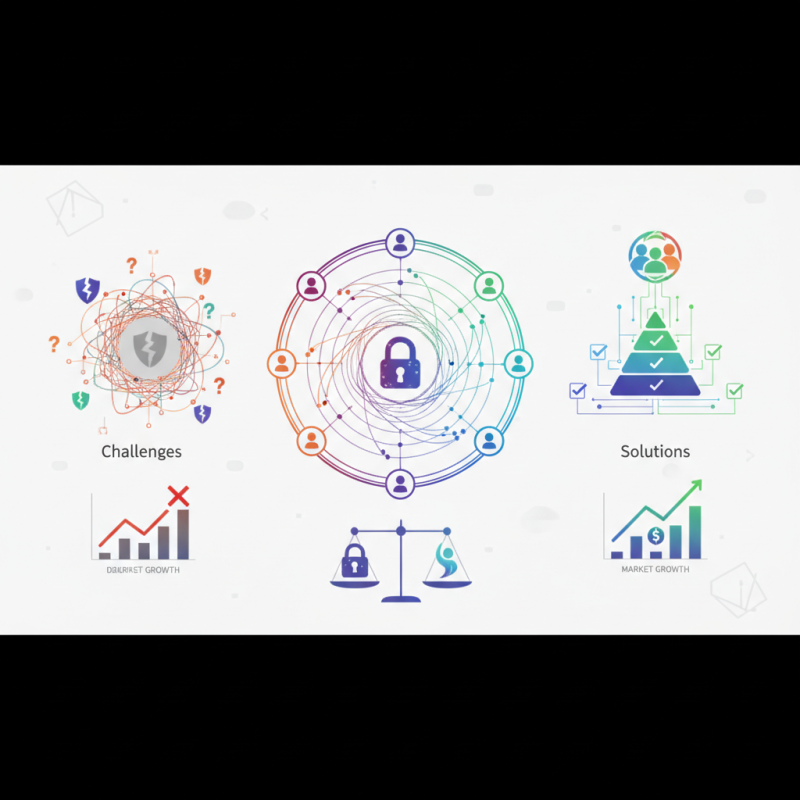
Access control systems are essential for safeguarding sensitive information and assets. These systems dictate who can access specific resources and under what conditions. Proper management is crucial. When multiple users are involved, the complexity increases. Each user may have different levels of access. This diversity can lead to confusion or mistakes if not managed well.
Understanding the nuances of access control is vital. It involves roles, permissions, and authentication methods. For example, an employee in finance might need different access compared to someone in marketing. If the access rights are not clearly defined, it could expose the organization to security risks. Situations where unauthorized users gain access can happen easily without thoughtful management.
Data breaches can stem from poor access control. Companies must regularly audit access levels. This ensures that users only have the permissions they need. Yet, this process is often neglected. It's not just about security. It is also about trust within the organization. Clear communication about access rights fosters a secure environment. This balance is difficult but necessary for a safe operational model.
User management is critical in access control systems. Effective user management can significantly enhance security. According to a report by Cybersecurity Insiders, 62% of organizations experienced a breach due to insufficient user management practices. This indicates a pressing need for robust policies.
The challenges in user management are vast. Many organizations struggle to maintain accurate user roles and permissions. For instance, 40% of firms reported having outdated user access rights. These gaps can lead to unauthorized access, increasing risk. Regular audits and role-based access control can mitigate these risks.
Proper training and awareness are essential. A study from the Ponemon Institute revealed that 27% of staff do not understand access policies. This misunderstanding can lead to accidental breaches or misuse of privileges. Organizations must invest in user education to enhance security and ensure compliance. Making informed user management choices can have a lasting impact on organizational security.
Managing multiple users in access control systems is a complex yet critical task. Organizations often face various challenges in this area. One significant issue is the potential for human error. When many users have access, regular security breaches can occur. Misconfigurations or lack of attention can lead to unintended access, jeopardizing sensitive information.
Another challenge lies in maintaining user accountability. It can be tough to track actions when multiple users interact with the system. Ensuring that each action is logged properly helps in audits and investigations. Without clear accountability, organizations may struggle to identify the source of a breach.
Tips: Regular training sessions can help users understand their responsibilities. Implement clear protocols for user access. Review permissions frequently to prevent unnecessary access and minimize risk. Consider using automated tools for monitoring activity. These measures can enhance both security and reliability of your access control systems.
Effective user management in access control systems is crucial. A study by the Ponemon Institute found that organizations lose an average of $3.5 million annually due to inefficient access management. This statistic emphasizes the need for robust user management processes. Regular audits and easy-to-update user roles can prevent unauthorized access and streamline operations.
Automating user provisioning is a best practice. It reduces human error and accelerates the onboarding process. According to Gartner, companies that automated user management processes saw a 50% increase in efficiency. This can significantly reduce the time to grant and revoke access as roles change. Providing training to staff on these systems is equally important. Many incidents occur due to lack of familiarity.
Security policies must be clearly communicated and enforced. Often, users may not fully understand the importance of access control protocols. An internal survey showed that over 70% of employees are unaware of the company’s access policy. Regular training sessions can bridge this gap. Companies should invest in continuous learning to keep user management practices effective. It's a growing challenge requiring constant reflection and adjustment.
| User Role | Access Level | Last Access Date | Status | Notes |
|---|---|---|---|---|
| Administrator | Full Access | 2023-10-15 | Active | Primary user |
| Manager | Read & Write | 2023-10-10 | Active | Supervising team |
| User | Read Only | 2023-10-01 | Inactive | No longer part of the team |
| Guest | Limited access | 2023-09-25 | Active | Temporary access issued |
Managing multiple users within access control systems is crucial for maintaining security. When user management falls short, security risks can surge dramatically. For instance, uncontrolled access can lead to unauthorized data exposure. This scenario often occurs when user credentials are poorly managed. A recent study found that companies with ineffective user management saw a 43% increase in breaches.
An overlooked aspect is the importance of regular audits. Many organizations fail to review user roles and access rights frequently. This negligence can create gaps in security. Imagine an employee who leaves but retains their access. This can compromise sensitive information. Additionally, weak password practices among users can exacerbate vulnerabilities. When users share passwords, the entire system becomes less secure.
The consequences of ineffective user management can be far-reaching. Beyond immediate security threats, there’s a loss of trust from clients and partners. Companies may face significant financial repercussions. Moreover, the damage to reputation can linger long after an incident. It’s essential for organizations to remain vigilant and proactive in their user management strategies to mitigate these risks effectively.
: Human error is a significant issue. Regular security breaches can occur due to misconfigurations.
Clear logging of actions is essential. This helps in audits and identifying breach sources.
Without clear accountability, organizations struggle to address security incidents properly.
Automating user provisioning helps minimize human error and speeds up onboarding.
Regular training sessions can bridge the knowledge gap among employees about access protocols.
Organizations may lose around $3.5 million annually due to inefficient access management processes.
Review permissions regularly and implement clear access protocols to minimize risks.
Automating user management processes can lead to a 50% increase in operational efficiency.
The ever-changing landscape requires constant reflection and adjustments in user management practices.
Many employees, over 70%, may not understand these policies, reflecting a need for improvement.
Managing multiple users in access control systems is crucial for maintaining a secure environment. Access control systems serve as the backbone of security measures, allowing organizations to regulate who can access specific resources. Effective user management enhances security by ensuring that only authorized personnel have access, thereby reducing the risk of breaches. However, managing multiple users presents challenges, such as maintaining up-to-date permissions and user credentials.
To mitigate these challenges, organizations should adopt best practices for user management, including regular audits of user access, implementing role-based access controls, and utilizing automated management tools. Failure to manage users effectively can lead to significant security risks, such as unauthorized access and data breaches. Therefore, understanding how to manage multiple users in access control systems is essential for any organization aiming to enhance its overall security posture.

SMTR SmartLiving