In today's world, learning how to prevent unauthorized access in buildings is crucial for maintaining security. With rising concerns about safety, many organizations seek effective solutions. Unauthorized access can lead to theft, vandalism, or worse. Therefore, adopting proactive measures is essential.
Employing advanced technologies, such as biometric systems, is one approach. These systems ensure that only authorized personnel can enter restricted areas. Additionally, a clear access protocol enhances security. Staff should be trained to identify suspicious behavior. It is vital to create awareness among employees. They can serve as the first line of defense.
However, it is important to reflect on current practices. Not all measures are foolproof. Regular audits and assessments of security protocols can identify weaknesses. Investing in high-quality locks and surveillance cameras is also necessary. The ongoing development of security strategies is needed to adapt to new threats.
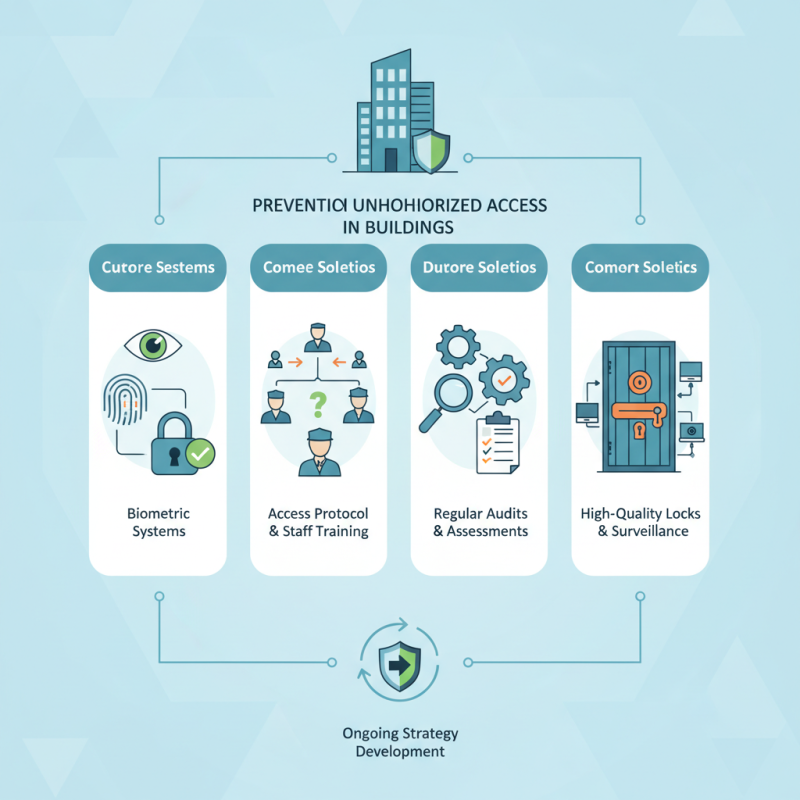
Unauthorized access poses significant risks for buildings and their occupants. It can lead to theft, vandalism, or even physical harm. Understanding these implications is crucial for creating safer environments. Buildings must be designed with security in mind. This includes implementing physical barriers and surveillance systems.
Consider improving your building's security in simple ways. Install access control systems that require identification for entry. This could be as basic as key cards or more advanced biometric scanners. Regularly update access permissions to ensure only authorized personnel can enter sensitive areas.
Employee training is another critical aspect. Teach staff about security protocols and awareness. Encourage them to report suspicious activities. Regular drills can help everyone understand their role in maintaining security. Reflect on past incidents to learn how to better protect your building. Even small oversights can lead to unauthorized access. Addressing these vulnerabilities can significantly enhance overall safety.
Building security systems often have common vulnerabilities. One major issue is outdated technology. Many buildings still rely on traditional locks and basic alarm systems. These methods can be easily bypassed. Upgrading to digital systems can enhance security but requires careful implementation.
Another common vulnerability is insufficient training of security personnel. Even the best systems can fail if staff do not know how to operate them. Regular training sessions can improve response times and operational effectiveness. Vulnerabilities can also arise from inadequate surveillance coverage. Blind spots in security cameras create opportunities for unauthorized access.
Users often overlook the importance of integrating security systems. Standalone systems can limit effectiveness. When security alarms, cameras, and access controls work together, they form a robust security network. It is crucial for building managers to assess vulnerabilities regularly. Ignoring these risks can lead to significant security breaches. Ensuring a proactive approach can help mitigate risks effectively.
Physical security measures are essential to prevent unauthorized access in buildings. Effective strategies must include strong locks and access control systems. A well-designed entry system keeps intruders at bay. Consider using biometric scanners for reliable identification. They help restrict access effectively, ensuring security.
Regularly inspecting the building’s perimeter is crucial. Employ motion detectors and surveillance cameras to monitor blind spots. These tools can deter potential intruders. However, reliance on technology alone is insufficient. Human vigilance remains necessary. Security personnel should patrol regularly to identify any vulnerabilities.
One area often overlooked is employee training. Educating staff about security protocols can make a significant difference. They should learn how to recognize suspicious behavior. Create a culture of awareness within the building. Encourage open communication regarding security concerns. Everyone plays a role in safeguarding the premises.
Access control is essential for building security in 2026. Integrating technology can greatly enhance safety measures. Smart locks and biometric systems are becoming more prevalent. These solutions offer better protection than traditional keys.
They allow for real-time monitoring and quick access management.
Consider incorporating cloud-based systems. These platforms enable remote control of security features. They can adapt to changing security needs with ease. Surveillance cameras can also be integrated for visual monitoring. AI can analyze footage in real-time, identifying potential threats quickly.
However, relying solely on technology can have its pitfalls. System failures or hacking can expose vulnerabilities. Training staff on response protocols is crucial. Balancing technology with human oversight creates a more robust security approach. There is room for improvement in how we integrate these solutions. Each facility has unique challenges, demanding tailored access strategies.
Training staff and implementing robust access management policies are crucial steps in preventing unauthorized access to buildings. Staff members are often the first line of defense. They must understand the importance of security protocols. Regular training sessions can help reinforce this knowledge. This training should cover identifying suspicious behaviors and responding to them effectively. Engaging employees in discussions about real-world scenarios can enhance their vigilance.
Policies should be clear and accessible. All employees need to know their roles in maintaining security. Access control measures, such as key cards and biometric systems, must be part of the workforce’s daily routine. However, relying solely on technology isn’t enough. Human error can lead to security breaches. Staff might accidentally let in unauthorized individuals or lose access credentials. Continuous reinforcement of procedures can mitigate these risks. Regular audits can also help identify gaps in security practices. Addressing these weaknesses is vital for continuous improvement and enhanced safety.
Creating a culture of security awareness in the workplace might take time. Initial pushback can occur when employees feel burdened by new protocols. Yet, fostering an open dialogue about challenges is essential. Encouraging feedback and suggestions makes staff feel valued. A proactive and participatory approach can make access management more effective and reliable. It's a collaboration where everyone plays a part in safeguarding the building.
: Strong locks and access control systems deter unauthorized access. Biometric scanners ensure reliable identification.
Regular inspections are crucial. They help identify vulnerabilities and enhance overall security.
Training staff on security protocols can significantly improve security awareness. It allows them to recognize suspicious behavior.
Smart locks and biometric systems offer superior protection and real-time monitoring. They improve access management considerably.
Cloud-based platforms allow for remote control and adaptability. They meet changing security needs effectively.
No, relying solely on technology has risks. System failures or hacking can expose security vulnerabilities.
Combining technology with regular human patrolling creates a stronger security approach. Both are needed for effective protection.
Encouraging open communication about security concerns helps foster a culture of awareness. Everyone's involvement is vital.
In addressing how to prevent unauthorized access in buildings, it is crucial to first understand the implications of such breaches and the vulnerabilities that often exist within security systems. Common weaknesses, such as inadequate surveillance or outdated entry points, can be easily exploited by intruders.
To enhance building security, implementing effective physical measures—such as secure locks and barriers—combined with advanced technology solutions, like biometric access control and monitoring systems, is essential. Additionally, training staff on security protocols and enforcing comprehensive access management policies can significantly reduce the risk of unauthorized entry, ensuring a safer environment for occupants and assets alike.

SMTR SmartLiving