Can Smart Doorbells Work Without Wifi in 2026 Best Options?

Time:2026-05-09 Author:Ethan
0%

In 2026, the question "can smart doorbells work without WiFi?" remains a hot topic among homeowners. As technology advances, smart doorbells are becoming more popular. However, many users have concerns about their dependency on WiFi. Understanding this aspect is vital when choosing a smart doorbell that fits your needs.

Imagine a scenario where your WiFi connection fails. Your smart doorbell could become useless. Some brands claim to offer features that function without wireless connectivity. These doorbells may rely on cellular data or alternative connections. However, their effectiveness often varies. It’s essential to explore these options closely.

Furthermore, while many products tout advanced features, they may not deliver in real-life situations. Users often find that battery life, video quality, and alerts are compromised without a stable internet connection. Evaluating these factors is crucial. In conclusion, as smart doorbells evolve, the ability to function without WiFi will significantly influence consumer choices.
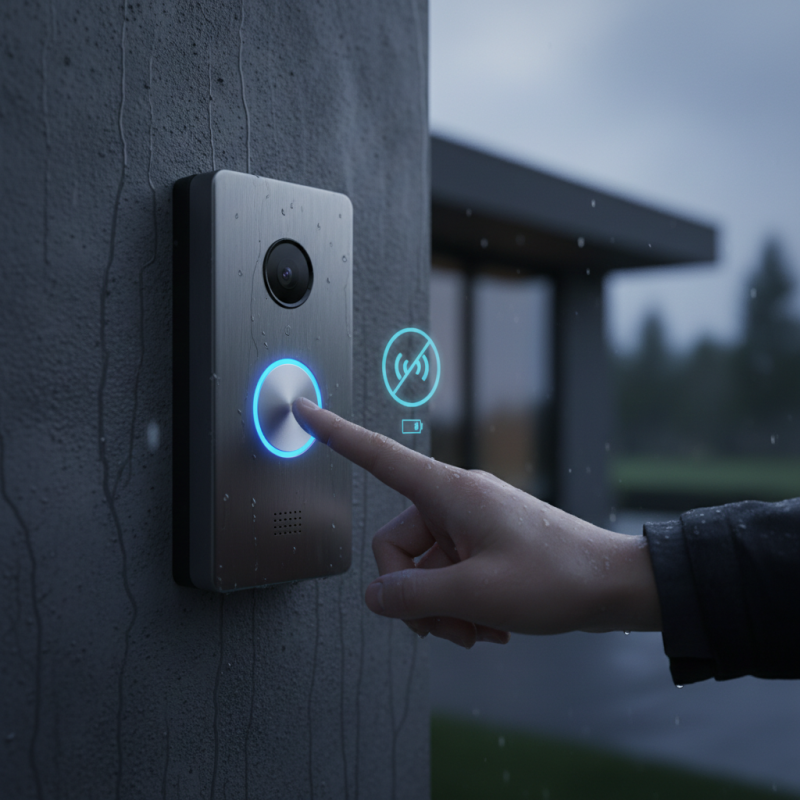
Can Smart Doorbells Work Without Wifi in 2026 Best Options?

Understanding Smart Doorbells and Their Connectivity Options

Smart doorbells have become increasingly popular, primarily for their convenience and security features. They typically connect to your home Wi-Fi network, allowing video streaming and notifications to your smartphone. However, many users wonder about options for smart doorbells without Wi-Fi. A recent market analysis indicates that a significant share of consumers, nearly 30%, prefer devices that operate without relying on Wi-Fi connectivity.

Many smart doorbells now offer alternatives like Bluetooth or cellular networks. Bluetooth models provide local connectivity and can connect directly to your smartphone. Meanwhile, some newer designs enable cellular data usage. This means they can still function even in areas with weak Wi-Fi signals, making them versatile for various living conditions.

**Tips for Choosing Smart Doorbells:**
1. Assess your internet reliability before choosing a model. A doorbell relying heavily on Wi-Fi may falter in low connectivity.
2. Consider power sources. Ensure the doorbell has battery backup or a wired option to maintain functionality during outages.
3. Evaluate features. Look for motion detection and recording capabilities, as these can enhance your home's security, even without Wi-Fi.

While smart doorbells are beneficial, their reliance on connectivity can be a drawback. More research is needed to improve offline options and ensure users are not left vulnerable. Keep exploring the options that best fit your lifestyle and needs.

Can Smart Doorbells Work Without Wifi in 2026 Best Options?

Model Connectivity Options Battery Life Features Price Range
Video Doorbell A WiFi, Ethernet, Cellular 1-2 Months HD Video, Motion Detection, Two-Way Audio $99 - $149
Smart Doorbell B WiFi, Battery-Only, Local Storage 6-12 Months 1080p Video, Night Vision, Smart Notifications $79 - $139
Wireless Doorbell C Battery Wireless, Optional Ethernet 3-6 Months 1600p Video, Facial Recognition, Cloud Storage $120 - $199
Doorbell D WiFi, Bluetooth 4-8 Months 4K Video, Smart Home Integration, Voice Commands $149 - $249
Smart Bell E Dual Band WiFi, Cellular Backup 2-5 Months Color Camera, Continuous Video, Alerts $89 - $159

The Role of Wifi in the Functionality of Smart Doorbells

Smart doorbells are increasingly popular for enhancing home security. These devices rely heavily on Wi-Fi for their core functions. They need a stable internet connection to transmit video feeds, receive alerts, and facilitate two-way communication. Without Wi-Fi, their capabilities are severely limited. Many smart doorbells cannot even function as standalone devices.

In 2026, the technology landscape may evolve, but Wi-Fi remains central to smart doorbell functionality. A lack of internet means reduced features. Traditional doorbells may seem appealing, but they lack the sophistication of smart devices. Many consumers may underestimate the importance of Wi-Fi connectivity until faced with limitations.

Some innovative solutions might emerge, allowing for offline operation. Still, the majority of users may find that a reliable Wi-Fi connection significantly enhances their experience. The challenge lies in ensuring that these devices maintain their performance indoors and outdoors. Creating a seamless user experience often requires a dependable network. However, it is essential for users to reflect on their internet reliability before investing in these devices.

Exploring Smart Doorbell Alternatives Without Wifi Connection

In a world increasingly reliant on internet connectivity, the question arises: can smart doorbells function effectively without Wifi? For those seeking alternatives, wireless doorbell systems provide viable solutions. These devices often rely on battery power and traditional doorbell wiring. They can still deliver alerts directly to your smartphone via cellular data.

Many options utilize local storage, allowing you to retain video footage without an internet connection. Some devices come with microSD card slots. This enables video recording directly on the device, making it accessible later. However, users may face challenges. Limited recording capacity and manual retrieval of footage can pose significant hurdles.

Another alternative includes smart doorbells with built-in cellular networks. These devices link to a mobile network instead of Wifi. This can guarantee connection in areas with spotty internet service. Yet, users should be cautious. Monthly data fees might add ongoing costs. Furthermore, the quality of service can vary. Ultimately, exploring these alternatives may provide peace of mind, even without a stable Wifi connection.

Smart Doorbell Options Without Wifi Connection (2026)

Top Smart Doorbell Models for Non-Wifi Use in 2026

Smart doorbells have transformed home security. In 2026, several models function effectively without WiFi. These devices allow homeowners to monitor entrances from a distance. They rely on alternative technologies like cellular connectivity or local storage. Such features enable real-time alerts and surveillance without internet dependence.

One option includes a smart doorbell with a built-in SIM card. This model operates on a mobile network. It provides clear video feeds and two-way audio. Users appreciate the ease of installation and minimal maintenance. Another choice offers local recording capabilities. It stores footage on a microSD card, reducing reliance on cloud storage. Users can directly access recordings via smartphone apps.

This technology isn't flawless. Limited connectivity may affect alerts. Some users reported issues with battery life in colder climates. There’s also a learning curve for setup. Understanding these devices can take time. Despite these challenges, non-WiFi smart doorbells are becoming more robust and user-friendly. They offer practical solutions for enhanced home security.

Future Trends in Smart Doorbell Technology and Connectivity

The smart doorbell market is evolving rapidly. As we look towards 2026, the future trends in smart doorbell technology will reflect a deeper integration of advanced connectivity options. Current models often rely on WiFi to function. However, many users face limitations due to weak signals. Looking forward, innovations may introduce alternatives like cellular connectivity or local storage methods. This would enhance reliability and usability.

In addition to connectivity, artificial intelligence in smart doorbells will see significant improvements. Future models could recognize visitors, adapting alerts accordingly. Picture a doorbell that identifies delivery personnel versus family. This capability will improve security and user experience. Nonetheless, the challenge remains in balancing privacy concerns and technology. How much data will users be willing to share?

Wireless technology's evolution is crucial for smart doorbells. With the rise of 5G networks, connectivity will be faster and more efficient. Edge computing may also play a role, allowing devices to process data locally. Still, questions persist regarding compatibility with existing systems. As tech progresses, manufacturers must address these concerns to gain consumer trust.

FAQS

: Can smart doorbells work without a Wifi connection?

: Yes, smart doorbells can function without Wifi using alternatives like wireless systems.

What power source do some doorbell systems use?

Many wireless doorbell systems rely on battery power and traditional wiring.

How do some devices store video footage?

Some doorbells come with microSD card slots for local video storage.

What challenges might users face with local storage?

Limited capacity and manual retrieval of footage can complicate usage.

Are there smart doorbells that use cellular networks?

Yes, some devices connect via cellular networks, providing more reliable service.

What should users consider about cellular network doorbells?

Users may need to account for monthly data fees and varying service quality.

What future trends are expected in smart doorbell technology?

Innovations may include better connectivity options and advanced AI for visitor recognition.

How might AI improve the smart doorbell experience?

Future models could recognize delivery personnel and adjust alerts accordingly.

What is a potential concern with advanced smart doorbells?

Balancing user privacy with technology will remain a critical challenge.

How might 5G networks impact smart doorbells?

Faster and more efficient connectivity could enhance the functionality of these devices.

Conclusion

The article "Can Smart Doorbells Work Without Wifi in 2026 Best Options?" explores the evolving landscape of smart doorbells, focusing on their connectivity options and the implications of Wifi reliance. Understanding the functionality of smart doorbells reveals that while Wifi enhances their capabilities, alternatives are emerging that allow them to operate without a traditional internet connection.

As technology progresses, innovations in smart doorbells are leading to options that function effectively offline, catering to consumers who prioritize reliability and security without dependence on Wifi. The article discusses various non-Wifi models available in 2026, highlighting how these devices maintain performance and usability. Additionally, future trends in smart doorbell technology suggest a potential shift towards more versatile connectivity solutions, prompting the crucial question: can smart doorbells work without Wifi? The answer lies in the ongoing advancements that are reshaping how we think about home security.

Ethan

Ethan

Ethan is a seasoned marketing professional with a deep expertise in our company's innovative product line. With a passion for sharing knowledge and insights, he takes the lead in regularly updating our corporate blog, where he explores industry trends, product features, and effective marketing......