Why Are Smart Security Technology Trends Essential for Businesses?

Time:2026-05-31 Author:Mason
0%

In today's fast-paced world, businesses face numerous security challenges. As technology evolves, so do the strategies to combat potential threats. Understanding what are the latest trends in smart security technology is crucial for companies aiming to protect their assets effectively.

Smart security solutions leverage advanced tools like AI, machine learning, and IoT devices. These technologies enable real-time monitoring and data analysis, significantly enhancing response times. For instance, facial recognition systems can swiftly identify intruders, providing a customer experience that now prioritizes safety.

However, despite these advancements, challenges remain. Implementing new technology can be costly and complex. Additionally, companies must address privacy concerns and the potential for misuse. Businesses must stay informed and adapt to these trends. The balance between innovation and security remains a constant challenge, demanding continuous reflection and improvement.
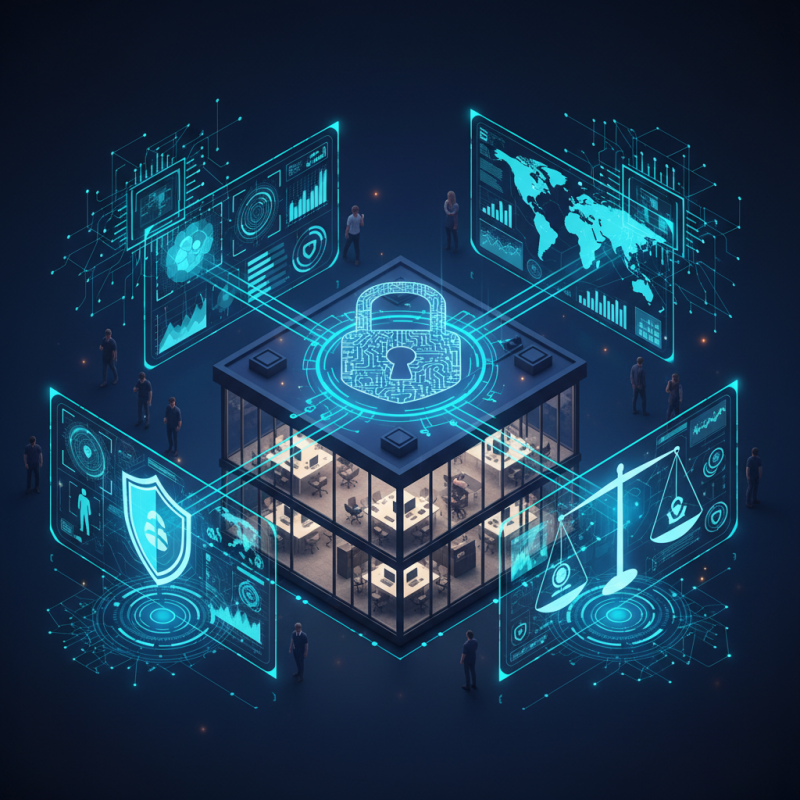
Why Are Smart Security Technology Trends Essential for Businesses?

The Importance of Smart Security Technology in Modern Business Operations

Smart security technology is becoming essential for modern businesses. This evolution stems from the need to protect sensitive data and physical assets. As cyber threats grow, smart solutions offer businesses a way to stay ahead. These technologies, like AI-driven surveillance and advanced access control, provide real-time monitoring and alerts. They enable companies to act quickly, minimizing potential damage.

Integrating smart security technology isn't always straightforward. Many businesses struggle with implementation and training. Staff may resist learning new systems. Additionally, the cost can be daunting. It’s important to evaluate the return on investment over time. Some organizations may find they need to adjust their approach as cyber threats evolve. Assessing vulnerabilities regularly is crucial.

Adopting smart security is not just a tech upgrade—it's a cultural shift. Organizations must foster an environment that prioritizes security. Effective communication about policies and procedures is vital. Employees should feel empowered to report suspicious activities. This collective responsibility can bolster security efforts significantly, creating a safer environment for everyone involved.

Current Trends in Smart Security Technologies Impacting Businesses

The landscape of business security is rapidly evolving. Emerging smart security technologies are reshaping how companies protect their assets. More businesses are turning towards advanced surveillance systems, AI-driven analytics, and IoT devices. These innovations provide better monitoring capabilities and real-time response options. However, with this shift comes a significant responsibility. Companies must ensure they use these technologies ethically.

Smart cameras equipped with facial recognition inspire mixed feelings. They can enhance security, but they also raise privacy concerns. Employees and customers may feel uneasy about constant monitoring. It's vital for businesses to strike a balance. Transparency in security practices can help alleviate apprehensions. Additionally, integrating cybersecurity measures with physical security systems is a must. Hackers can exploit vulnerabilities in smart devices. A comprehensive approach protects against both physical and digital threats.

Training employees on security awareness is crucial. Many security breaches arise from human error. Regular workshops and drills can instill a culture of vigilance. Businesses must consider that technology alone won't solve security issues. Human factors and technology must work hand in hand to create robust solutions. Challenges remain, but the adoption of smart security tech is essential for future growth and safety.

Benefits of Implementing Advanced Security Systems for Enterprises

In today's fast-paced business environment, advanced security systems are becoming vital. These technologies not only protect sensitive data but also enhance overall operational efficiency. By integrating smart security features, businesses can minimize risks associated with data breaches and physical threats. This proactive approach fosters trust among clients and stakeholders, which is essential for ongoing success.

Implementing these security systems often leads to significant cost savings. Improvements in surveillance and access control reduce the need for extensive manual oversight. Moreover, the automation of security procedures streamlines operations. Employees can focus on core tasks instead of routine security measures. However, many organizations struggle with the initial investment and complexity of implementation. There’s a learning curve involved, and it’s important to assess if the benefits align with specific business needs.

Advanced security technologies also encourage a culture of safety. Employees tend to perform better in a secure environment. Yet, it’s vital to balance technology with human oversight. Over-reliance on automated systems could lead to complacency. Companies should regularly review their security protocols and ensure staff remain vigilant in their roles. This reflective practice will foster a robust security mindset across the organization.

Challenges Faced by Businesses in Adopting Smart Security Solutions

Adopting smart security solutions is not without its challenges. Many businesses struggle with integrating these technologies into existing systems. A lack of infrastructure can hinder effective implementation. Employee training is also essential. Without proper guidance, staff may not use the new tools correctly.

Budget constraints often pose a significant barrier. Businesses may find the upfront costs daunting. The investment required for smart security technologies can overshadow the potential long-term benefits. Moreover, small and medium enterprises may feel particularly strained. They often have fewer resources to allocate for such upgrades.

Data privacy concerns add another layer of complexity. Companies need to ensure that information remains secure while adopting these technologies. Potential vulnerabilities can arise from improper deployment. Balancing security needs with user privacy is a delicate and ongoing challenge. Thoughtful planning and consideration are required for successful implementation.

Future Outlook: Advancements in Security Technology for Business Resilience

The rapid evolution of security technology is transforming business landscapes. Companies must embrace advancements to enhance resilience. Emerging trends include AI-driven surveillance and integrated IoT systems. These innovations can identify threats in real-time, offering a robust defense mechanism. Furthermore, they adapt to new challenges, ensuring security is proactive rather than reactive.

However, the integration of these technologies is not without challenges. Businesses may face difficulties in implementation and potential system vulnerabilities. Ensuring that staff is properly trained is crucial. A technology investment can fail if users do not understand it. The balance between cutting-edge solutions and practical application is delicate.

Moreover, data privacy concerns arise with these advancements. Consumers are increasingly wary of how their information is handled. Companies must establish transparent policies to build trust. They need robust strategies to protect sensitive data while leveraging technology. Navigating these complexities is essential for sustainable growth in today’s dynamic environment.

Smart Security Technology Trends and Their Importance for Businesses

The chart above illustrates the importance of various smart security technology trends for businesses, rated on a scale from 1 to 10. With AI & Machine Learning leading the way, it highlights the key areas that organizations should focus on to enhance their security resilience in today's rapidly evolving landscape.

FAQS

: Why is smart security technology important for businesses today?

: It protects sensitive data and physical assets from growing cyber threats.

What challenges do businesses face when implementing smart security technologies?

Many struggle with integration and employee training, making implementation difficult.

How can employee resistance impact smart security adoption?

Without proper support, employees may not use new systems effectively.

What financial concerns do businesses have regarding smart security?

The upfront costs can be significant, often overshadowing potential long-term benefits.

How does data privacy affect smart security implementation?

Ensuring data security while adopting new technologies requires careful planning and policies.

What role does company culture play in enhancing security measures?

A culture prioritizing security empowers employees to report suspicious activities, improving safety.

How can businesses ensure staff are properly trained on new technologies?

Providing clear guidelines and ongoing training is essential for successful adoption.

What future trends are shaping smart security technology?

AI-driven surveillance and IoT integration are key trends that enhance resilience.

Why is it important for companies to assess vulnerabilities regularly?

It allows businesses to adjust their security approaches as cyber threats evolve.

How can businesses balance security needs and user privacy?

Establishing transparent policies and robust strategies is crucial for building trust.

Conclusion

In today's rapidly evolving business landscape, understanding what are the latest trends in smart security technology is crucial for enterprises striving for operational resilience. Smart security technologies enhance modern business operations by integrating advanced systems that provide real-time surveillance, threat detection, and proactive risk management. The current trends emphasize automation, artificial intelligence, and the Internet of Things (IoT), which collectively improve security measures while reducing operational costs.

However, businesses face several challenges while adopting these innovative solutions, including budget constraints and the need for employee training. Despite these hurdles, the benefits of implementing advanced security systems—such as improved data protection, enhanced customer trust, and streamlined operations—are compelling. Looking ahead, advancements in security technology will continue to evolve, ensuring that businesses remain secure and resilient in an increasingly complex environment.

Mason

Mason

Mason is a seasoned marketing professional with a deep expertise in the company's offerings and a passion for driving brand awareness. With a strong background in digital marketing strategies, he has an innate ability to connect with diverse audiences and effectively communicate product benefits.......