Upgrading traditional intercom systems can seem daunting. However, it is an essential step for enhancing communication in many buildings. According to a recent report by the Communication Technology Institute, over 55% of businesses are considering such upgrades this year. This transition not only improves security but also increases the efficiency of daily operations. Experts like Sarah Thompson, a leading consultant in communication technology, emphasize, "A modern intercom is a necessity for streamlined communication in any facility."
In the realm of how to upgrade traditional intercom systems, integrating smart technology plays a significant role. Many systems now offer video capability, mobile integration, and advanced security features. These upgrades can reduce response times and improve overall user satisfaction. However, the process involves careful budgeting and planning. Not every upgrade may fit every environment, and organizations need to assess their unique needs.
There can be challenges as well. Resistance to change among staff is common. Ensuring proper training and support is crucial for a smooth transition. Upgrading these systems isn't just about new technology; it also requires a cultural shift in how communication is approached within an organization. As businesses move forward, reflecting on their current systems and potential enhancements will be vital for future success.
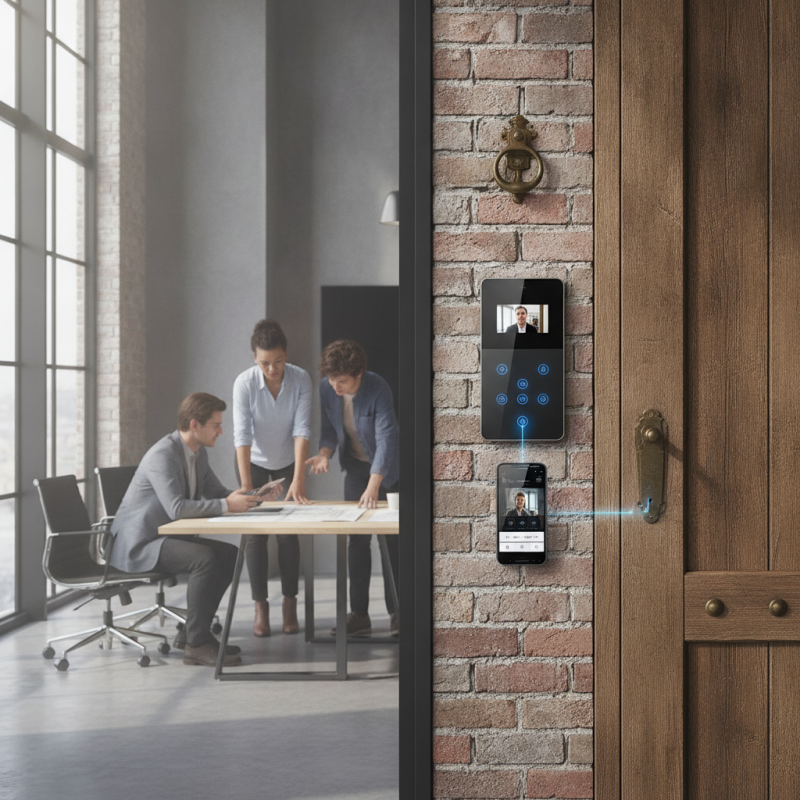
Traditional intercom systems have served many homes and businesses for years. However, they come with notable limitations. Most operate on a basic wired infrastructure, which can be cumbersome. This wiring may not only be expensive to install but also challenging to maintain. As technology advances, these systems often lack the features users desire, like mobile access or integration with home automation systems.
Another significant drawback is sound quality. Many older intercoms produce poor audio clarity, making it difficult to communicate effectively. Your conversations can become frustrating when background noise interferes. Security is another concern. Traditional intercoms often lack modern encryption, leaving them vulnerable to eavesdropping. These systems also usually have limited scalability, meaning expanding your setup can be complicated and costly.
Users might overlook the environmental impact as well. Old intercom systems may consume more energy than newer alternatives. This inefficiency can lead to higher utility bills over time. Additionally, replacement parts for outdated models can be hard to find, further complicating maintenance. As we seek to modernize our communication methods, it is worth reflecting on these limitations and considering how best to upgrade our intercom systems for better performance and sustainability.
When considering an upgrade to your traditional intercom system, it's vital to identify your specific needs. Think about the areas where your current system falls short. Is the sound quality poor? Are there dead spots where communication fails? Assessing these aspects helps refine your requirements.
Evaluate how many users need access. Is it just for a single household, or are multiple units involved? This decision can influence the scalability of your new system. Remember that ease of use is crucial. If users find the system complicated, it won't be effective. Engage with users to gather feedback on what features they would find beneficial, such as video capability or smartphone integration.
Consider the environment in which the system will be used. Will your intercom be outdoors? If so, it needs to withstand weather conditions. Reflect on the aesthetics as well. A sleek design may complement your space better than a bulky one. By articulating these needs, you'll pave the way for a successful upgrade that enhances communication.
Modern intercom systems come with features that make communication seamless. They allow real-time video and audio connections. This transformation enhances home security and convenience. Smart intercoms integrate with mobile devices. Users can receive alerts remotely. This integration can simplify home management.
Exploring advanced technologies, many intercom systems now support voice assist features. This means you can control your system hands-free. Some units offer cloud storage for recordings. This is beneficial for those who require proof of interactions. However, it is essential to ensure these systems are kept updated. Cybersecurity threats are a valid concern, and outdated systems can be vulnerable.
The user interface of new intercoms varies significantly. Some are tricky to navigate initially. It's important to spend time understanding the features. Training might be necessary for less tech-savvy users. While modern features are enticing, they can create confusion if not properly handled. Consider carefully before upgrading to ensure the system meets your needs.
Upgrading your intercom system requires careful planning. Start by assessing your current setup. Are the devices outdated? Consider their functionality and compatibility with new technology. Gather feedback from users about their experiences. This can provide insight into the features that matter most.
Next, budget effectively. Define the financial limits early on. Consider not only hardware costs but also installation and maintenance. Research potential savings. Sometimes, opting for a phased approach can be beneficial. This allows you to spread costs over time and reduce immediate financial strain.
Think about future needs. Will your chosen system accommodate potential expansion? It’s essential that your upgrade doesn’t become obsolete too quickly. Take time to analyze the features you absolutely need versus those that are nice to have. This will help prevent over-investment and ensure that the upgrade meets both current and future requirements.
Upgrading a traditional intercom system can be daunting. Balancing new technology with existing infrastructure takes careful planning. Start by assessing your current setup. Identify specific features you need or want. Some may desire video capabilities, while others prioritize better sound quality. Creating a clear list will guide your upgrade.
Once you know your requirements, it’s time to choose the right components. Research options that fit both your needs and budget. Consider the compatibility of new devices with your existing wiring. You may face hurdles if newer technologies do not align well with older systems. This is often overlooked, leading to frustration during installation.
Installation should be approached step by step. Begin by organizing your space and tools. Clear debris and clutter for a smooth workflow. Testing connections before finalizing can save time. It’s crucial to address any unexpected issues. Double-checking every connection can prevent complications later. Maintaining open lines of communication with any team members involved is vital. Discussing any challenges encourages a collaborative problem-solving environment.
| Step | Description | Estimated Time | Required Tools | Potential Challenges |
|---|---|---|---|---|
| 1 | Assess the Current System | 2 hours | None | Inadequate documentation |
| 2 | Define Upgrade Goals | 1 hour | None | Lack of clear objectives |
| 3 | Select the New System | 3 hours | Research tools | Overwhelming options |
| 4 | Prepare for Installation | 2 hours | Tools for installation | Incompatible wiring |
| 5 | Install the New System | 4 hours | Screwdrivers, Drills | Time management |
| 6 | Test the System | 1 hour | None | Failure to detect issues |
| 7 | Train Users | 2 hours | Training materials | User resistance |
| 8 | Maintenance Planning | 1 hour | None | Budget constraints |
: Traditional intercoms often rely on wired infrastructure, which can be cumbersome and costly to maintain.
Many older intercom systems produce poor audio clarity, making effective communication difficult due to background noise.
These systems typically lack modern encryption, leaving them vulnerable to eavesdropping and security breaches.
Older systems may consume more energy, leading to higher utility bills and increased environmental concerns.
Identify shortcomings like sound quality, user access needs, and potential dead spots to refine upgrade requirements.
Engaging users helps identify beneficial features and ensures the new system is easy to use and effective.
A sleek design might better complement your space compared to a bulky traditional model, enhancing visual appeal.
No, these systems often have limited scalability, making expansion complicated and costly.
The system must withstand weather conditions, ensuring reliable communication even in rain or extreme temperatures.
Finding replacement parts can be difficult, complicating maintenance and prolonging issues with outdated models.
Upgrading traditional intercom systems can greatly enhance communication efficiency and convenience. The first step in this process is understanding the limitations of existing systems, such as outdated technology and lack of features. Identifying specific needs for an upgrade is essential, as it allows for a targeted approach to modern intercom technologies that can offer improved functionality, such as mobile integration and high-definition video.
When considering how to upgrade traditional intercom systems, careful planning and budgeting are crucial. Assessing the scale of the upgrade, determining the necessary features, and creating a timeline for implementation can facilitate a smooth transition. Finally, following clear steps for installation and testing will ensure that the new system operates effectively, providing enhanced connectivity and usability for all users.

SMTR SmartLiving