In today's world, security and convenience are paramount. A video door phone system addresses both needs effectively. But how does a video door phone system work? This technology integrates video and audio communication, allowing homeowners to interact with visitors remotely.
When a visitor rings the doorbell, the system activates a camera. The homeowner receives a live video feed on their device, achieving a clear view of the front door. Through audio communication, they can engage with the visitor, ensuring safety and privacy. It’s a blend of innovation and practicality. Yet, some users may struggle with the technology.
Understanding the features is crucial. Installation can be straightforward or complex, depending on the model. Connectivity issues might arise, affecting performance. Despite potential challenges, the rewards of enhanced security and convenience often outweigh the drawbacks. A video door phone system is indeed a valuable addition to modern homes.
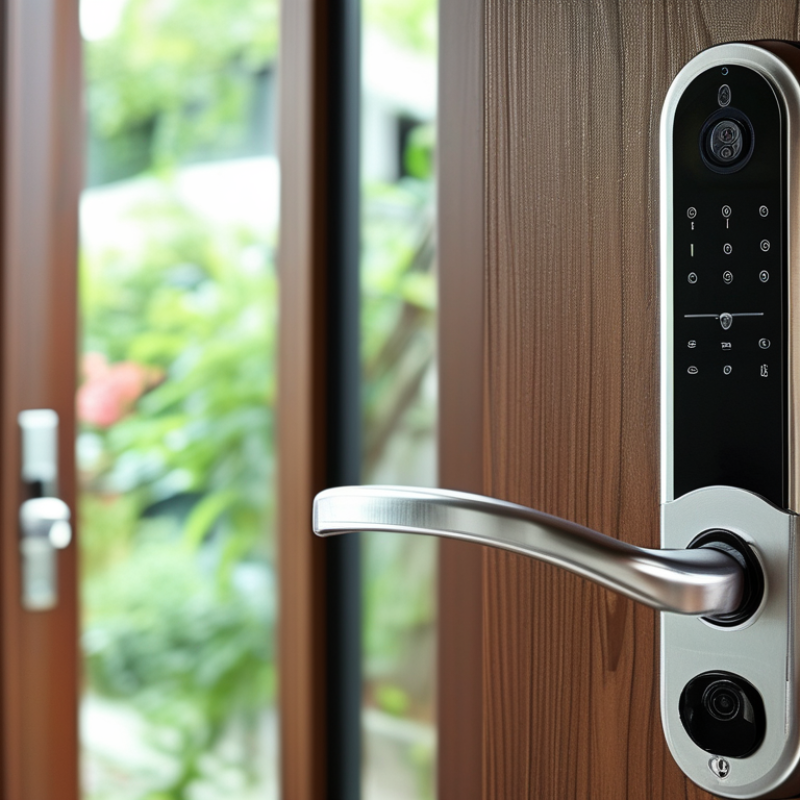
A video door phone system consists of several components that work together to enhance home security. The key elements include an outdoor camera, an indoor monitor, and a power supply. The outdoor camera is equipped with a wide-angle lens, capturing high-definition images. Studies indicate that 80% of burglars consider a visible camera an effective deterrent.
The indoor monitor displays the live feed from the outdoor camera. Users can communicate with visitors through a built-in intercom. This two-way communication feature is crucial. According to industry reports, homes with video door phones experience a 50% reduction in break-ins. Sound quality can vary, so it’s important to test different devices for optimal clarity.
Power supply options, such as batteries and hard-wired systems, can affect functionality. Some setups may cause delays in response time. Regular maintenance is vital. Users should clean camera lenses to ensure high-quality video. Neglecting this can result in blurry images, ultimately impeding security. Such details reveal the delicate balance between technology and usability.
A video door phone system is an effective way to enhance home security. These systems typically consist of an outdoor unit with a camera and an indoor unit with a display. When a visitor presses the doorbell, the outdoor camera activates. You get a real-time video feed on the indoor monitor. This allows you to see who is at your door without opening it.
The basic operation of video door phones is straightforward. Many systems are equipped with motion sensors. This means that they can notify you even before the doorbell is pressed. The audio component allows for two-way communication, letting you interact with visitors. You might miss some features, such as remote access, which can be a limitation. Not all models provide high-resolution video. A blurry image can make it hard to identify guests.
It's crucial to think about installation and compatibility. Some systems connect via Wi-Fi, while others use wired connections. If you live in an area with weak signal, a wired option may be better. Users should also consider their privacy. Keeping the video feed secure is essential. However, users often underestimate the importance of updating passwords on their devices. This should be part of regular maintenance.
Video door phone systems have gained popularity for their ability to enhance home security. They allow homeowners to see and communicate with visitors at their door, even when they are not at home. However, not all video door phone systems are created equal. Key features can significantly improve their performance and usability.
One important feature is high-definition video quality. Clear images make it easier to identify visitors. Many systems now offer night vision capabilities as well. This means you can see who is at your door, even in low light. Motion detection is another critical element. It alerts you to movement at your door, even if the visitor doesn’t ring the bell. Alerts sent directly to your smartphone ensure you never miss a visitor.
Sound quality also plays a vital role. Crisp audio helps you communicate effectively. If the sound is unclear, important messages can be lost. Moreover, ease of installation is a factor worth considering. Some devices are more complicated than expected. A user-friendly design allows for quick setup. However, not all systems offer this simplicity, leading to frustration during installation. Balancing these features can lead to a more reliable video door phone experience, addressing both security and convenience needs effectively.
An effective video door phone system begins with proper installation. This includes assessing existing electrical wiring and network connectivity. A recent study indicates that 42% of homeowners face issues due to inadequate wiring. Ensuring that all components are compatible is vital. An unreliable connection can lead to video lag or diminished audio quality. Installing a dedicated power supply improves reliability.
Choosing the right location for the camera and monitor also matters. The doorbell should be at eye level, providing clear views of visitors. According to industry reports, improperly positioned cameras can reduce visibility by up to 30%. Weatherproofing is crucial for outdoor units; moisture can lead to system failure. Additionally, ensuring a strong Wi-Fi signal can improve the system's performance.
It’s important to factor in accessibility. Users with mobility issues may need easy-to-reach devices. Regular testing and maintenance are essential to address potential issues. Some systems may require software updates. Ignoring these updates might lead to vulnerabilities. Actively monitoring the system’s functionality can enhance overall security and user experience.
Video door phones are essential for home security, but they can face common issues. One prevalent problem is poor connectivity. This can lead to choppy video or intermittent audio. Inspect your wiring regularly. A secure connection ensures a smooth operation.
Another common issue is the camera's visibility. Ineffective lighting can obscure the camera view, especially at night. Ensure the entryway has adequate lighting. Consider adding motion-sensor lights that activate upon movement. This not only improves visibility but also enhances security.
If the system fails to work, check your power supply. A faulty adapter can cause malfunction. Replacing it might resolve the issue swiftly. For software trouble, frequent updates are crucial. Outdated software can lead to glitches. Stay updated for better performance. Always refer to the user manual for troubleshooting guidelines. These small actions can significantly improve your video door phone experience.
: The main components include an outdoor camera, indoor monitor, and power supply.
High-definition quality makes it easier to identify visitors at the door.
Clear audio ensures effective communication with visitors, avoiding misunderstandings.
Users should assess wiring, network connectivity, and camera positioning for optimal performance.
Moisture can cause system failure; weatherproofing is essential for reliability.
Regular cleaning and updates are necessary to prevent blurry images and vulnerabilities.
Incompatible components or unreliable connections can cause delays in video feed.
Yes, alerts allow users to know about visitors even when they are not home.
Night vision capabilities allow visibility during dark hours.
Motion detection alerts users to movement at the door, even if the bell isn’t rung.
A video door phone system operates by integrating several components, including a camera, intercom, and monitor, to create a seamless communication experience between the homeowner and visitors. To understand how does a video door phone system work, one must consider its basic operation, which involves capturing video and audio at the door, transmitting it to the interior monitor, and allowing two-way communication. Key features such as motion detection, night vision, and remote access significantly enhance performance and usability, making these systems more effective.
Installation requirements are critical and typically involve positioning the outdoor unit at a suitable height and ensuring proper wiring connections for both power and data transmission. Despite their effectiveness, users may encounter common issues such as connectivity problems or video distortion, but these can often be resolved with basic troubleshooting tips. By understanding the components and operation of a video door phone system, homeowners can ensure a reliable and secure entryway.

SMTR SmartLiving