How Does a Video Door Phone System Work for Global Buyers?

Time:2026-04-07 Author:Henry
0%

In today's world, security and convenience are paramount for homeowners. Understanding how does a video door phone system work is crucial for global buyers looking to enhance their property security. According to John Smith, a leading expert in home security technology, “A video door phone system bridges the gap between comfort and safety.”

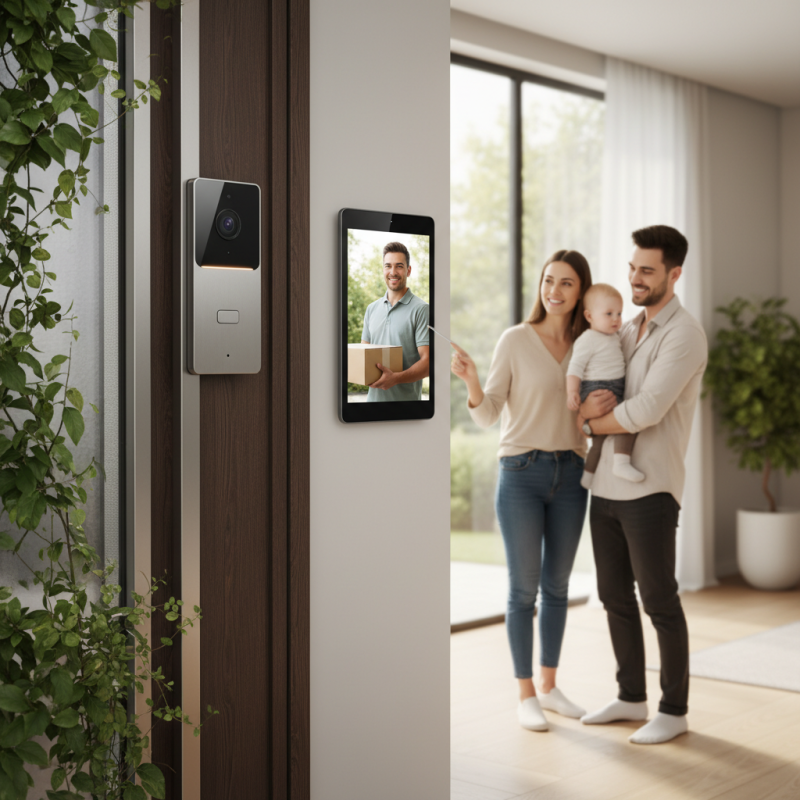
The mechanics of this technology involve a simple yet effective setup. A camera installed at the door, paired with an indoor monitor, allows users to see and communicate with visitors remotely. This two-way communication not only deters potential intruders but also adds a layer of safety for families. For instance, a mother can check who is at the door without stepping outside.

However, buyers should consider various factors before investing. Installation may require some technical skills, and not all systems are equally reliable. There are always slight nuances during setup or usage that may require adjustments. Reflecting on these aspects will ensure a well-informed decision concerning how does a video door phone system work in real-world scenarios.
How Does a Video Door Phone System Work for Global Buyers?

Understanding the Basics of Video Door Phone Systems

Video door phone systems have revolutionized home security and communication. These devices combine video surveillance and intercom features. Users can see and talk to visitors from the safety of their homes. The system typically consists of an outdoor camera, a doorbell, and an indoor monitor. This setup allows users to identify who is at the door before granting access.

The outdoor camera captures video footage, often with night vision and motion sensors. When a visitor presses the doorbell, the indoor monitor activates. Users can answer the call and communicate with the visitor through a built-in speaker. Some systems even allow for smartphone connectivity. This feature enhances convenience and security. However, not all systems offer the same quality. Users should consider their specific needs before making a purchase.

While these systems increase security, concerns remain regarding privacy and data security. Some users might inadvertently expose their video feeds to unauthorized access. It’s essential to research and choose systems with strong security protocols. Balancing convenience and privacy is crucial in finding the right video door phone system for personal use.

Components of a Video Door Phone System Explained

A video door phone system consists of several key components that work together seamlessly. The main parts include an exterior camera unit, an interior monitor, and additional features like intercoms and control buttons. The camera unit captures video and audio when someone approaches the door, allowing homeowners to see and hear visitors. This enhances home security and convenience.

The interior monitor displays the video feed. It can connect to multiple camera units if your home has several entry points. Many monitors come with touchscreen features, making navigation easy. Some systems also allow for mobile connectivity, enabling homeowners to check their door’s activity on their smartphones.

Tips: Keep the camera lens clean. This helps maintain clear video quality. Additionally, ensure you test the audio functionality regularly. It may surprise you how often these simple checks can prevent miscommunication at the door. Regular updates and a reliable power source are essential for maintaining system integrity. Consider investing in backup battery options for uninterrupted service.

Components of a Video Door Phone System

How Video Door Phones Operate: Step-by-Step Functionality

Video door phone systems enhance security and convenience for homes and businesses. They connect a camera to an intercom system, allowing users to see and communicate with visitors. According to a report by MarketsandMarkets, the global video door phone market is projected to grow from $1.7 billion in 2021 to $3.2 billion by 2026. This growth is driven by increasing safety awareness and technological innovation.

In operation, a video door phone system functions in several key steps. When a visitor presses the call button, the camera captures an image. This live feed is transmitted to a connected screen or smartphone. Users can view the visitor in real-time. For example, many systems offer two-way audio, allowing users to speak with their guests without opening the door. Data from a recent study showed that 78% of users felt more secure with a video door phone setup.

Yet, while these systems offer clear benefits, challenges exist. Installation can be complex. Users often face difficulties with connectivity and compatibility with existing systems. Moreover, privacy concerns are paramount. It’s crucial to choose a system that safeguards data and ensures secure transmission. Regular updates and user education can help mitigate these issues.

Benefits of Using a Video Door Phone System for Home Security

A video door phone system significantly enhances home security. It allows homeowners to see and communicate with visitors at their door without opening it. This is especially beneficial for those living in busy neighborhoods. The clear image and two-way audio offer peace of mind. Homeowners can screen visitors in real-time.


The benefits go beyond mere convenience. This system deters potential intruders. A visible camera acts as a warning sign. It encourages safe practices, like verifying identities before interaction. This technology can also capture footage, which is useful if incidents occur.


Yet, it is essential to consider some challenges. Connectivity issues may arise, leading to missed notifications. Users might find themselves frustrated if the system glitches. Regular updates are crucial for maintaining functionality. Overall, while these systems can greatly enhance security, proper setup and maintenance are key.

Factors to Consider When Choosing a Video Door Phone System

When selecting a video door phone system, several factors come into play. First, consider the video quality. A clear image makes a significant difference when identifying visitors. Look for systems that offer high-definition video. The ability to see details enhances security.

Next, think about the communication options. Several models provide two-way audio. This feature allows for real-time conversations. It's essential for security and convenience. A good communication system lets you interact with visitors without opening the door.

Tips: Always check for compatibility with your existing home setup. A system that integrates easily saves time and effort. Additionally, evaluate the installation process. Some systems are easier to set up than others. Choose one that fits your technical skills.

Lastly, don’t overlook the power supply. Systems can vary in their energy requirements. Consider battery-operated options for flexibility. Remember, constant video surveillance may increase energy consumption. Balancing performance with energy efficiency is vital.

FAQS

: What are video door phone systems?

: They combine video surveillance and intercom features for home security and communication.

How do these systems work?

An outdoor camera captures video. The indoor monitor allows users to see and talk to visitors.

What key components make up the system?

The main parts are an exterior camera, an interior monitor, and intercom features.

Can users connect to the system via smartphone?

Yes, some systems allow mobile connectivity for checking door activity remotely.

What security concerns should users consider?

Users may inadvertently expose video feeds. Strong security protocols are crucial to avoid unauthorized access.

Are there maintenance tips for these systems?

Keep the camera lens clean. Test audio functionality regularly to prevent miscommunication.

How can users ensure system reliability?

Regular updates and a reliable power source maintain system integrity. Think about backup batteries for power outages.

How important is privacy when choosing a system?

Balancing convenience and privacy is essential. Research your options to protect personal data.

What should users know about video quality?

Not all systems provide the same quality. Assess your needs before buying a system.

Why might users hesitate to invest in these systems?

Concerns about privacy and potential data breaches may cause hesitation for some. Reflect on your preferences.

Conclusion

In exploring the question of how does a video door phone system work, it is essential to understand the fundamental components that make up these systems. A typical video door phone system consists of an intercom, a camera, and a monitor, which work together to enhance home security by allowing residents to see and converse with visitors at their door without opening it. The operation of these systems involves a step-by-step functionality where a visitor presses a button on the door unit, activating the camera and initiating a video feed to the indoor monitor, thereby ensuring a secure and convenient way to identify visitors.

The advantages of utilizing a video door phone system extend beyond mere convenience; they significantly enhance home security. They allow homeowners to vet guests and deter potential intruders effectively. When selecting a video door phone system, various factors need to be considered, such as video quality, connectivity options, and additional features that cater to specific needs. Understanding these elements empowers global buyers to make informed decisions regarding their home security solutions.

Henry

Henry

Henry is a dedicated marketing professional with a profound expertise in the company's offerings. With years of experience in the industry, he possesses an impressive understanding of the market dynamics and consumer behaviors that drive success. Henry is committed to sharing his insights through......