As technology advances, security concerns grow. Wireless access control systems have become popular for their convenience. Yet, questions remain about their safety. How secure are wireless access control systems? This guide aims to address those concerns.
In recent years, wireless access control systems have offered flexibility and ease of use. However, they are also vulnerable to cyber threats. The rise of hacking incidents highlights the importance of evaluating these systems. Users must consider the risks that come with wireless technology. We’ll explore the strengths and weaknesses of these systems.
Experts suggest robust security measures are essential. Regular updates and strong encryption can mitigate risks. However, many users may neglect these steps. It’s crucial to stay informed about best practices. Only then can one ensure a higher level of security. A thorough understanding of how secure are wireless access control systems is not just beneficial; it’s necessary in today's digital landscape.
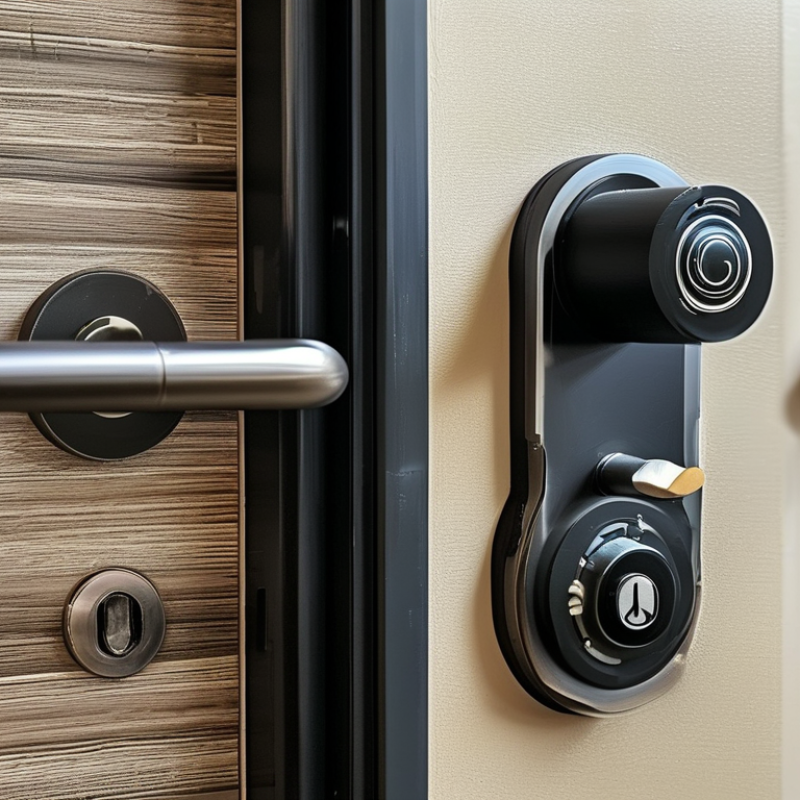
Wireless access control systems are increasingly crucial in modern security setups. They offer convenience while ensuring only authorized individuals can enter specific areas. These systems use various technologies, including RFID and biometrics, to manage access. As businesses seek efficient security measures, understanding their importance is vital.
Implementing wireless systems can prevent unauthorized access effectively. However, they also come with vulnerabilities. For instance, signal interference or hacking can compromise their effectiveness. Therefore, assessing these risks is essential for any organization.
Tips: Regularly update software and firmware to patch known vulnerabilities. Ensure strong encryption methods are in place. Periodically review access logs to identify any anomalies. By staying vigilant, organizations can enhance their wireless security posture. Addressing flaws and making necessary changes is a continual process.
Wireless access control systems are not immune to current security threats. Many organizations underestimate vulnerabilities. Hackers increasingly target weak points in wireless networks. Unencrypted signals can easily be intercepted. This exposes sensitive data and can lead to unauthorized access. The impact can be severe, especially in sensitive environments.
Common threats include signal jamming and spoofing. Intruders can disrupt communication within a system. This can lock out authorized users or create backdoors for themselves. Many organizations neglect regular security updates. Outdated firmware can be a gateway for attackers. The importance of routine security checks cannot be overstated.
Organizations must remain vigilant. Training staff about these risks is essential. Awareness is the first line of defense. Regular audits can identify potential vulnerabilities. A proactive approach helps secure access control systems. However, not every organization prioritizes these measures. This oversight can lead to significant data breaches.
Wireless access control systems are rapidly evolving. They enhance security through innovative technologies. Biometric authentication, for instance, is gaining traction. According to a report from MarketsandMarkets, the biometric access control market is expected to reach $34.5 billion by 2026. This growth indicates increased reliance on fingerprint, facial, and iris recognition.
Encryption technology is another critical enhancement. It ensures that data transmitted between devices remains secure. A study from Gartner shows that 60% of cybersecurity breaches target wireless communications. Therefore, robust encryption methods can significantly mitigate risks. Additionally, machine learning algorithms are improving the ability to detect anomalies in access events. These algorithms can identify potential threats before they escalate.
However, challenges remain. The rapid pace of technology can outstrip security measures. Often, users overlook the importance of regular updates to their systems. A significant percentage of security incidents arise from outdated software. Moreover, user awareness is crucial. Training users on potential threats can lower risks associated with wireless access control systems significantly. Organizations must continually reassess their security frameworks to address these vulnerabilities effectively.
Wireless access control systems offer convenience. However, they also introduce risks. Organizations must prioritize security to protect sensitive information.
Encryption is crucial for securing data transmission. Weak passwords can be easily compromised. It’s vital to use complex passwords and change them regularly. Implementing multi-factor authentication enhances security. This creates an additional layer for unauthorized access prevention.
Physical security often gets overlooked. Regular assessments of hardware vulnerabilities are essential. Consider potential environmental threats as well. Unauthorized access points may exist. Organizations should conduct regular security audits. Lessons learned from past incidents can lead to better practices. Engaging with security experts ensures strategies are up-to-date.
Wireless access control systems are evolving rapidly. In the next few years, we will see significant innovations in security technology. These systems are moving away from traditional methods to more advanced solutions that address current vulnerabilities.
One key trend is the integration of biometric authentication. This method is more secure than password alone. Facial recognition and fingerprint scanning can enhance access control precision. However, these technologies also raise privacy concerns. Striking a balance between security and user privacy will be a challenge.
Another emerging trend is the use of artificial intelligence to detect unauthorized access attempts. AI can analyze patterns in access data. This can help identify potential threats before they occur. Yet, there are risks associated with AI as well, including false positives and data handling issues. As technology advances, continuous evaluation will be necessary to ensure reliable security measures.
: Wireless access control systems manage entry to specific areas. They ensure only authorized individuals gain access.
They prevent unauthorized access using technologies like RFID and biometrics. This makes security setups more efficient.
Signal interference and potential hacking are common vulnerabilities. These can compromise the system's effectiveness.
Regular updates patch known vulnerabilities. Outdated firmware can be a weak point for attackers.
Training staff increases awareness of current risks. An informed team is essential for security resilience.
Signal jamming and spoofing can disrupt communication. Such actions may lock out authorized users or create risks.
This method offers more security than passwords. However, privacy concerns arise with technologies like facial recognition.
AI is being used to detect unauthorized access attempts. It helps identify threats, but there are risks like false positives.
Regular audits can identify vulnerabilities. Many organizations overlook this, which can lead to significant data breaches.
No, a continual evaluation is necessary. Addressing flaws in security measures is critical for effective protection.
Wireless access control systems have become integral to modern security infrastructure, providing convenient and efficient management of access to physical spaces. This article explores the critical question of how secure are wireless access control systems, addressing current security threats such as hacking, unauthorized access, and signal interference.
To combat these vulnerabilities, advancements in encryption technology and authentication methods have been developed, enhancing the overall security of these systems. Implementing best practices, such as regular updates and employee training, is essential for maintaining robust security. Additionally, the future of wireless access control is likely to be shaped by innovations that focus on artificial intelligence and machine learning, promising to further strengthen system resilience and response to emerging threats.

SMTR SmartLiving