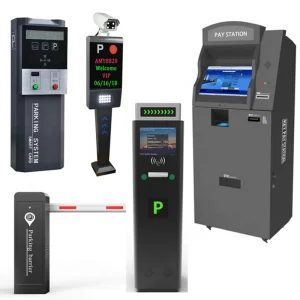
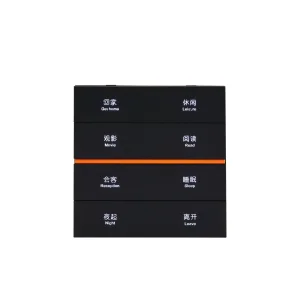
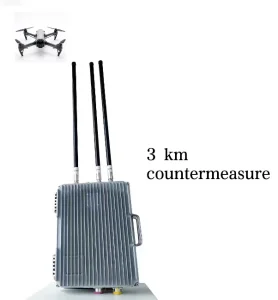
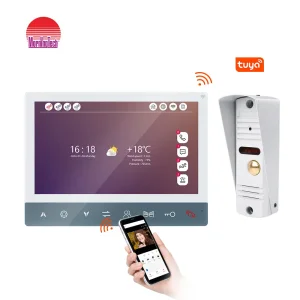
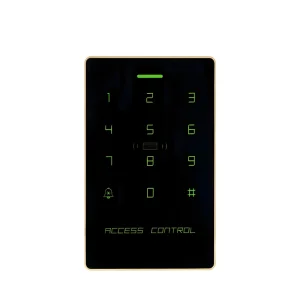
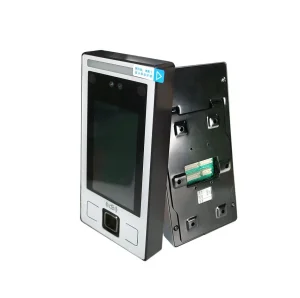
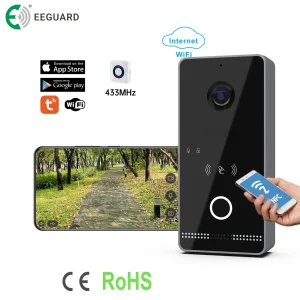
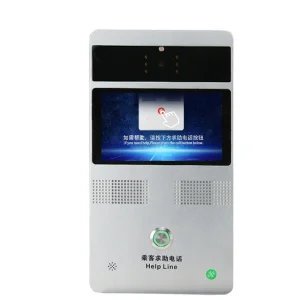
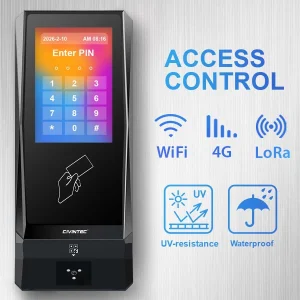
Explore our elite range of Smart IoT Edge terminals, cloud-based keypads, smart parking solutions, and high-definition video doorbells engineered for scalable global deployment.
Strategic insights into manufacturing excellence, biometrics algorithm maturity, and hardware-software integration.
The Southern China electronics cluster (centered around Shenzhen and Guangzhou) provides an unmatched ecosystem. By combining sensor manufacturers, lens mold designers, NPU SoC vendors (such as Rockchip, HiSilicon), and assembly lines within a 50km radius, factories offer accelerated prototype turnarounds and immense cost-performance benefits.
The biometrics industry is shifting aggressively towards edge-to-cloud computing. Open API/SDK structures running on Embedded Linux or Android operating systems are replacing closed, proprietary microcontrollers. This allows seamless API call-backs to municipal cloud platforms, enterprise HR systems, or building automation suites.
Compliance is the cornerstone of export reliability. Top factories build devices adhering strictly to CE, FCC, RoHS, and UL certificates, while matching GDPR privacy regulations through on-device hashing methods that prevent raw biometrics data extraction from the flash memory.
Detailed profile of Guangzhou SMTR SmartLiving Co., Ltd. and their technological footprint.
Guangzhou SMTR SmartLiving Co., Ltd. is a trusted China-based supplier of access control and video door phone systems, specializing in advanced smart home security and intelligent entry management solutions. Headquartered in Guangzhou, the company integrates R&D, manufacturing, and global distribution to deliver reliable and user-friendly security technologies for residential and commercial applications.
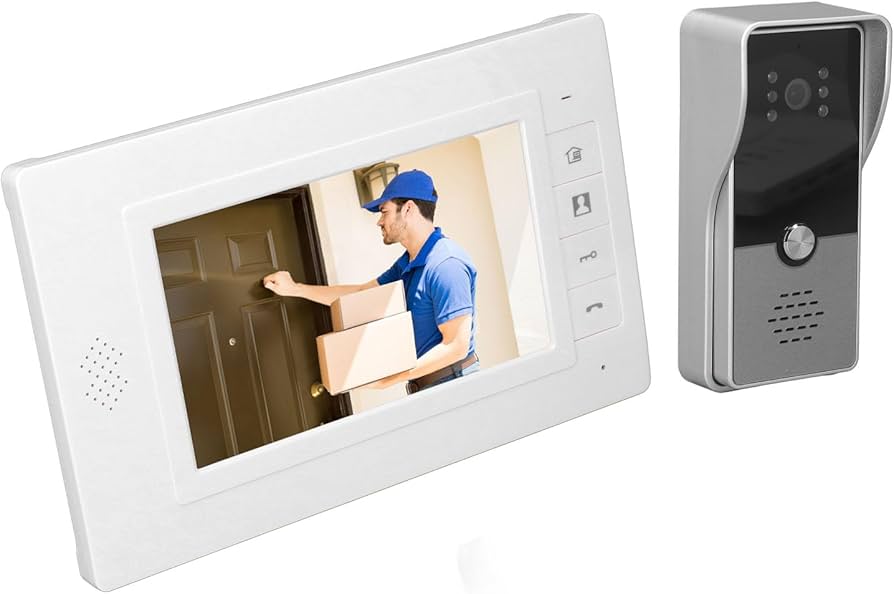
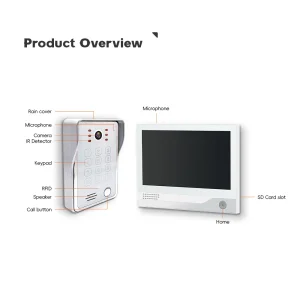
SMTR SmartLiving offers a comprehensive product portfolio, including video door phones, smart doorbells, biometric and RFID access control systems, and cloud-based management platforms. Designed with a focus on convenience, safety, and connectivity, its solutions enable real-time monitoring, remote access, and seamless integration with modern smart home ecosystems.
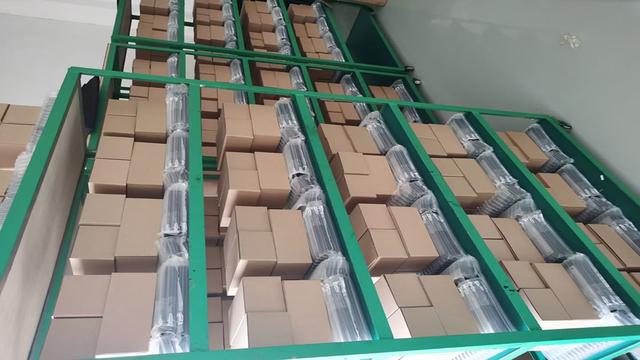
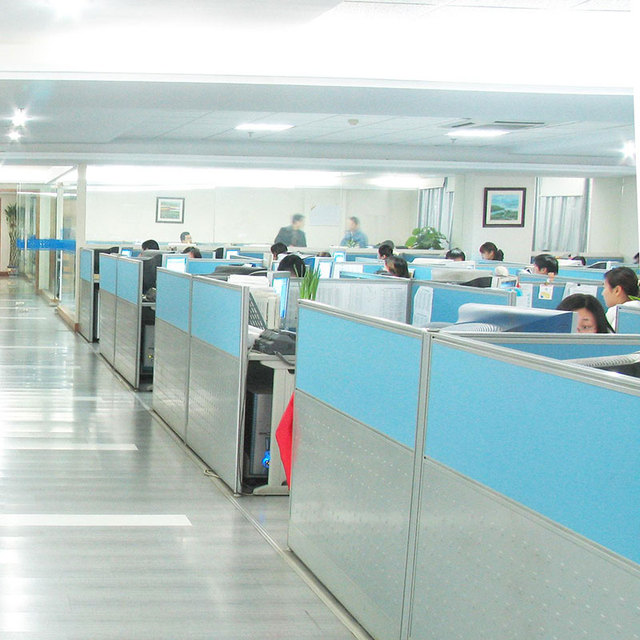
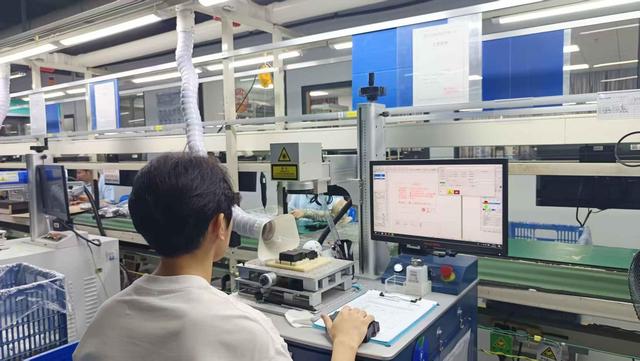
Backed by a skilled engineering team and modern production facilities, the company ensures high product quality through strict testing procedures and compliance with international standards. SMTR also provides flexible customization services to meet diverse project requirements, from apartment complexes and villas to office buildings and industrial sites.
Driven by innovation and customer satisfaction, Guangzhou SMTR SmartLiving is committed to creating smarter, safer living environments. By combining cutting-edge technology with practical design, the company empowers clients worldwide with efficient, scalable, and future-ready security solutions.
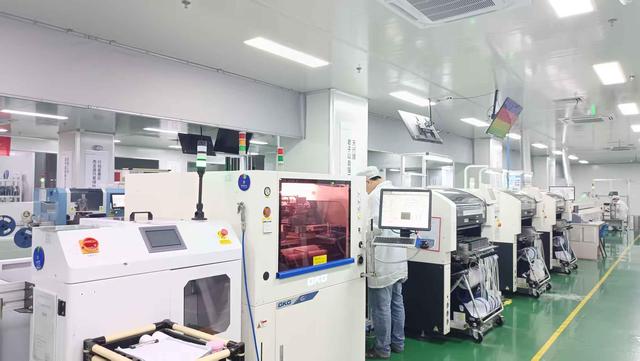
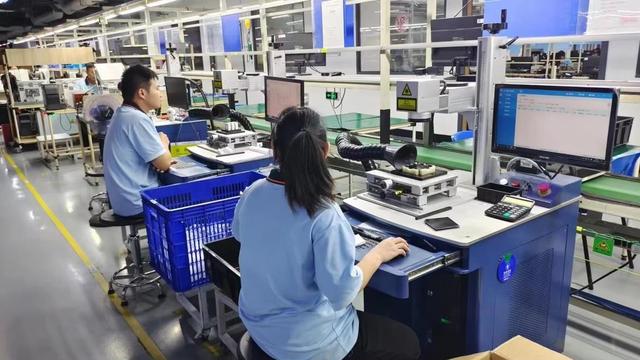
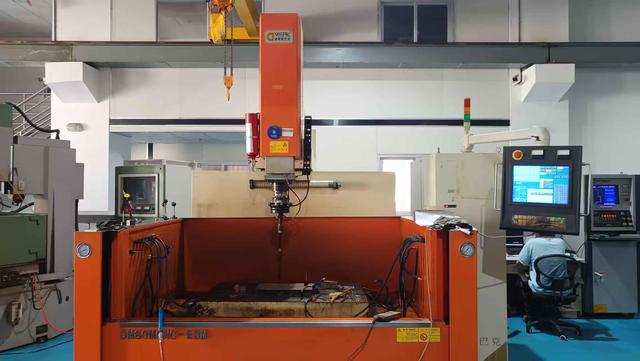
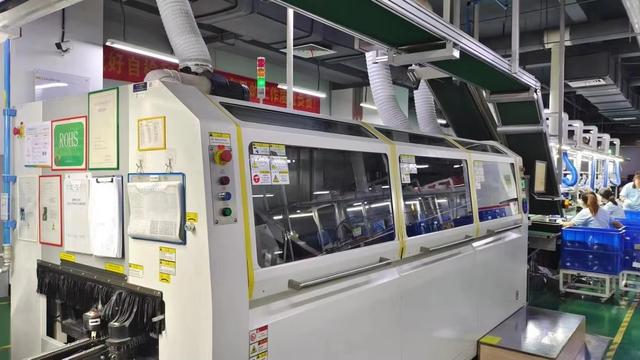
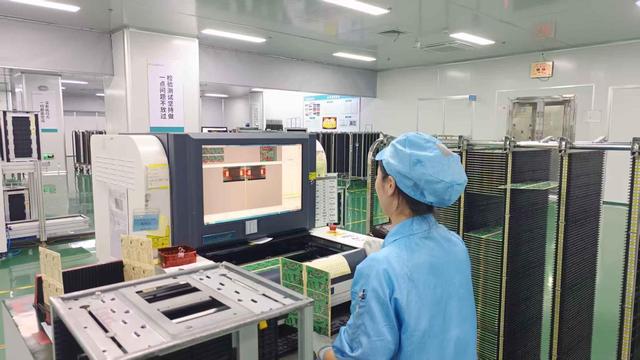
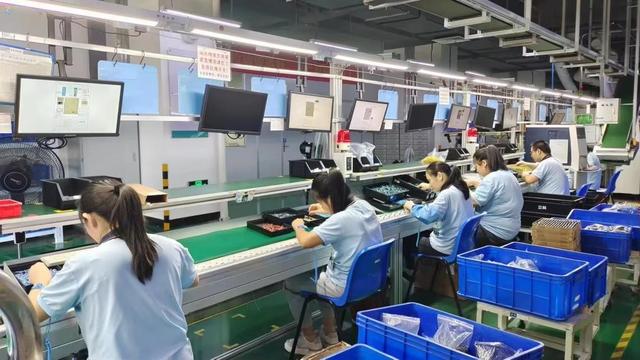
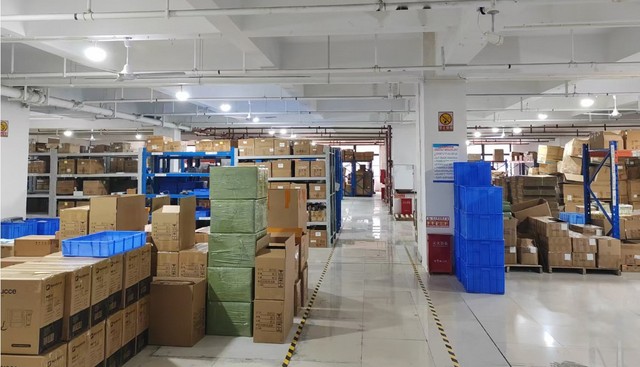
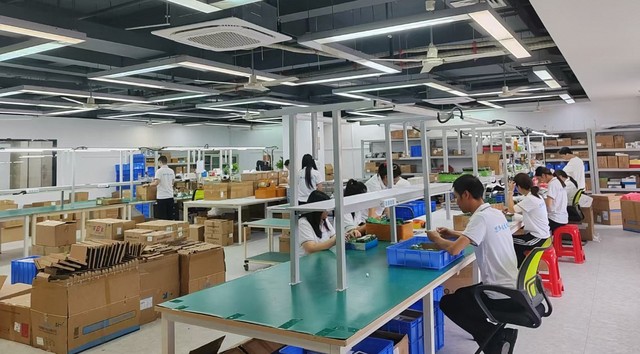
Targeted deployment scenarios engineered to solve high-throughput, security-first access bottlenecks.
Integrate multi-modal biometrics (facial + fingerprint + card) with centralized AD/LDAP database infrastructures. Enables automated visitor management, cloud-based dynamic whitelist sync, and instant anti-passback protections across multiple regional facilities.
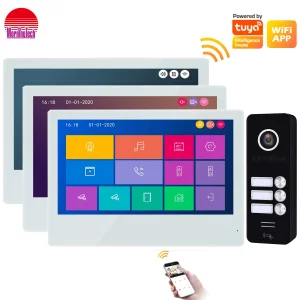
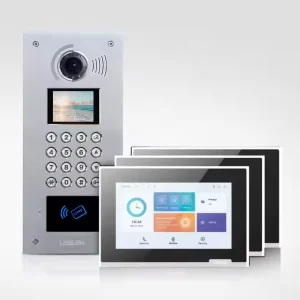
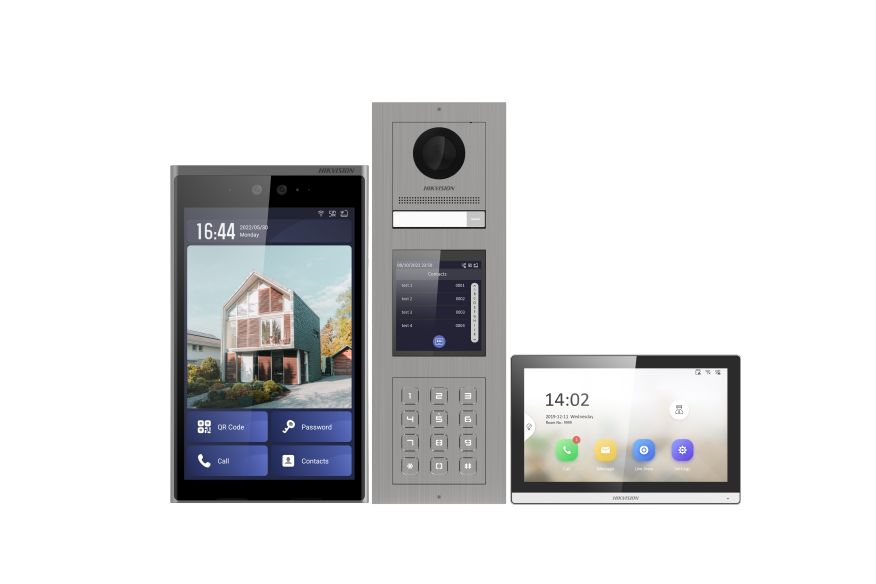
Combines SIP/IP indoor video door phones with exterior face recognition gate control. Features temporary QR-code generation options for visitors, Tuya/SmartLife IoT application connectivity, and high-performance night vision capabilities.
Ruggedized IK08 & IP66 external terminals coupled with smart license plate recognition systems (LPR). Supports heavy vehicle gate control, automated forklift classification, and personnel thermal scanning for occupational safety compliances.
Essential answers to direct procurement queries, engineering integrations, and system customizability.
Complete your integrated architectural security layout with our secondary smart control lines, access switchboards, and surveillance systems.
 SMTR SmartLiving