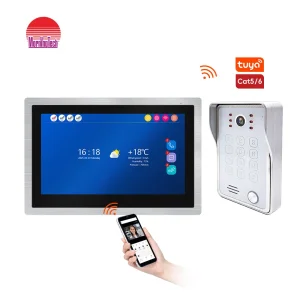
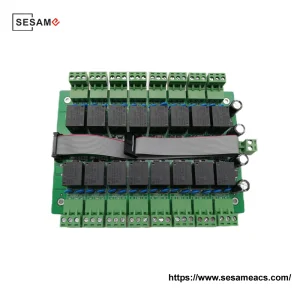
In the contemporary digital landscape, the definition of "home security" has undergone a radical transformation. It is no longer merely about physical barriers or simple alarms; it is about the integration of IoT (Internet of Things), Artificial Intelligence (AI), and cloud-native management systems. As the world moves toward smarter urban infrastructure, the demand for sophisticated access control, facial recognition, and real-time remote monitoring has skyrocketed.
At the heart of this global demand lies China’s manufacturing prowess, specifically the shift toward Industry 4.0. Manufacturers like Guangzhou SMTR SmartLiving Co., Ltd. leverage advanced automation, precision engineering, and highly efficient supply chains to deliver products that balance affordability with high-end performance. The "resilience" of the Chinese supply chain is not just about volume; it's about the ability to adapt to specific international standards, from Chile's market requirements to European CE compliance, ensuring that local security needs are met with global-grade hardware.
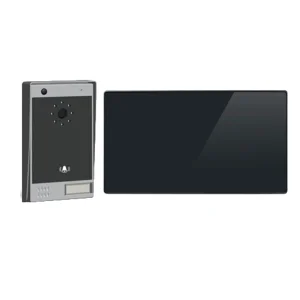
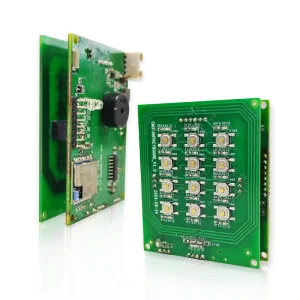
Guangzhou SMTR SmartLiving Co., Ltd. stands as a premier beacon in the access control and video door phone industry. By internalizing the entire R&D and manufacturing lifecycle, they eliminate the inefficiencies typical of third-party procurement. Their expertise covers:
Global procurement teams often struggle with the "one size fits all" fallacy. Effective smart security strategy requires localization. Whether it’s an apartment complex in Southeast Asia requiring high-humidity resistant hardware, or an industrial site in the Americas needing robust lift control and access logging, the supplier must offer custom firmware and localized user interfaces. This is where SMTR's flexibility shines—providing solutions that are not just "off the shelf" but engineered for the deployment environment.
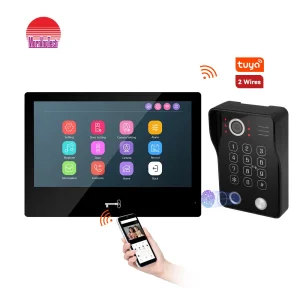
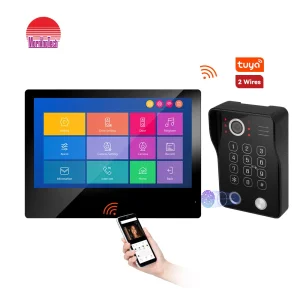
A: While wireless is convenient, 2-wire bus systems provide unmatched stability, long-distance signal transmission without interference, and are the gold standard for retrofitting older buildings where cabling infrastructure is limited but reliability is non-negotiable.
A: SMTR employs strict testing procedures at every stage of production, from component sourcing to finished goods burn-in tests, adhering to international ISO standards to ensure long-term durability in diverse climates.
A: A trusted supplier offers more than hardware; they offer a roadmap for integration, comprehensive API support for third-party smart home platforms, and consistent post-purchase technical support—all of which are hallmarks of SMTR’s operation.
 SMTR SmartLiving