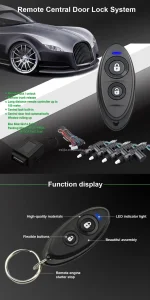
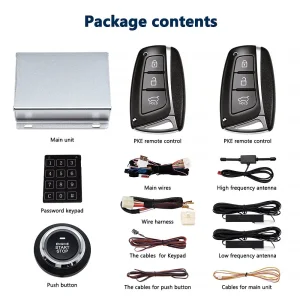
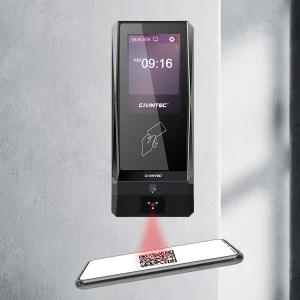
Our leading hardware lines engineered for maritime resilience, high security, and seamless platform integration across South Korea's core developments.
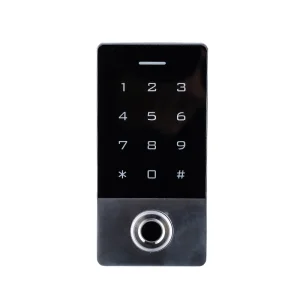
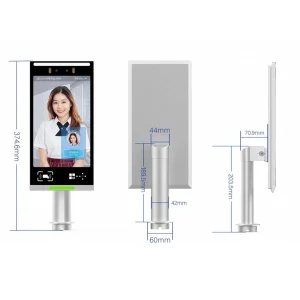
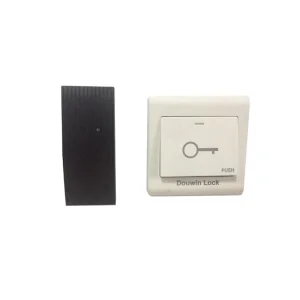
As South Korea's principal maritime gate and the second-largest metropolitan area, Busan is undergoing a massive digital metamorphosis. Projects like the Busan Eco Delta Smart City (EDC) set global benchmarks for integrated IoT infrastructure. With rapid commercial, residential, and industrial expansions in Haeundae, Centum City, and the Port of Busan, security systems must evolve beyond isolated hardware locking mechanisms into unified, cloud-ready cyber-physical entry platforms.
The regional demand for smart door lock systems is characterized by highly specific operational environments. High-rise coastal residential towers demand premium aesthetic integration paired with absolute resilience against high wind-loads and humid, salt-laden marine air. Simultaneously, corporate spaces require multi-tenant, cloud-managed SDK integrations that bridge physical barriers, employee attendance protocols, and elevator control sub-systems into a centralized dashboard.
Guangzhou SMTR SmartLiving Co., Ltd. addresses this segment by exporting specialized access hardware built on advanced biometric, RFID, and Linux-based platforms. These units satisfy stringent security standards while integrating seamlessly with local South Korean home network standardizations, bringing high information gain, superior reliability, and localized engineering to Korean system integrators.
Key market paradigms shaping modern electronic lock purchasing, procurement cycles, and technological developments.
Global procurement teams prioritize security systems supporting API-first connectivity, allowing seamless bridges between platforms like Tuya WiFi, Zigbee, and Linux-based local server environments.
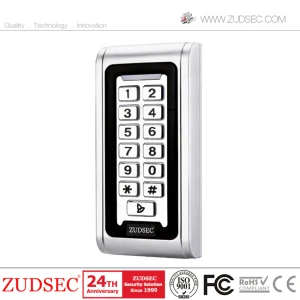
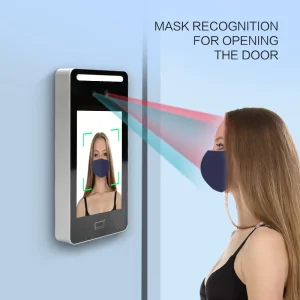
Multi-factor verification—including 3D structured-light facial recognition, under-glass fingerprint readers, and dynamic QR keys—is replacing outdated static PINs across modern high-occupancy projects.
Busan's coastal conditions necessitate locksets with anti-corrosion properties. High-grade alloys, specialized gaskets, and high IP ratings (IP54 to IP67) are standard components of modern structural specifications.
Expanding security envelopes from heavy-duty exterior cast aluminum entries to localized logistics fleet locking technologies.
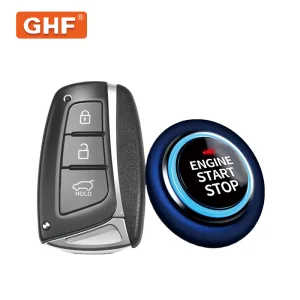
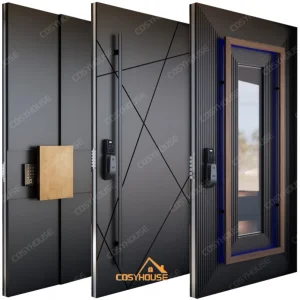
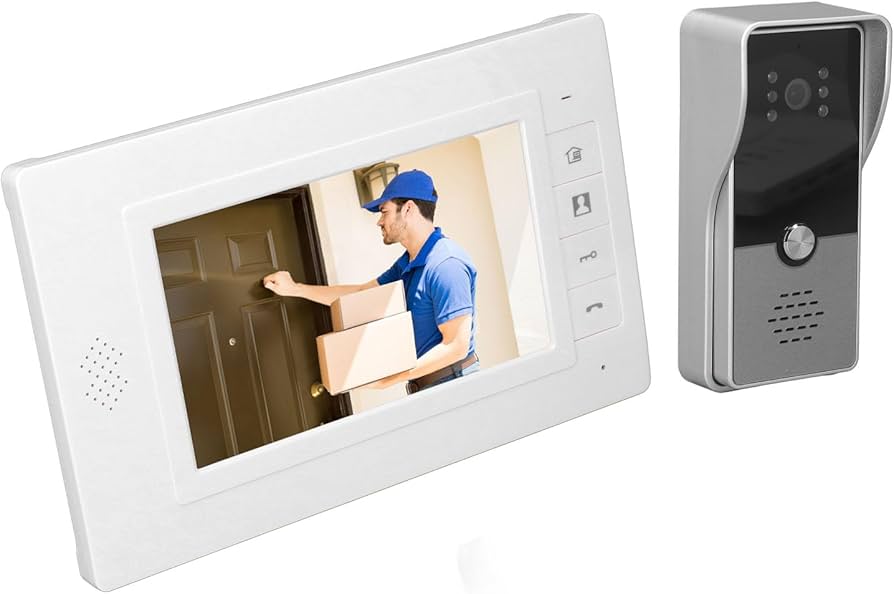
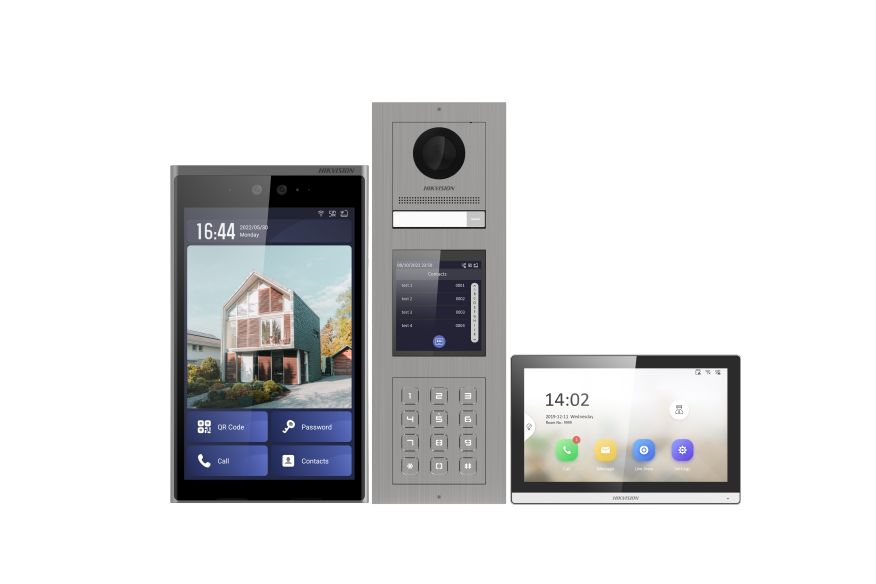
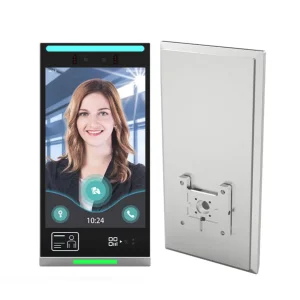
For large-scale structural installations in metropolitan areas like Busan, deploying isolated door locks is no longer sufficient. Enterprise projects demand Integrated Access Architectures. SMTR SmartLiving bridges physical access points with vertical mobility. Our elevator integration protocols link digital touch-screen door systems directly with elevator controllers via Wiegand and RS485 interfaces. This ensures that when a resident passes through a facial-recognition main entrance or unlocks their apartment, a specific elevator is dispatched automatically to their floor.
Furthermore, cloud integrations using private-tenant servers or established ecosystems like Tuya Smart provide building administrators with real-time analytics. Security staff can manage hundreds of entry locks, adjust clearance rules dynamically, audit passage logs, and issue temporary dynamic QR codes for visitors—all protected by end-to-end AES-128 cryptographic structures.
On the hardware level, we build with precision-machined cast aluminum housings and high-hardness tempered glass touch surfaces. Our locks are designed to perform reliably through millions of cycles, resisting surface wear and impact, making them ideal for high-traffic zones like hotel lobbies and commercial buildings in coastal South Korea.
Technical engineering adaptations made to ensure smooth integration with regional electrical systems and local building regulations.
Our products are engineered with compatibility options for standard Korean narrow-profile mortises, matching local door frame sizes to minimize on-site modifications during retrofits.
Internal hardware platforms are designed with premium, low-noise electromagnetic shielding, simplifying the compliance pathway for local importers seeking Korea Certification (KC) marks.
We implement local encryption standards, secure boot verification, and encrypted biometric templates on-device to align with Korean Internet & Security Agency (KISA) baseline recommendations.
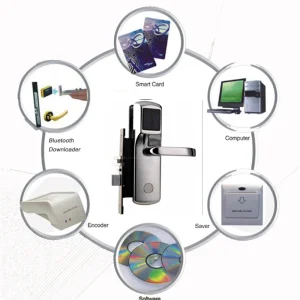
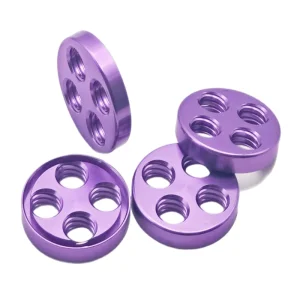
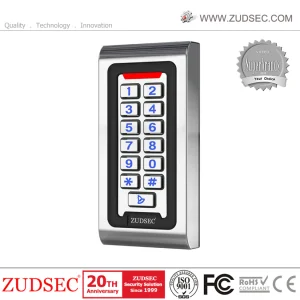
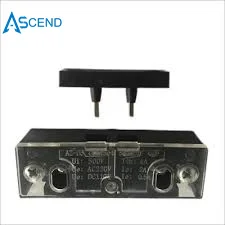
Explore our full line of access controls, integrated elevator systems, and commercial glass door lock assemblies.
Learn more about our manufacturing framework, quality standards, and design philosophy.
Guangzhou SMTR SmartLiving Co., Ltd. is a trusted China-based supplier of access control and video door phone systems, specializing in advanced smart home security and intelligent entry management solutions. Headquartered in Guangzhou, the company integrates R&D, manufacturing, and global distribution to deliver reliable and user-friendly security technologies for residential and commercial applications.
SMTR SmartLiving offers a comprehensive product portfolio, including video door phones, smart doorbells, biometric and RFID access control systems, and cloud-based management platforms. Designed with a focus on convenience, safety, and connectivity, its solutions enable real-time monitoring, remote access, and seamless integration with modern smart home ecosystems.
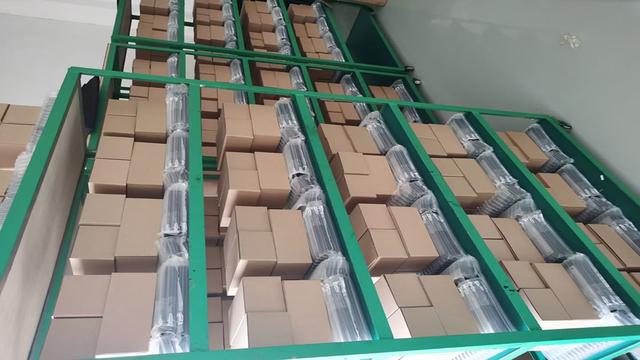
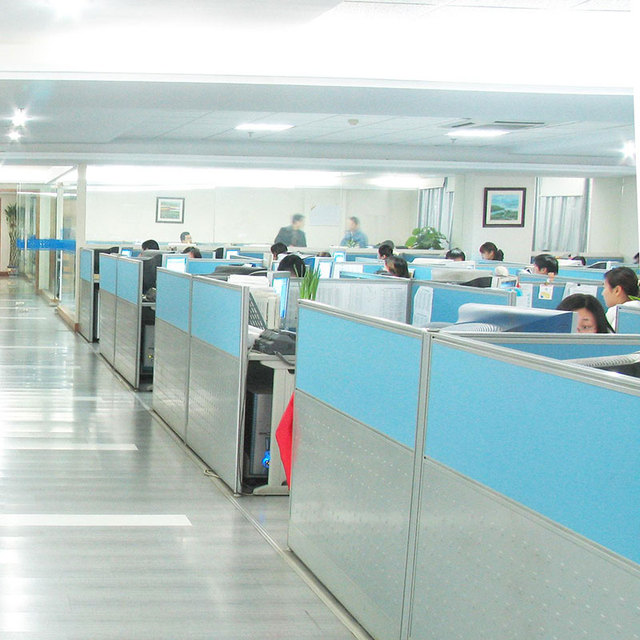
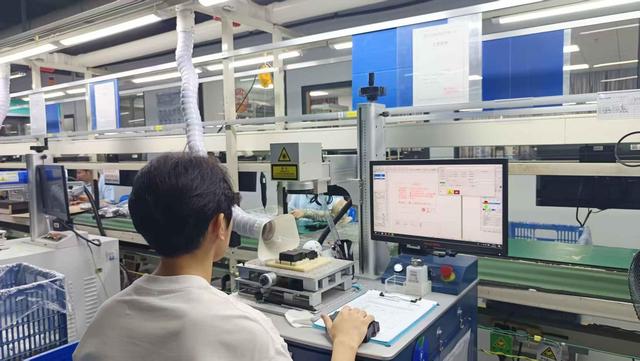
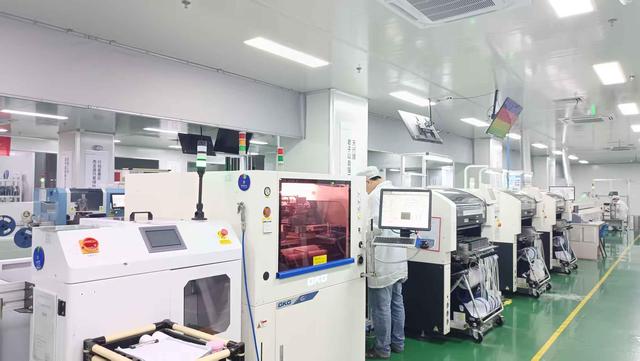
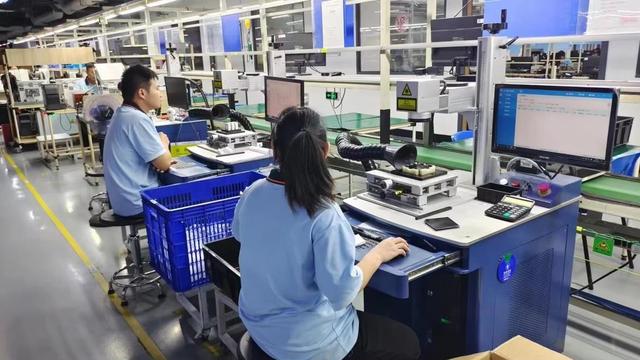
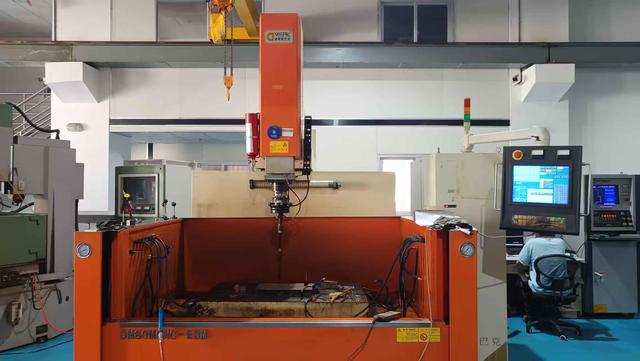
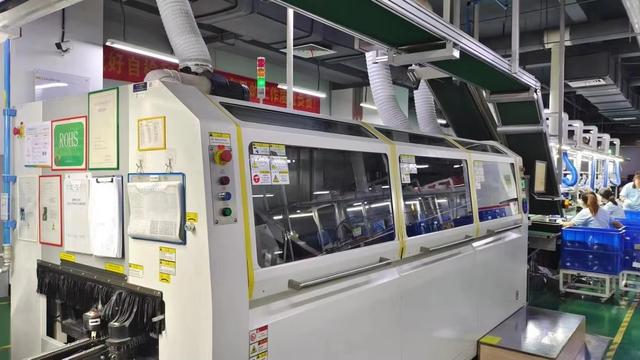
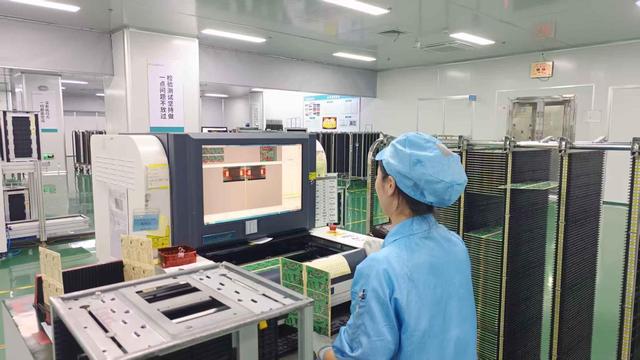
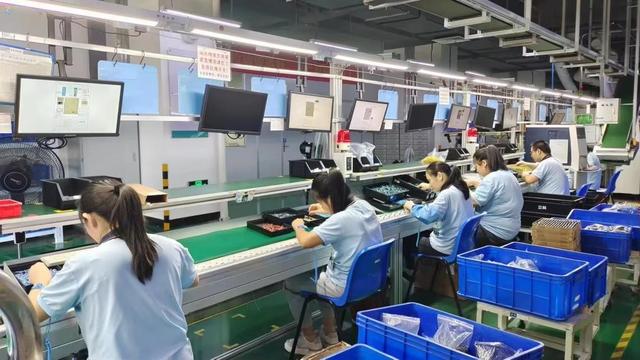
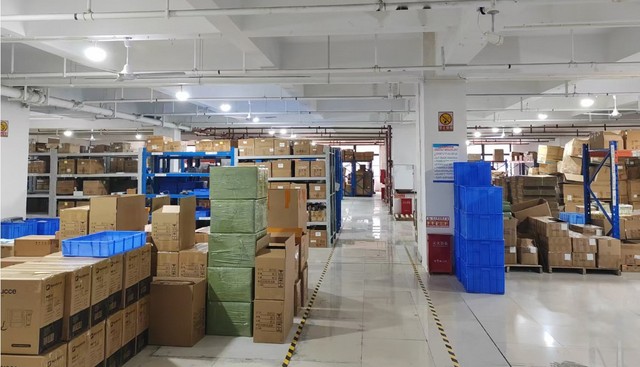
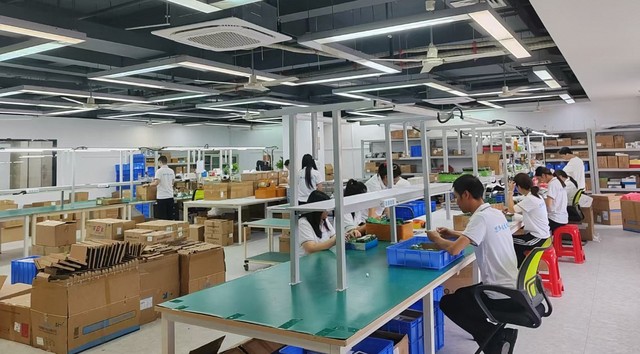
Backed by a skilled engineering team and modern production facilities, the company ensures high product quality through strict testing procedures and compliance with international standards. SMTR also provides flexible customization services to meet diverse project requirements, from apartment complexes and villas to office buildings and industrial sites.
Driven by innovation and customer satisfaction, Guangzhou SMTR SmartLiving is committed to creating smarter, safer living environments. By combining cutting-edge technology with practical design, the company empowers clients worldwide with efficient, scalable, and future-ready security solutions.
Our long-term development milestones tracking the integration of advanced biometrics, smart grids, and localized communications.
Transitioning from server-reliant database matching to localized, sub-0.1s facial and palm-vein identification algorithms directly on the device chip.
Unifying product platforms under the universal Smart Home protocol "Matter", ensuring native compatibility with SmartThings, Apple Home, and local platforms.
Standardizing system connectivity interfaces for seamless coupling with public management networks, such as the Busan Eco Delta management platform.
Implementing low-power kinetic harvesting tech and ultra-low consumption standby chips to decrease battery replacement frequencies in commercial properties.
Technical answers to typical procurement, engineering, and logistics questions from South Korean system integrators.
Contact our engineering sales division to obtain technical datasheets, CAD drawings, compliance documentation, and price quotes customized for your project scope.
Send Inquiry Now SMTR SmartLiving