
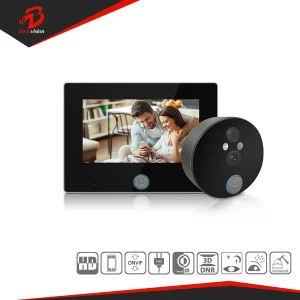
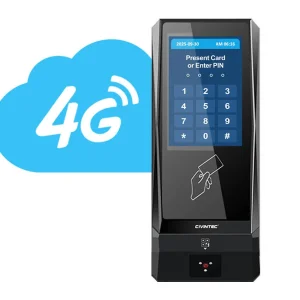
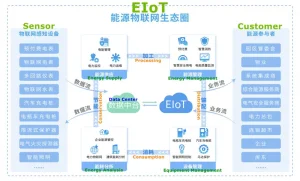
The global paradigm of architectural security has undergone a rapid, irreversible shift. Analog point-to-point intercoms have been outmoded by highly connected, IoT-enabled door entry and control systems. Driven by the proliferation of cloud infrastructure, Session Initiation Protocol (SIP), and localized Edge-AI processing, contemporary intercom systems serve as the critical gateway for modern building management systems (BMS).
Today, these terminals do not merely stream two-way audio and low-resolution video; they perform local biometric verification, monitor environmental conditions, manage local power profiles via advanced power-saving architectures, and function dynamically within heterogeneous networks. This transition relies on robust hardware performance and seamless software integration, positioning manufacturers who offer end-to-end customization, high-speed SMT assembly, and verified certification standards at the forefront of the commercial and residential security market.
Selecting the ideal IoT intercom manufacturer requires evaluating their API and SDK openness, support for global IoT ecosystems (like Tuya, Home Assistant, and Crestron), hardware resilience (IK10/IP66 ratings), and ability to guarantee reliable, long-term maintenance of the device's firmware and security certificates.
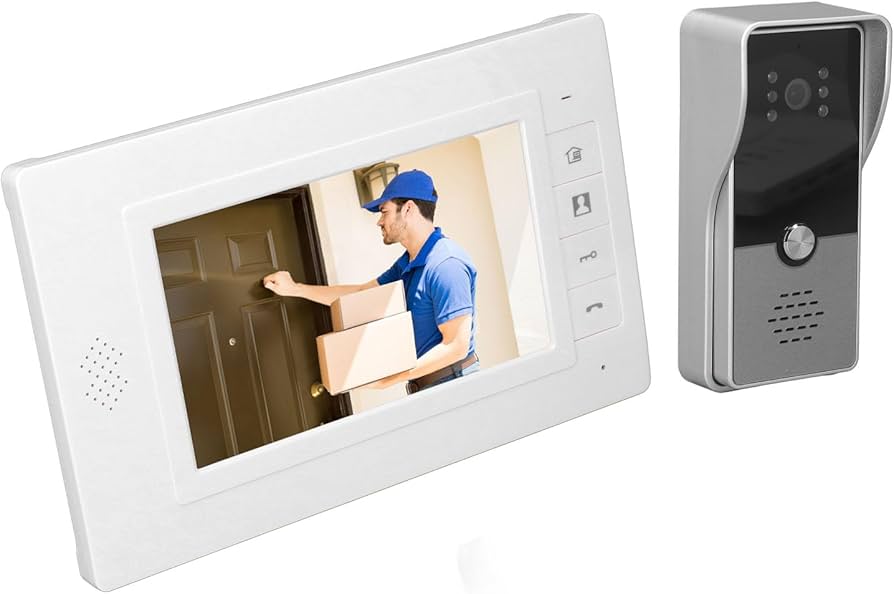
Modern multi-family residential setups require high-density, multi-tenant directory displays, digital guest keys, and smartphone app-based unlocking. IoT intercoms integrate with indoor Linux/Android panels and cloud applications via Wi-Fi or 2-wire setups. This integration allows users to issue QR codes for delivery personnel and unlock gates remotely while tracking detailed access logs.
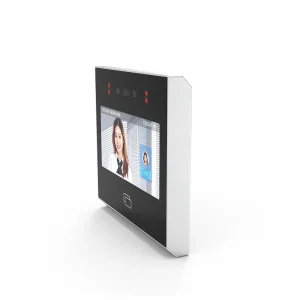
In smart office configurations, corporate security directories must sync with cloud identity platforms (such as Azure AD or Okta). IoT intercom terminals, paired with dual-frequency RFID scanners and high-precision biometric modules, enable seamless, touchless authentication. These terminals generate secure event trails, and support SIP-trunking for remote office reception routing.
Industrial sites deploy heavy-duty intercom systems to manage gate access for transport fleets and monitor secure zones. These devices are built to withstand dust and moisture, featuring IK10 impact ratings, and integrated License Plate Recognition (LPR) cameras. They interface directly with automated barriers, industrial alarm horns, and remote central control rooms.
Guangzhou SMTR SmartLiving Co., Ltd. is a trusted China-based supplier of access control and video door phone systems, specializing in advanced smart home security and intelligent entry management solutions. Headquartered in Guangzhou, the company integrates R&D, manufacturing, and global distribution to deliver reliable and user-friendly security technologies for residential and commercial applications.
SMTR SmartLiving offers a comprehensive product portfolio, including video door phones, smart doorbells, biometric and RFID access control systems, and cloud-based management platforms. Designed with a focus on convenience, safety, and connectivity, its solutions enable real-time monitoring, remote access, and seamless integration with modern smart home ecosystems.
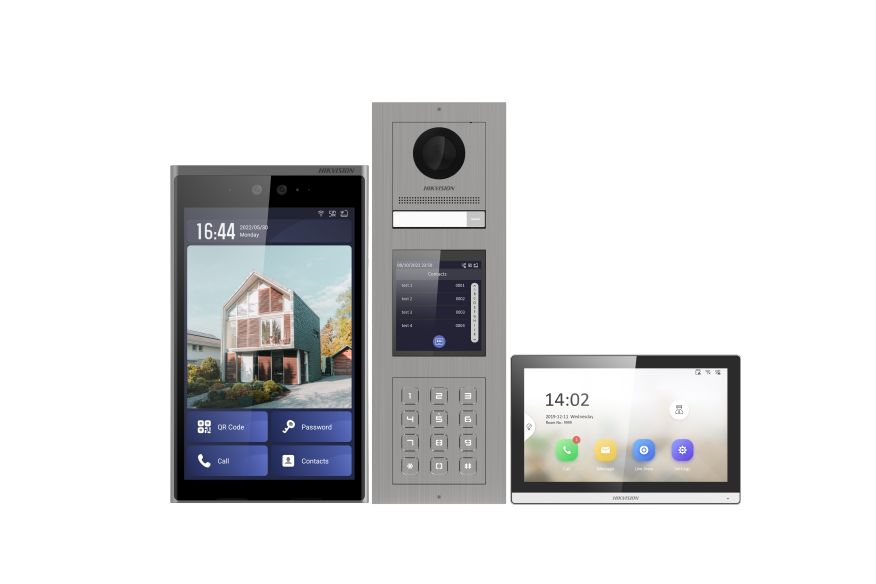

Guangzhou and the surrounding Pearl River Delta area stand as the world's most integrated manufacturing ecosystem for smart electronics and IoT access control hardware. This concentration provides significant advantages, including:
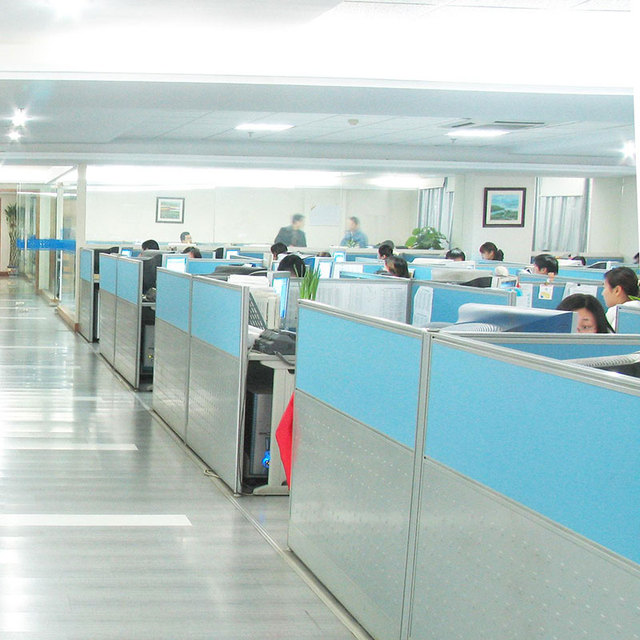
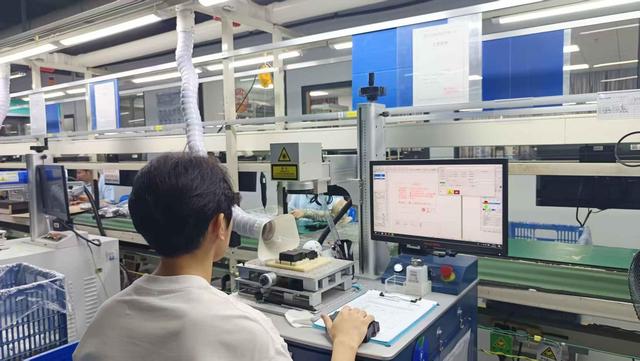
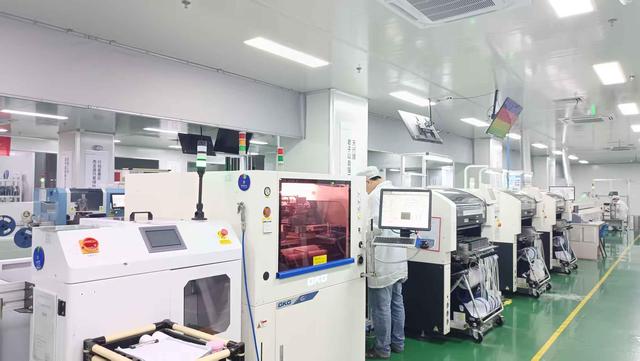
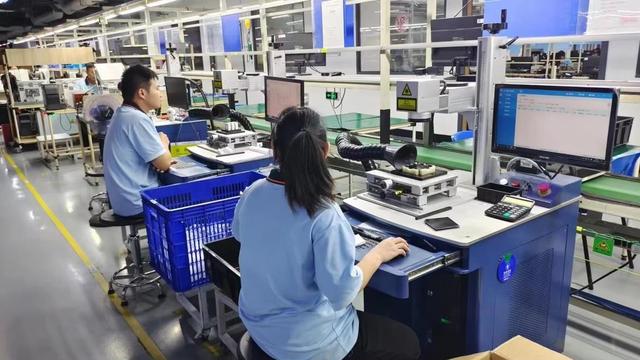
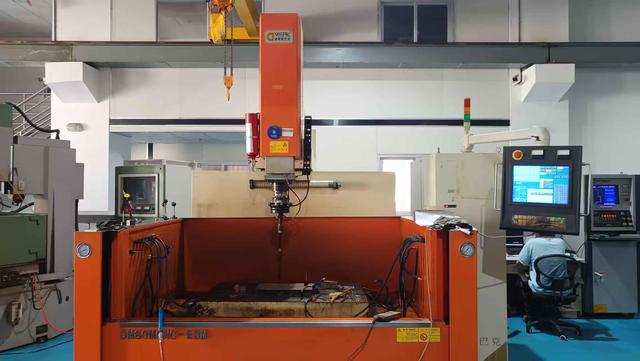
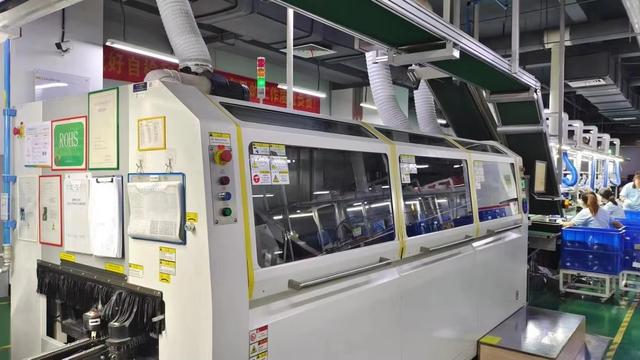
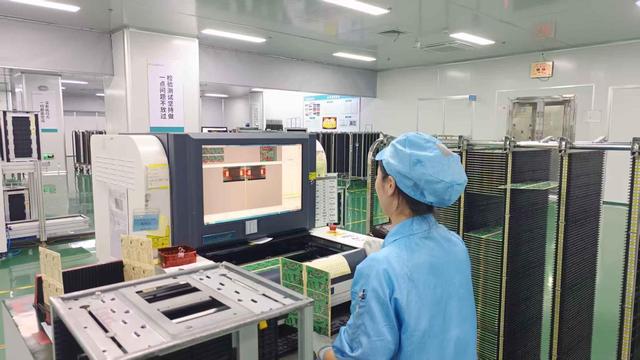
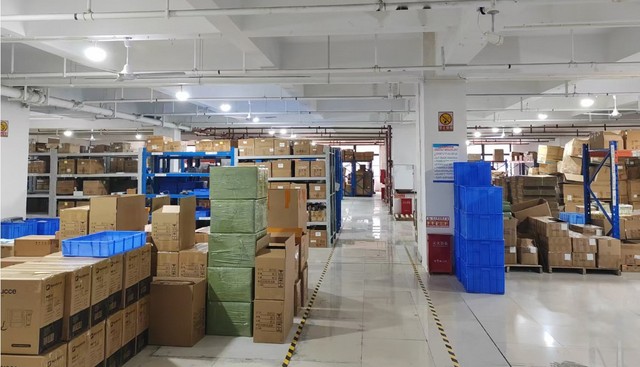
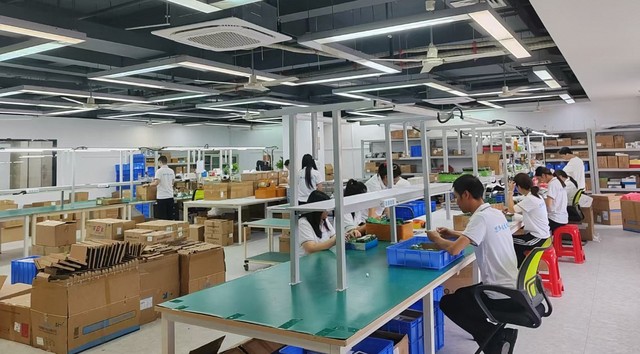
Backed by a skilled engineering team and modern production facilities, Guangzhou SMTR SmartLiving ensures high product quality through strict testing procedures and compliance with international standards. SMTR also provides flexible customization services to meet diverse project requirements, from apartment complexes and villas to office buildings and industrial sites.
Driven by innovation and customer satisfaction, Guangzhou SMTR SmartLiving is committed to creating smarter, safer living environments. By combining cutting-edge technology with practical design, the company empowers clients worldwide with efficient, scalable, and future-ready security solutions.

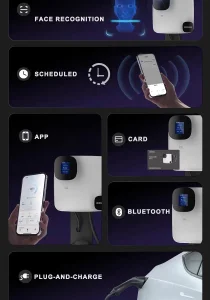
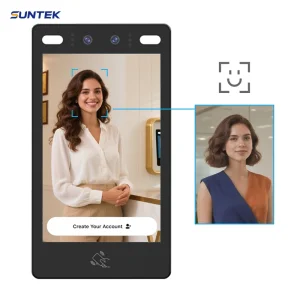
Modern intercom terminals are moving away from cloud-reliant biometric processing. By incorporating specialized Neural Processing Units (NPUs) into their chipsets, systems can securely store and match face models, iris details, and palm veins at the edge in less than 200 milliseconds. This local execution ensures uninterrupted access control and enhances security, even in the event of a network outage.
The lack of interoperability between different smart home platforms has historically been a significant challenge. The adoption of open smart home standards like Matter and Thread enables direct communication between intercom systems, smart locks, lights, and climate systems. Alongside SIP 2.0, this compatibility ensures seamless audio-video integration across varied hardware environments.
With sustainability becoming a priority in building management, future intercom systems will deploy dynamic power scheduling. By utilizing ultra-low power standby modes and quick-wake sensors, modern systems optimize energy use. Outdoor components can also utilize solar panels and smart battery modules for cordless installation.
Deploying IoT-enabled intercoms globally requires strict adherence to security and data privacy regulations. Because these systems process video, audio, and biometrics, compliance is essential to gain the trust of enterprise users.
| Compliance Domain | Key Regulatory Standard | Technical Target |
|---|---|---|
| Data Privacy | GDPR (Europe), CCPA (California) | Local data encryption, consent UI, local storage option |
| Acoustic / Visual Access | ADA (Americans with Disabilities Act) | Text-to-Speech, braille buttons, hearing loop support |
| Radio/EMC Emissions | FCC Part 15, CE RED Directive | RF shielding, clean Wi-Fi/LTE band coexistence |
| Environmental Build | RoHS 3, WEEE, IP66 / IK10 | Lead-free soldering, impact resilience, water ingress prevention |
High-tier manufacturers provide developers and integration partners with local SIP servers (STUN/TURN/ICE) to minimize video latency across international networks. Additionally, offering detailed SDK libraries and Open APIs enables system integrators to adapt local user flows for localized billing, package delivery notification, and security desk monitoring.
SIP-based systems leverage standard VoIP protocols, allowing intercom calls to route through existing IP telephony networks, unified communication software, or mobile applications. This compatibility makes integration with third-party security systems, IP phones, and cloud monitoring tools straightforward, eliminating vendor lock-in.
Yes, highly engineered systems use hybrid Edge-Cloud setups. Local access cards, RFID, and facial biometrics continue to function offline because user profiles are stored locally in the intercom's memory. Video calls can route over the local LAN to indoor monitors, though cloud-reliant push notifications to mobile apps may be suspended until internet connectivity is restored.
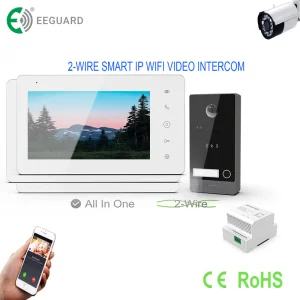
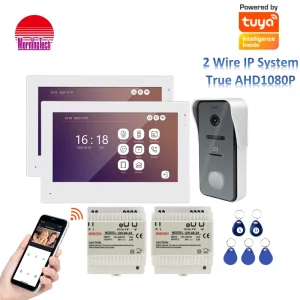
Retrofitting historic buildings with new Ethernet cables (Cat5e/Cat6) can be difficult and costly. Modern 2-wire IP converters transmit power and data simultaneously over existing analog copper wires. This configuration supports high-resolution IP video and network intercom functions without the need for rewiring.
Leading manufacturers implement TLS/SRTP protocol stacks to encrypt both signaling and media streams. They also use dynamic firmware signing to prevent unauthorized modification, and ensure their systems comply with data privacy frameworks like GDPR and CCPA.

 SMTR SmartLiving