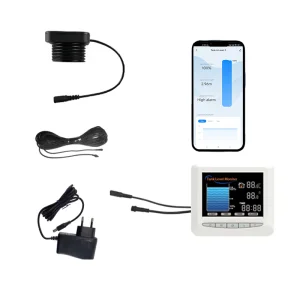
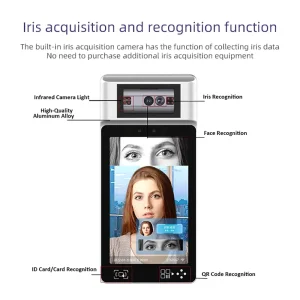
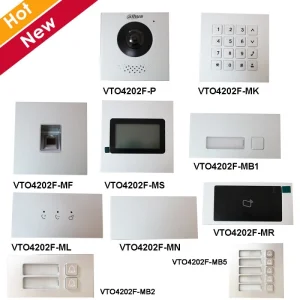
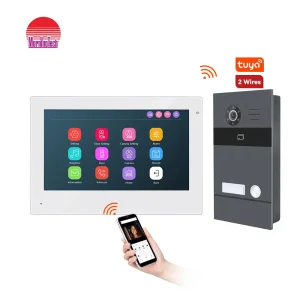
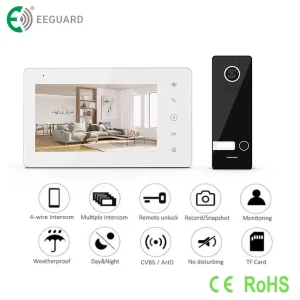
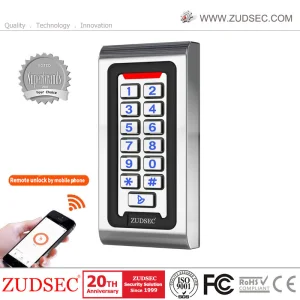
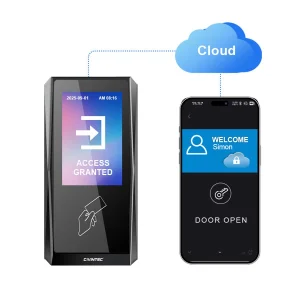
Explore high-reliability hardware platforms, smart video intercoms, and biometric interfaces engineered for modern security integration.
Analyzing the industry’s key hardware developers, platform engineers, and integrated system suppliers configuring the global market.
Widely regarded as the industry benchmark for secure identity solutions. HID leads in smart card technologies, mobile credentials, and physical access readers utilizing Seos architecture to secure enterprise facilities globally.
A powerhouse in opening solutions. ASSA ABLOY’s catalog encompasses electromechanical locks, architectural hardware, and comprehensive smart locking systems that integrate with building management protocols.
Delivers enterprise-grade management platforms like NetAXS and Pro-Watch. Honeywell excels in complex multi-site deployment, video-access unification, and critical infrastructure monitoring.
Pioneering IP-centric access hardware with exceptional reliability. Bosch systems link intrusion alarms, video intelligence, and advanced door management under the Access Engine (ACE) software paradigm.
Defined by its open-architecture credentials. LenelS2’s OnGuard platform coordinates security elements across multinational corporations, integrating custom third-party databases, biometric keys, and CCTV feeds.
Renowned for leading the migration to network IP security. Axis offers open network controllers, physical security stations, and PoE-powered solutions that remove complex dedicated power supplies.
A global leader in biometrics. Suprema integrates facial recognition, fingerprint verification, and multi-credential RFID readers with their comprehensive BioStar platform for high-security areas.
Pioneering wire-free smart lock technologies. SALTO’s Virtual Network (SVN) uses data-on-card architecture, allowing offline electronic locks to read, write, and transmit status updates via user keycards.
Offers integrated access control, perimeter security, and intrusion detection. Gallagher’s Command Centre provides deep analytical capabilities and strict identity enforcement for government, defense, and mining operations.
Guangzhou SMTR SmartLiving Co., Ltd. is a trusted China-based supplier of access control and video door phone systems, specializing in advanced smart home security and intelligent entry management solutions. Headquartered in Guangzhou, the company integrates R&D, manufacturing, and global distribution to deliver reliable and user-friendly security technologies for residential and commercial applications.
SMTR SmartLiving offers a comprehensive product portfolio, including video door phones, smart doorbells, biometric and RFID access control systems, and cloud-based management platforms. Designed with a focus on convenience, safety, and connectivity, its solutions enable real-time monitoring, remote access, and seamless integration with modern smart home ecosystems.
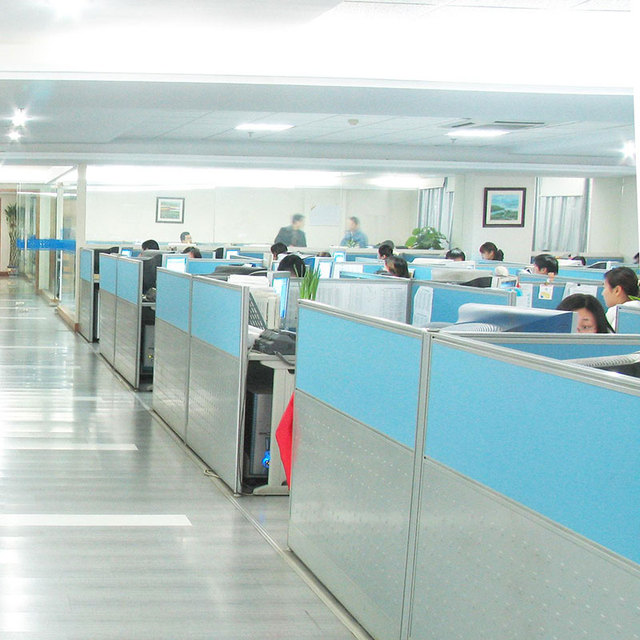
Backed by a skilled engineering team and modern production facilities, the company ensures high product quality through strict testing procedures and compliance with international standards. SMTR also provides flexible customization services to meet diverse project requirements, from apartment complexes and villas to office buildings and industrial sites.
Driven by innovation and customer satisfaction, Guangzhou SMTR SmartLiving is committed to creating smarter, safer living environments. By combining cutting-edge technology with practical design, the company empowers clients worldwide with efficient, scalable, and future-ready security solutions.
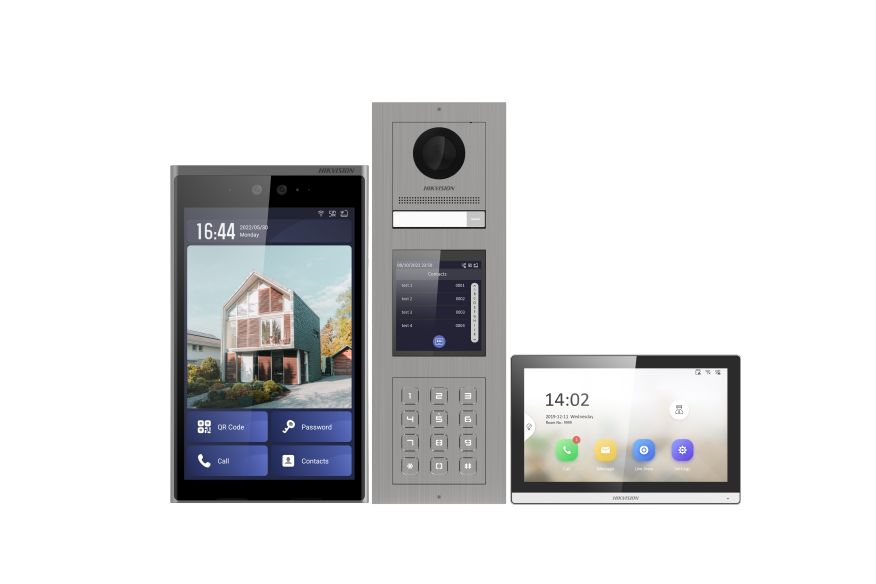
The global access control sector is experiencing an unprecedented structural transition. The traditional siloed hardware framework is rapidly giving way to cloud-native ecosystems, edge intelligence, and zero-trust authentication policies. This section reviews the key technological vectors driving this migration.
Smartphones are replacing physical plastic cards. By utilizing Bluetooth Low Energy (BLE) and Near Field Communication (NFC) technologies, users can access buildings seamlessly. Decentralized architectures ensure credentials remain on the user's local device, minimizing the footprint of centralized databases vulnerable to cyberattacks.
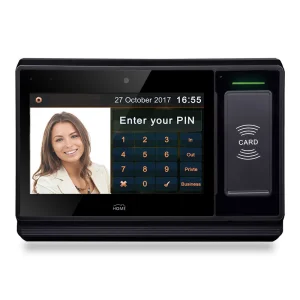
Processing algorithms are shifting from backend servers to the physical reader itself. Modern terminals embed neural network accelerators capable of executing highly accurate facial recognition, iris scans, and liveness checks directly at the door, dropping latency to under 0.2 seconds while securing user privacy.
The legacy Wiegand wiring protocol, lacking encryption, is systematically replaced by the secure OSDP standard. Based on RS-485 serial communication, OSDP offers bidirectional data flow, meaning security managers can monitor peripheral status in real-time, push firmware updates directly, and encrypt the link with AES-128.
Deploying integrated access architectures configured to resolve the distinct risk profiles of diverse environments.
Managing the flow of employees, contractors, and visitors requires unified directories. Integrations with Microsoft Active Directory or Okta allow HR systems to automatically provision or revoke access across physical doors, elevators, and server racks, ensuring the enforcement of role-based authorization.
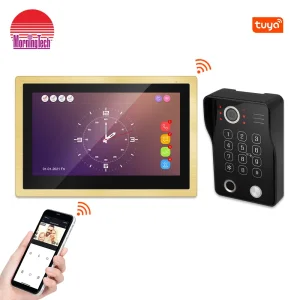
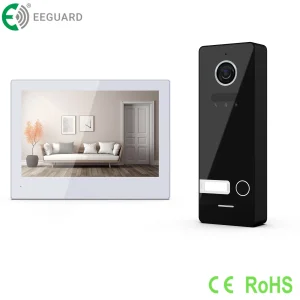
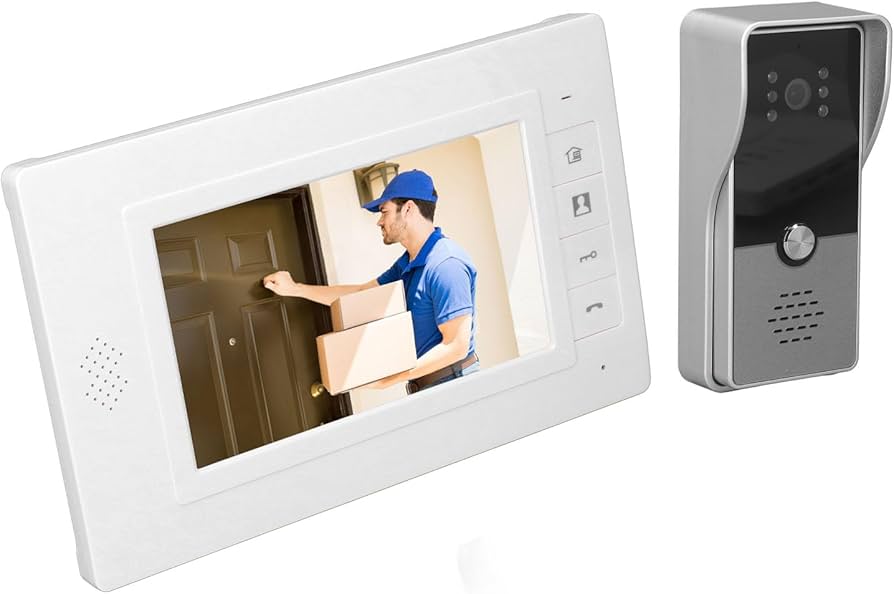
Modern properties demand convenience alongside safety. IP video doorphones allow residents to visually verify visitors via mobile applications and generate time-restricted QR codes for delivery services, reducing property management costs and increasing tenant retention.
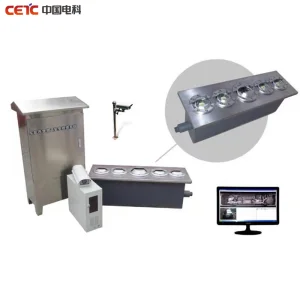
From manufacturing hubs to remote utility grids, high-risk assets need multi-factor validation and environment checking. Solutions must support dual-auth protocols (biometric + card) and integrate with under-vehicle inspection sensors, license plate recognition (LPR), and perimeter alarms.
Navigating global compliance frameworks is a prerequisite for security hardware acceptance. Leading systems must align with strict regional mandates, such as:
How Advanced Smart Manufacturing Drives Down Total Cost of Ownership (TCO) While Accelerating Delivery Schedules.
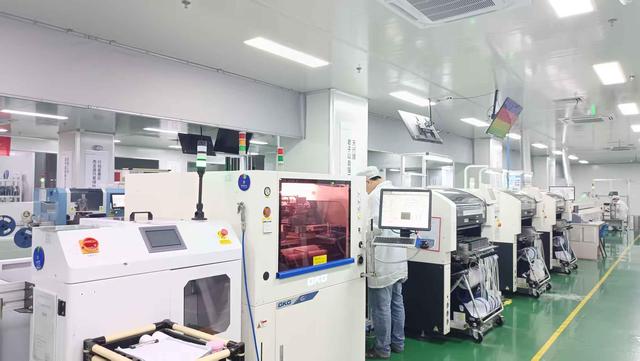
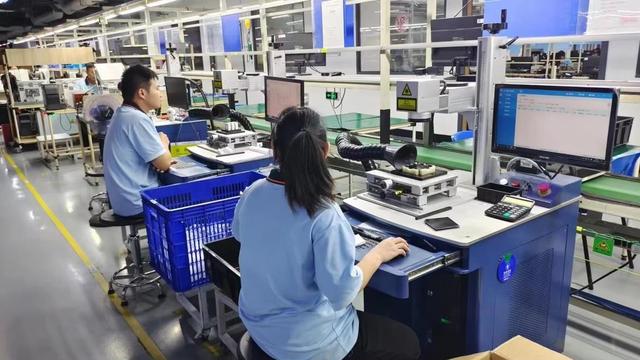
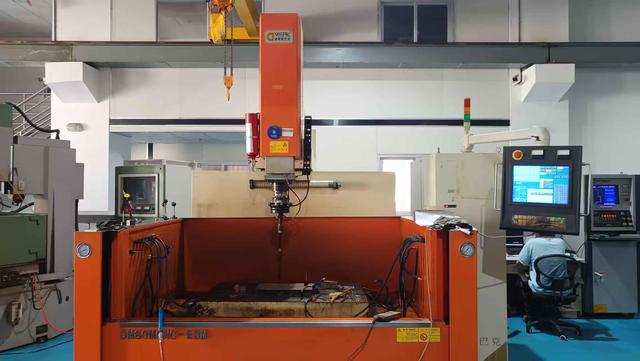
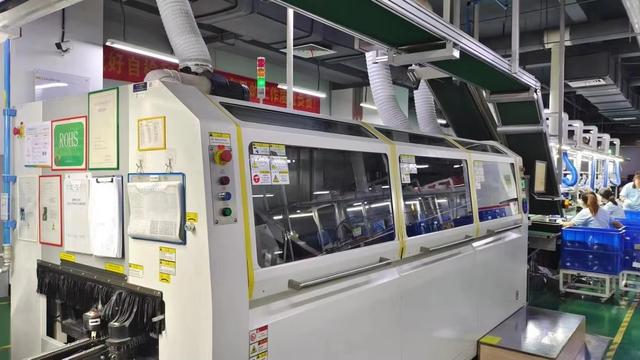
The efficiency of access control procurement relies on stable upstream supply networks. Guangzhou SMTR SmartLiving utilizes advanced production protocols to maintain competitive lead times and rigorous quality assurance standards.
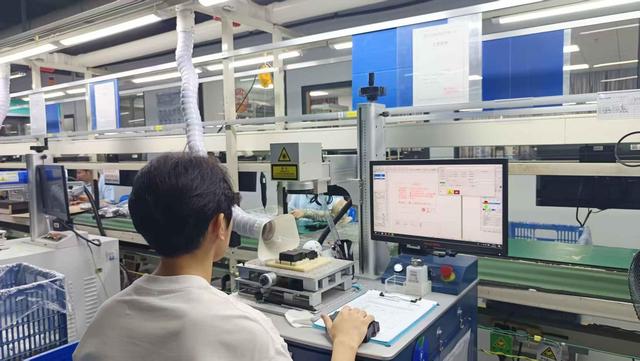
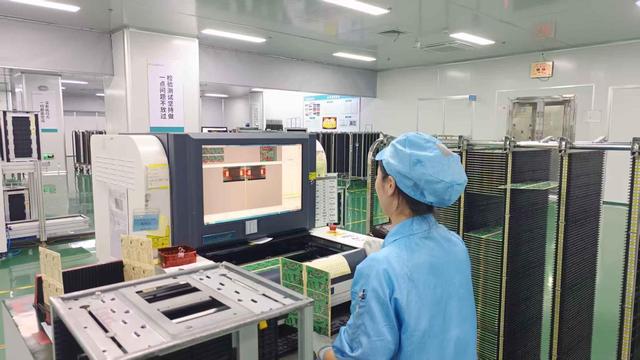
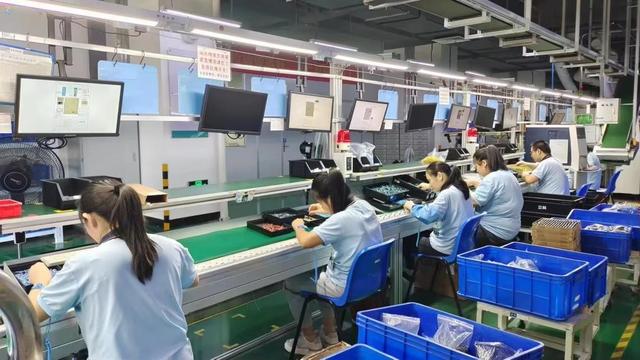
By leveraging automated SMT (Surface Mount Technology) assembly lines, automated optical inspection (AOI), and environmental chamber burn-in routines, the factory limits failure-on-arrival rates to less than 0.1%. Furthermore, sourcing chips and localized structural components within the Pearl River Delta industrial ecosystem minimizes shipping bottlenecks, ensuring global orders remain unaffected by macro-economic changes.
For international buyers, this localization guarantees rapid prototyping of custom faceplates, modified terminal layouts, or custom firmware images. Instead of months-long development timelines, prototype versions can be built, programmed, and compliance-tested in weeks.
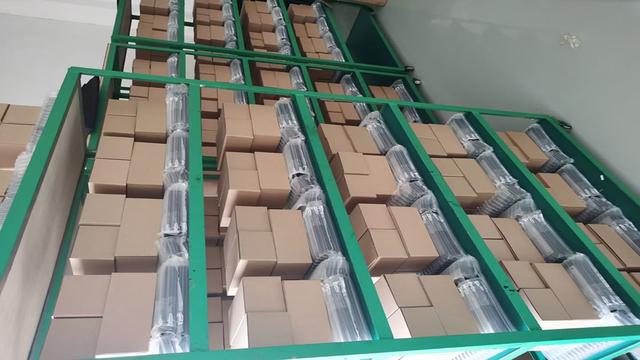
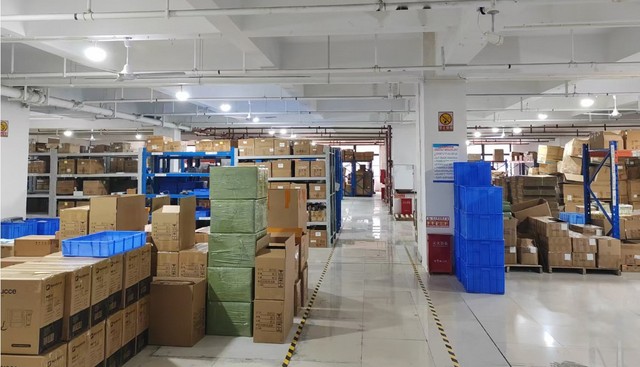
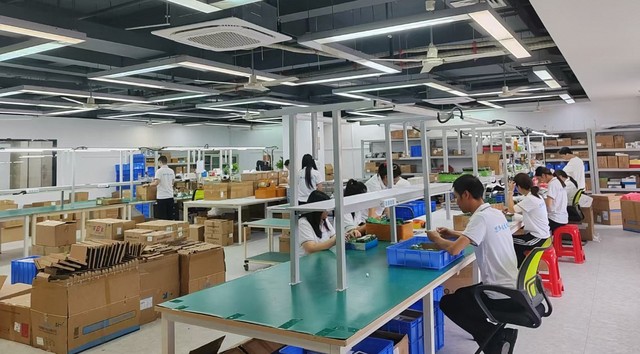
A transparent view of the manufacturing process, quality control testing, and assembly precision at our Guangzhou facilities.
Crucial parameters for physical security directors, systems integrators, and IT managers to consider before buying hardware.
Does the supplier provide access to well-documented REST APIs and local SDKs? Systems must communicate with payroll databases, HR systems, and emergency evacuation management networks without requiring expensive middleware development.
Review licensing fees. While some cloud companies require ongoing subscription fees per reader, hybrid and edge-based platforms offer cost advantages by handling operations locally without mandatory cloud updates.
Ensure new systems support legacy credentials (e.g., 125kHz Proximity, Mifare Classic) while transition roadmaps to higher-security cards (Mifare Plus, DESFire EV3, Seos) or mobile authentication are deployed.
Outdoor readers must withstand diverse climates and environments. Ensure hardware carries international certifications like IP66 for moisture protection and IK08 to IK10 for impact resistance.
Explore additional control panels, modular door stations, multi-biometric devices, and responsive touch interfaces.
Analyzing technical queries, protocol details, and implementation guidelines for system specifiers.
 SMTR SmartLiving