Select components optimized for Multi-Channel network integration, IoT connectivity, and biometric access controls.
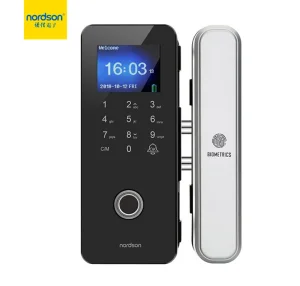
In the modern era of IoT-driven urban infrastructure, security requirements are shifting rapidly from standalone hardware interfaces to interconnected, highly reliable IP networks. Multi-channel intercom systems form the core of this transition, bridging security terminals with IP networks, smart cloud nodes, and automated building management systems.
Integrating high-density apartment video intercom lines with centralized police or estate patrol networks, ensuring instant multi-station communication during emergency dispatch scenarios.
Utilizing RFC3261 Session Initiation Protocol over TLS/SRTP to encrypt multi-channel communications, guaranteeing voice and video streams remain shielded from physical and digital tampering.
Supporting complex field operations with rugged outdoor MESH base stations, delivering steady signal channels across mines, refineries, and vast maritime facilities without wired structures.
In high-density apartment blocks, standard 2-wire setups are often retrofitted using centralized distribution hubs. By converting the local 2-wire analog bus line to SIP via dedicated hardware gateways, modern multi-channel systems permit up to 999 sub-channels to function simultaneously without crosstalk, maintaining high-fidelity audio (G.711) and crisp video feeds (H.264/H.265).
The worldwide demand for integrated building access solutions and multi-channel intercommunication interfaces is scaling at an unprecedented rate. According to industry intelligence reports, the global smart intercom and access control market is projected to expand significantly, driven by urbanization in developing nations and the strict security mandates of North American and European enterprises.
Different markets present distinct operational challenges. For instance, the Latin American markets (such as Chile and Peru) demand robust vehicular integration systems (like PKE keyless entry modules paired with secure lock mechanisms) alongside high-density multi-tenant residential entry systems.
Wholesalers must rely on factories capable of managing material shortages, providing long-term availability of specific microchips, high-grade optical lenses, and anti-corrosive aluminum housing to prevent project delays.
Systems must not operate in isolation. The integration of Tuya, Alexa, and Google Assistant protocol bridges into main control interfaces ensures that new intercom projects easily snap into wider smart-home architectures.
Guangzhou SMTR SmartLiving Co., Ltd. is a trusted China-based supplier of access control and video door phone systems, specializing in advanced smart home security and intelligent entry management solutions. Headquartered in Guangzhou, the company integrates R&D, manufacturing, and global distribution to deliver reliable and user-friendly security technologies for residential and commercial applications.
SMTR SmartLiving offers a comprehensive product portfolio, including video door phones, smart doorbells, biometric and RFID access control systems, and cloud-based management platforms. Designed with a focus on convenience, safety, and connectivity, its solutions enable real-time monitoring, remote access, and seamless integration with modern smart home ecosystems.
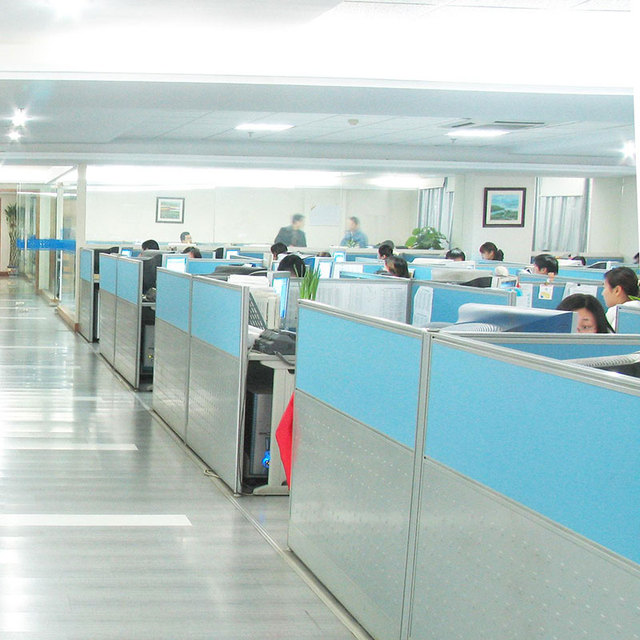
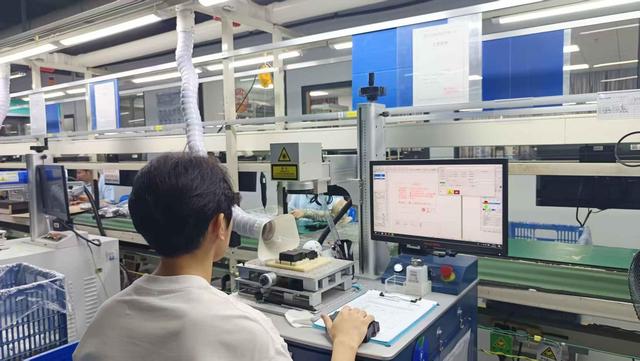
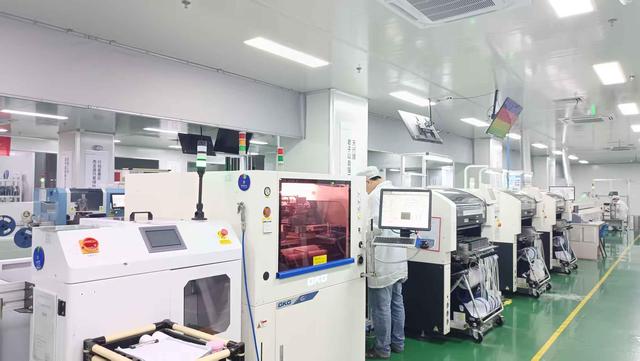
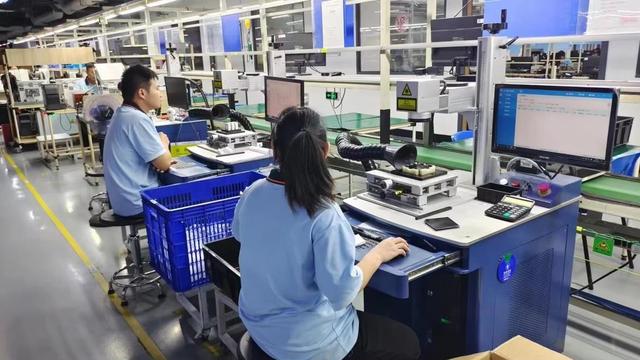
Backed by a skilled engineering team and modern production facilities, the company ensures high product quality through strict testing procedures and compliance with international standards. SMTR also provides flexible customization services to meet diverse project requirements, from apartment complexes and villas to office buildings and industrial sites.
Driven by innovation and customer satisfaction, Guangzhou SMTR SmartLiving is committed to creating smarter, safer living environments. By combining cutting-edge technology with practical design, the company empowers clients worldwide with efficient, scalable, and future-ready security solutions.
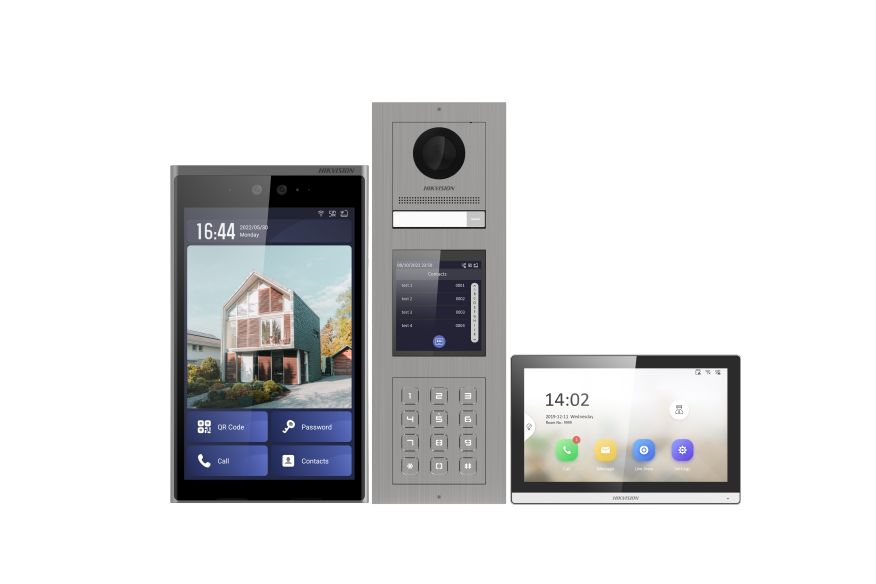
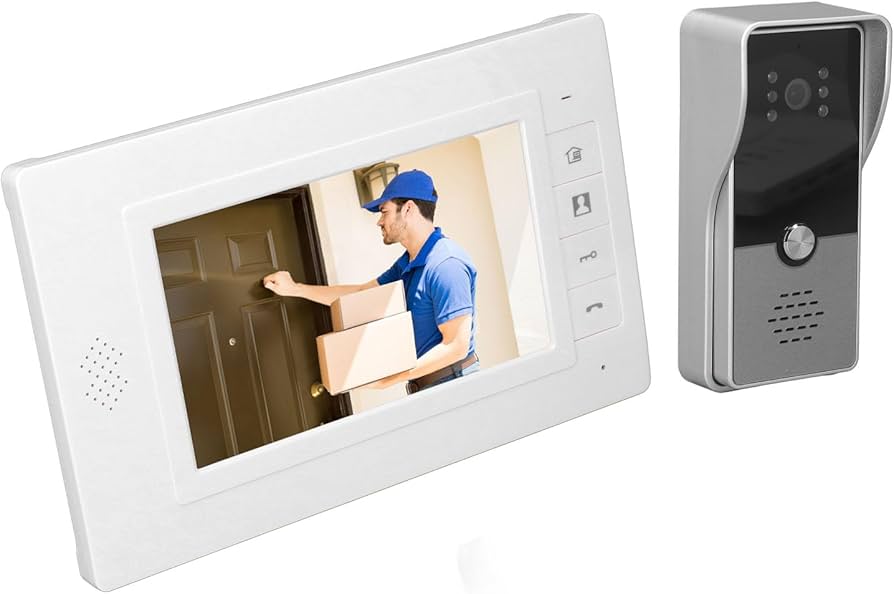
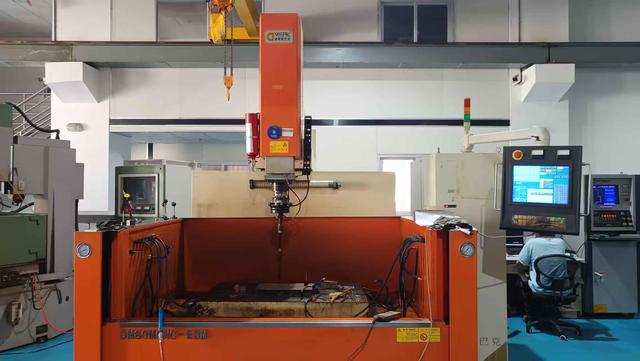
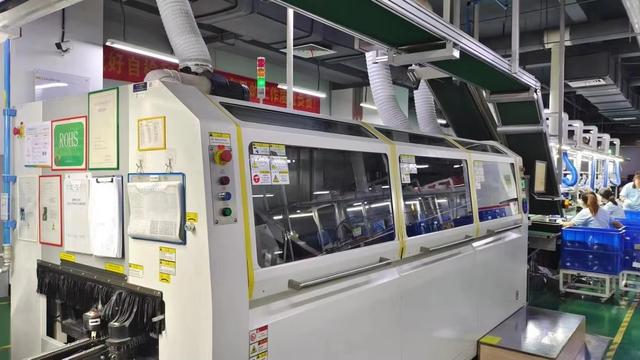
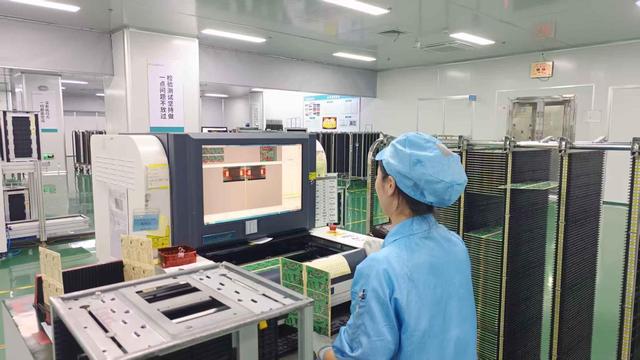
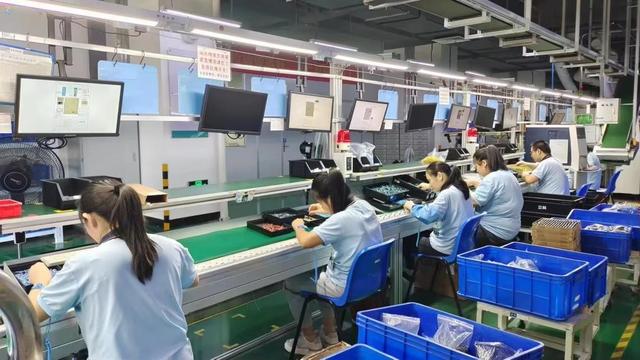
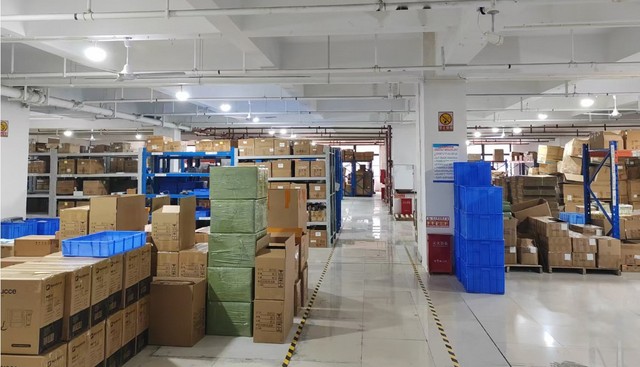
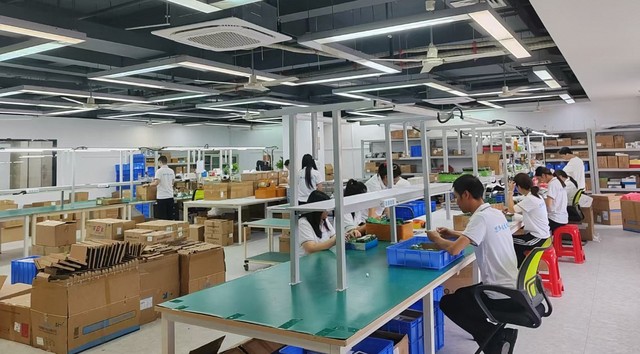
Multi-channel intercom solutions must adapt dynamically to physical architectural structures and localized user interactions. SMTR systems are deployed in key international environments, demonstrating versatile operational compatibility.
In locations such as Singapore, Hong Kong, and London, space limitations necessitate massive multi-apartment towers. Using SMTR's multi-apartment video doorphone stations, hundreds of apartments connect to localized entry columns. Multi-channel routing prevents busy signals when multiple tenants receive visitors at the same time.
Modern boutique hotels rely on keyless check-in and access docks. Integrating wireless double-door patch smart systems with room management software allows central receptionists to manage floor access privileges remotely. Guests interact with panels that display instructions in localized languages.
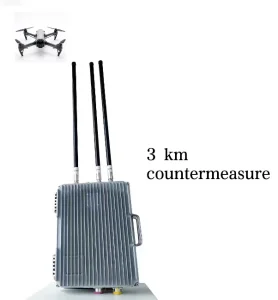
Sensitive installations, such as utility substations or border offices, use fixed omnidirectional UAV countermeasure systems combined with IP67 rugged mesh communication stations. These elements establish a secure, multi-channel voice and data transmission grid that functions even in remote regions under severe weather conditions.
To succeed in international wholesale trade, security hardware must comply with the regulatory frameworks of the destination country. SMTR ensures that its multi-channel hardware and software architectures meet strict global standards.
Biometric facial templates are encrypted at the edge (on-device) using AES-256 standards, preventing raw data extraction and ensuring alignment with European privacy mandates.
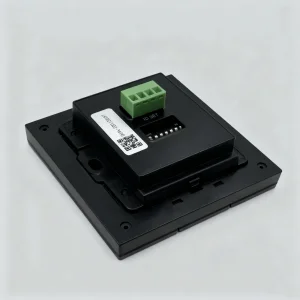
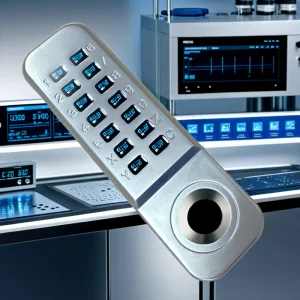
All RF components, including RFID keypads, wireless smart panel systems, and mesh transmitters, undergo rigorous EMC testing to prevent interference.
SMTR source components are vetted to ensure clean, non-restricted semiconductor supply lines, meeting government procurement requirements in the North American market.
Multi-lingual GUI options, customized audio prompts, and integration with local telecommunication APIs are standard options for global wholesale buyers.
The trajectory of the security industry points toward unified AI-driven edge intelligence. SMTR's development pipeline focuses on bringing deeper analytical capabilities to front-end intercom hardware.
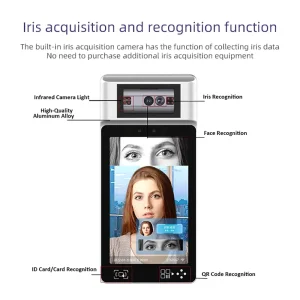
Integrating next-generation neural processing units (NPU) directly inside facial recognition door stations. This allows for localized, offline processing of complex biometric algorithms (such as iris + facial visible light) under zero-light conditions, maintaining authorization latency below 0.3 seconds.
Developing seamless transitions between localized physical bus lines (like 2-wire setups) and decentralized WebRTC clouds. Users will receive high-definition video calls on mobile devices with zero lag, regardless of network configurations or firewall restrictions.
Moving away from static credentials toward dynamic cryptographic keys. Physical locks, elevator control modules, and smart terminals will synchronize with local blockchains to ensure security audits cannot be falsified, protecting municipal and corporate infrastructure.
Key considerations regarding wholesale procurement, technical features, and system setup.
A multi-channel intercom system allows multiple independent voice and video communications to travel concurrently through the same physical or logical network structure. In multi-tenant residential or office towers, this architecture ensures that when a visitor at the gate calls apartment 101, visitors at other entrances can simultaneously contact or access other apartments without system collisions, audio interference, or busy tones. It optimizes communication traffic and enhances user safety.
Our IP door stations comply with standard SIP (RFC3261) protocols, making them universally compatible with standard VoIP systems, IP-PBXs, and cloud-hosted telecommunication servers. The door phone operates like an IP terminal, allowing calls from the door station to be routed to desktop IP phones, softphones, or mobile smartphone apps, facilitating convenient remote building management.
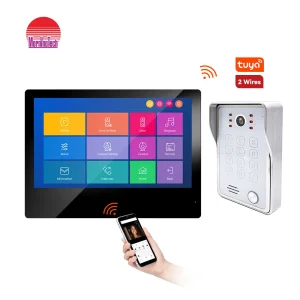
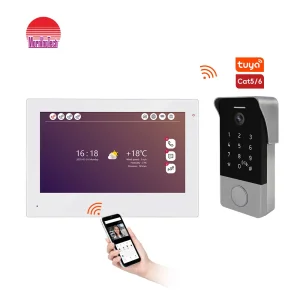
2-wire technology is highly effective for retrofitting older buildings. It uses the existing, legacy non-shielded copper cabling to carry power, audio, and high-definition video data concurrently, saving significant installation costs. Conversely, Cat6/RJ45 Ethernet connections are ideal for new constructions, supporting higher bandwidth and simpler PoE (Power over Ethernet) configurations. We provide solutions for both architectures.
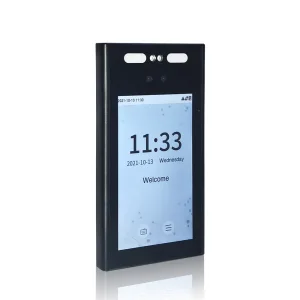
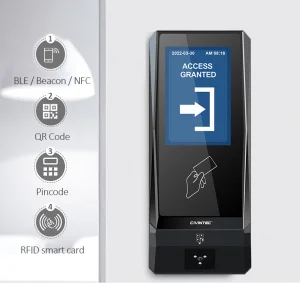
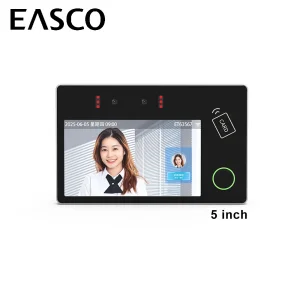
Our visible light facial recognition terminals utilize dual-lens setups (visible light + near-infrared) to execute dynamic liveness detection. This prevents presentation attacks using photos, video playback, or masks. The software's automatic exposure algorithm adjusts illumination levels when faced with direct sunlight or low-light situations, ensuring fast, accurate authorization under all conditions.
We provide extensive customization services. This includes physical branding (such as laser-engraving company logos onto aluminum housing), custom firmware interfaces (including startup logos, user languages, and color themes), API/SDK integration for proprietary security platforms, and hardware modifications to meet specific local frequency and voltage requirements.
Extended security elements, elevator integrations, and utility management systems designed for modern smart architectures.

 SMTR SmartLiving