Explore our leading commercial-grade security terminals, smart locks, and biometric verification hubs.
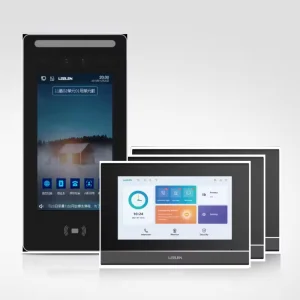
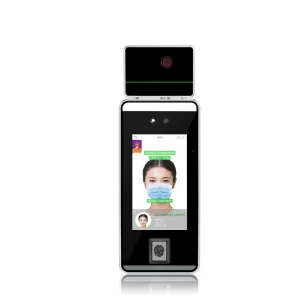
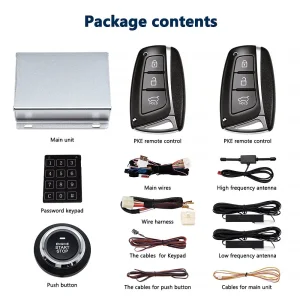
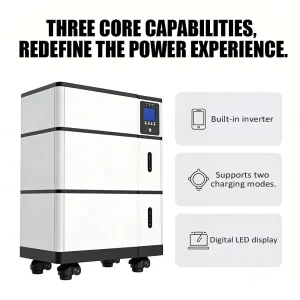
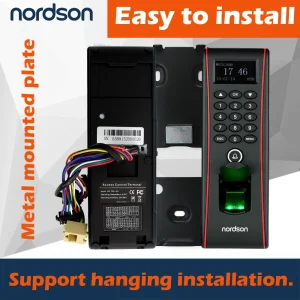
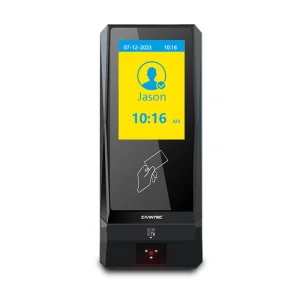
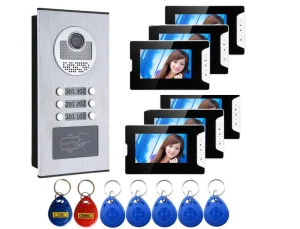
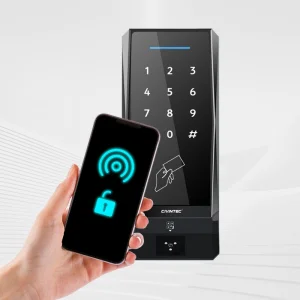
Guangzhou SMTR SmartLiving Co., Ltd. is a trusted China-based supplier of access control and video door phone systems, specializing in advanced smart home security and intelligent entry management solutions. Headquartered in Guangzhou, the company integrates R&D, manufacturing, and global distribution to deliver reliable and user-friendly security technologies for residential and commercial applications.
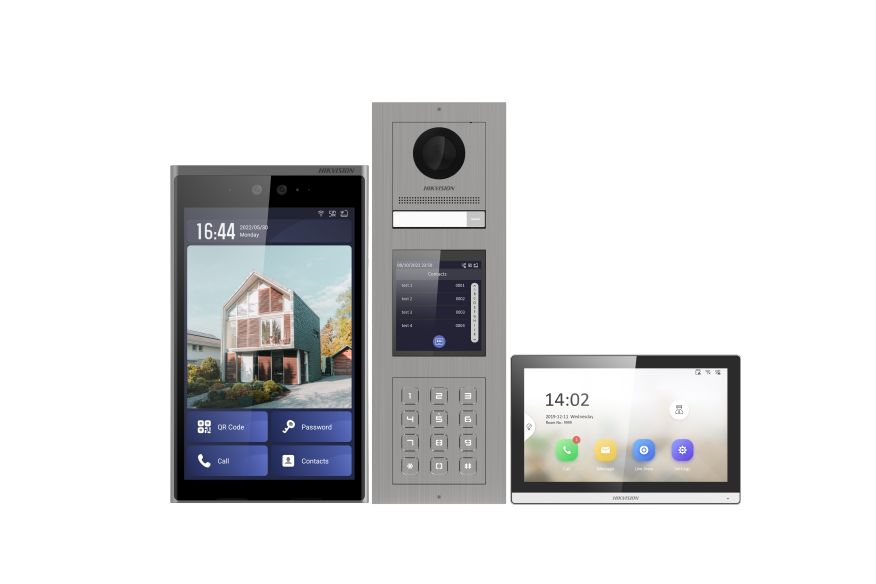
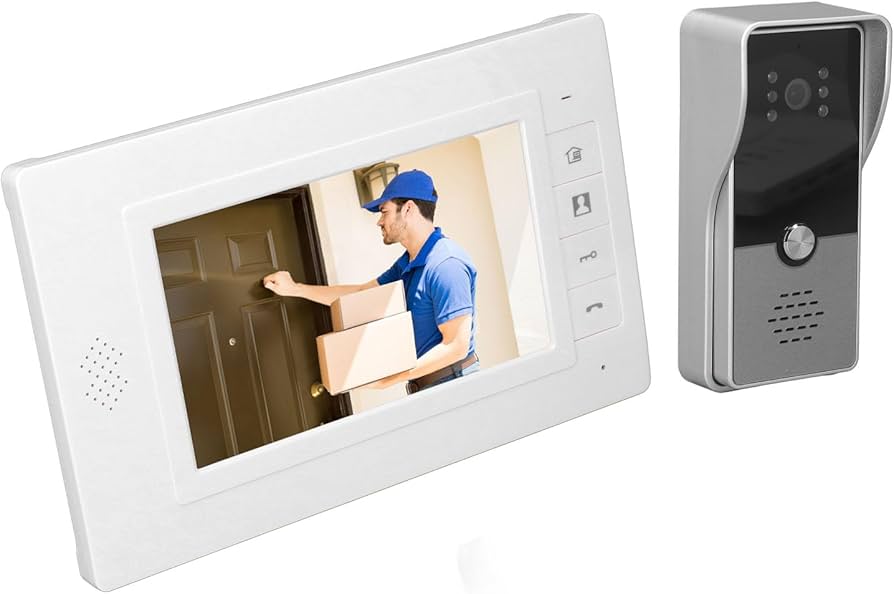
SMTR SmartLiving offers a comprehensive product portfolio, including video door phones, smart doorbells, biometric and RFID access control systems, and cloud-based management platforms. Designed with a focus on convenience, safety, and connectivity, its solutions enable real-time monitoring, remote access, and seamless integration with modern smart home ecosystems.
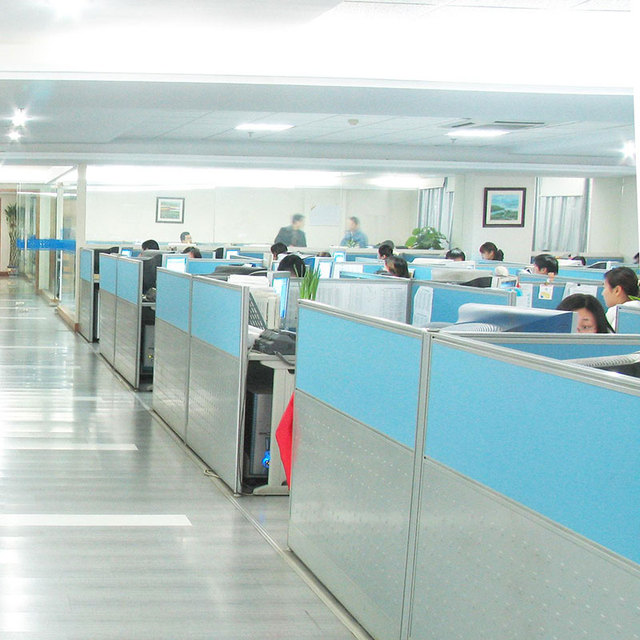
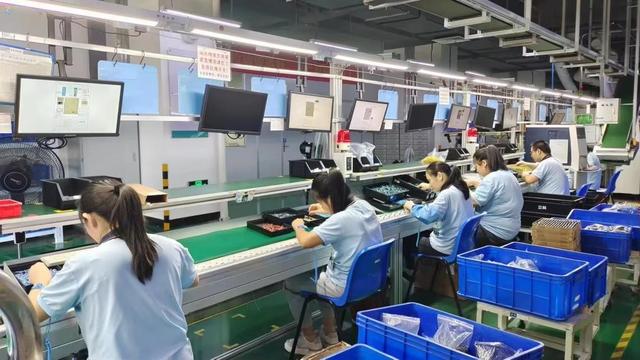
Backed by a skilled engineering team and modern production facilities, the company ensures high product quality through strict testing procedures and compliance with international standards. SMTR also provides flexible customization services to meet diverse project requirements, from apartment complexes and villas to office buildings and industrial sites.
Driven by innovation and customer satisfaction, Guangzhou SMTR SmartLiving is committed to creating smarter, safer living environments. By combining cutting-edge technology with practical design, the company empowers clients worldwide with efficient, scalable, and future-ready security solutions.
Decoding the core strengths, technology standards, and manufacturing benchmarks of the world's leading remote entry system providers.
Top-tier factories allocate over 12% of annual revenue directly to firmware architecture, biometric algorithms, and high-frequency RF transmission. Modern facilities must hold active international patents in sub-1GHz communication, dynamic code encryption, and localized neural networks for edge-computed facial recognition.
The convergence of physical security and cloud architectures requires factories to be expert software developers. This includes maintaining active integrations with mainstream IoT ecosystems such as Tuya, Apple HomeKit, Google Home, and open protocols like SIP (Session Initiation Protocol), ONVIF, and OSDP (Open Supervised Device Protocol).
Security hardware is only as strong as its weakest link. Premier factories manufacture entry modules with rigorous adherence to international standards: IP65/IP67 ingress ratings, IK08 to IK10 impact protection, FCC Part 15, CE RED, RoHS compliance, and ISO 9001 quality management processes.
In the context of modern infrastructure, a Remote Entry System is no longer just a standalone relay mechanism or standard key fob. It is an intelligent node in a distributed physical security network. From high-durability access panels equipped with smart touch latches to multi-family video intercom systems utilizing SIP-based voice-over-IP, the industry is witnessing an exponential leap in complexity. Global enterprises must evaluate manufacturers not only based on their unit cost but on their long-term technological roadmap, cybersecurity posture, and localized technical support systems.
Examining the integration of Biometrics, Edge AI, NFC/BLE credentials, and green energy interfaces in next-generation entry portals.
Modern remote access systems are moving computational intelligence from centralized cloud environments down to edge hardware. By implementing high-performance microcontrollers (such as Linux-based SoC modules) directly into gate controllers and intercoms, systems execute neural network models for real-time facial recognition and liveness detection. This shift drastically reduces latency and ensures consistent operation even during total network outages.
Traditional physical RFID cards are rapidly being replaced by encrypted mobile credentials utilizing Near Field Communication (NFC) and Bluetooth Low Energy (BLE). Through proprietary mobile applications and digital wallets, users can gain secure entry without physical contact. The integration of MIFARE DESFire EV2/EV3 protocols ensures that wireless signals are encrypted using military-grade AES-128 or AES-256 standards, mitigating replay attacks and signal sniffing exploits.
As corporate social responsibility and energy efficiency standards tighten worldwide, remote entry system infrastructure is directly aligning with green energy systems. Modern remote locations use advanced stackable solar battery energy storage units to power gate control systems independently from the grid. This design ensures 100% operational uptime for access control points during localized blackouts or grid failures.
How global system integrators deploy physical access control technologies across residential, hospitality, commercial, and heavy industrial environments.
Modern housing complexes utilize multi-tenant video intercom systems connected via IP networks or 2-wire installations. Residents manage dynamic guest permissions directly through smartphone applications, using temporary QR codes, PIN codes, or face recognition. Facilities leverage 16-door lift control extensions to guarantee that visitors only access their designated residential floors.
The hospitality sector thrives on contactless guest experiences. Cloud-integrated lock systems allow check-in operations to dynamically generate card keys and issue digital mobile keys directly to guests' phones. When checked out, permissions are automatically revoked at the server level, drastically reducing physical key-card waste and front-desk bottlenecks.
For factory settings, petrochemical complexes, and power grid sub-stations, access systems must withstand extreme ambient conditions. Explosion-proof access panels, high-durability snap touch latches, IP65 waterproof biometric scanners, and temperature-detecting face recognition units prevent unauthorized movement and enforce safety regulations dynamically.
Inside the automated production lines and supply network structures that power Guangzhou's high-tech manufacturing corridors.
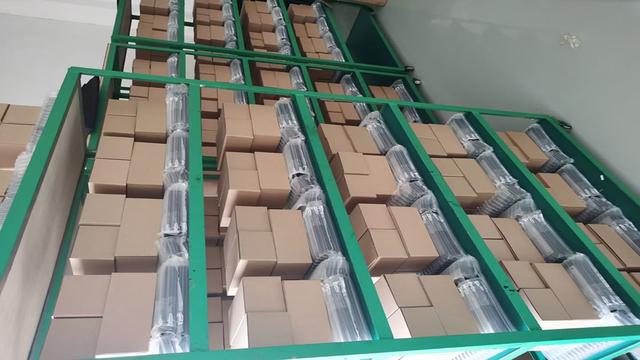
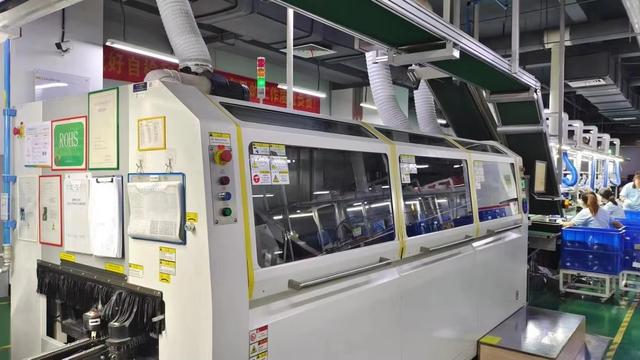
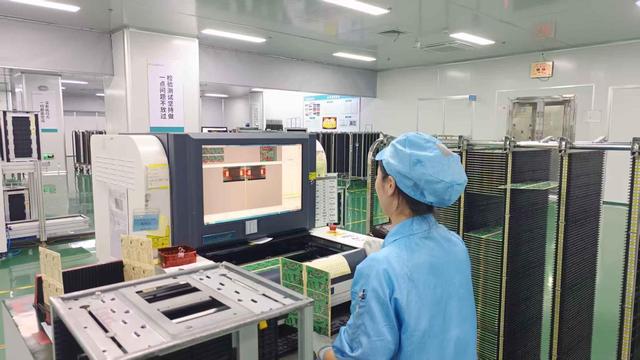
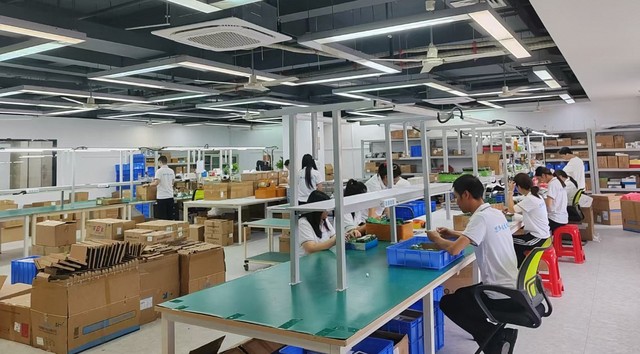
The production of remote entry systems requires high-precision surface-mount technology (SMT) for the circuit boards, followed by multi-phase testing protocols. Industry 4.0 standards implemented in Guangzhou factories integrate automated optical inspection (AOI), X-ray diagnostic testing, and computerized functional testing (FCT). This process ensures that critical components like the 433.92 MHz RF transceiver chips, Linux logic chips, and biometric cameras perform reliably under harsh outdoor elements.
By automating the mounting, soldering, and assembly processes, manufacturers achieve lower failure rates, higher component alignment precision, and robust moisture isolation. The integration of high-durability snap touch latches and impact-resistant housings protects internal electronics from physical vandalism, maximizing the operational life cycle of every unit.
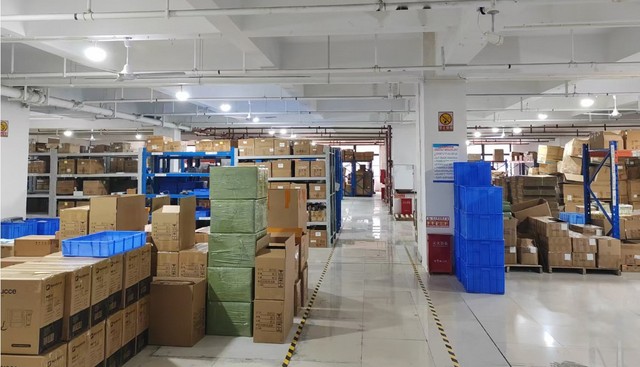
Sourcing directly from optimized manufacturing hubs like Guangzhou SMTR SmartLiving allows global buyers to benefit from a dense local supply chain network. The proximity to raw materials, PCB fabrication facilities, plastic injection moulding shops, and international shipping ports reduces lead times for custom OEM/ODM orders.
Additionally, modular product design structures allow factories to offer tailored hardware modifications. Whether a project requires specific Wiegand interfaces, custom branded apps (like custom Tuya integrations), proprietary card configurations (MIFARE/Desfire), or customized front-plate laser engraving, the local manufacturing ecosystem is uniquely positioned to scale production rapidly.
Crucial check-points for hardware procurement officers, security consultants, and corporate buyers evaluating remote entry system factories.
Enterprise buyers must mandate SDK availability and RESTful API structures. The entry hardware must integrate seamlessly with existing VMS (Video Management Software) platforms, HR payroll systems for time attendance, and third-party fire alarm override networks.
Access systems must feature dedicated dry/wet relays supporting both fail-safe (unlocks upon loss of power for evacuation) and fail-secure (remains locked during outages to protect assets) operations, coupled with physical key overrides.
Evaluate the manufacturer's OTA (Over-the-Air) firmware update strategy. Secure hardware must support encrypted remote updates to fix vulnerabilities, patch security holes, and deploy performance optimizations without requiring on-site maintenance.
Procurement specifications should demand certified MTBF (Mean Time Between Failures) data exceeding 100,000 duty cycles for lock latches, relays, and biometric scanners, ensuring long-term operational viability in high-traffic entryways.
Mitigating deployment risks through certified regional compliance, data privacy protection, and global logistics integration.
Biometric access control systems store and process sensitive biological templates. To deploy these products globally, systems must comply with international data security laws such as the General Data Protection Regulation (GDPR) in the European Union and CCPA in California. Modern remote entry terminals achieve this by hashing biometric details locally at the hardware level, ensuring raw images are never transmitted or stored on cloud servers. Enterprise systems must use secure enclaves on the microprocessors to prevent database extraction.
Wireless components, including 433.92 MHz smart keys, NFC card readers, and Wi-Fi transceivers, must conform to local frequency allocation standards. Sourcing certified hardware from experienced factories guarantees compliance with FCC Part 15 subparts (USA) and CE RED (Europe), preventing radio signal interference with other localized network arrays.
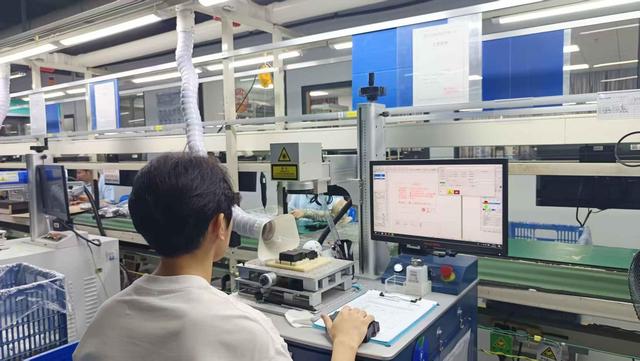
Select from our production-line controllers, modular apartment stations, and heavy-duty smart locks.
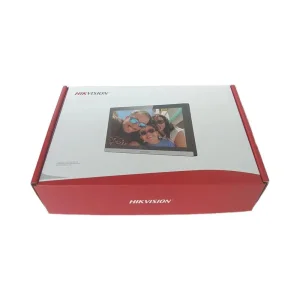
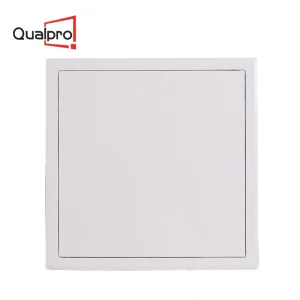
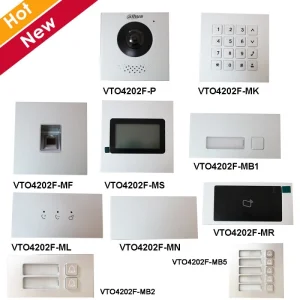
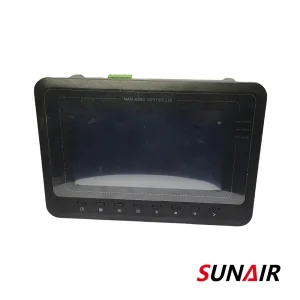
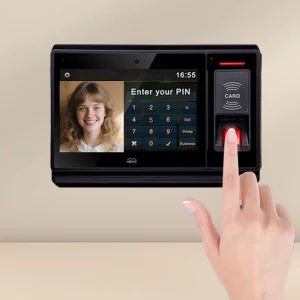
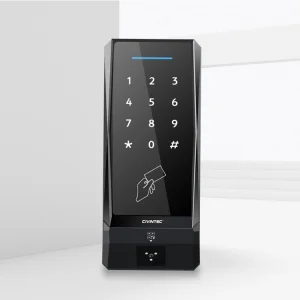
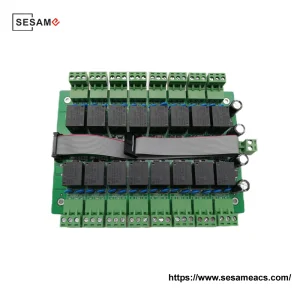
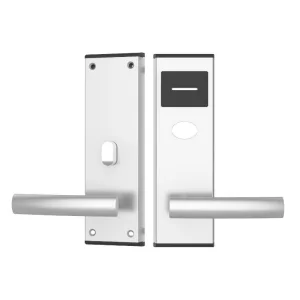
A visual gallery showcasing our precision assembly, hardware diagnostics, and quality testing labs.
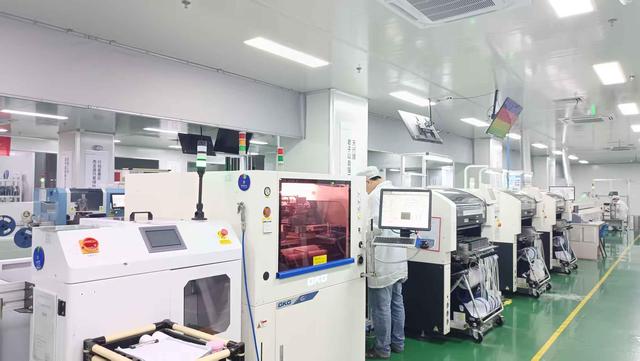
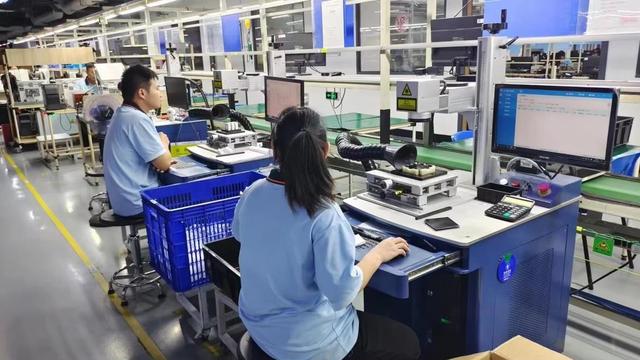
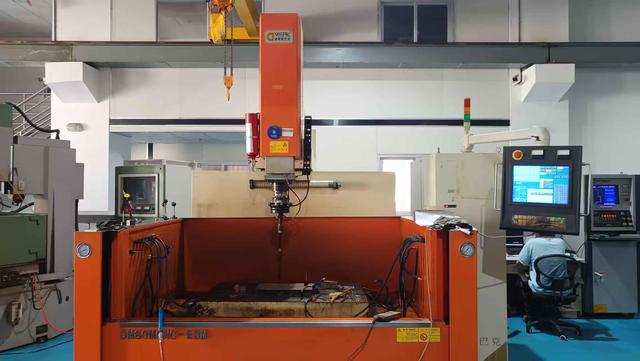
Expert answers to critical technical questions regarding the configuration, deployment, and purchase of remote entry control systems.
 SMTR SmartLiving