Combining state-of-the-art Chinese manufacturing efficiencies with high-level software ecosystems to support global security needs.
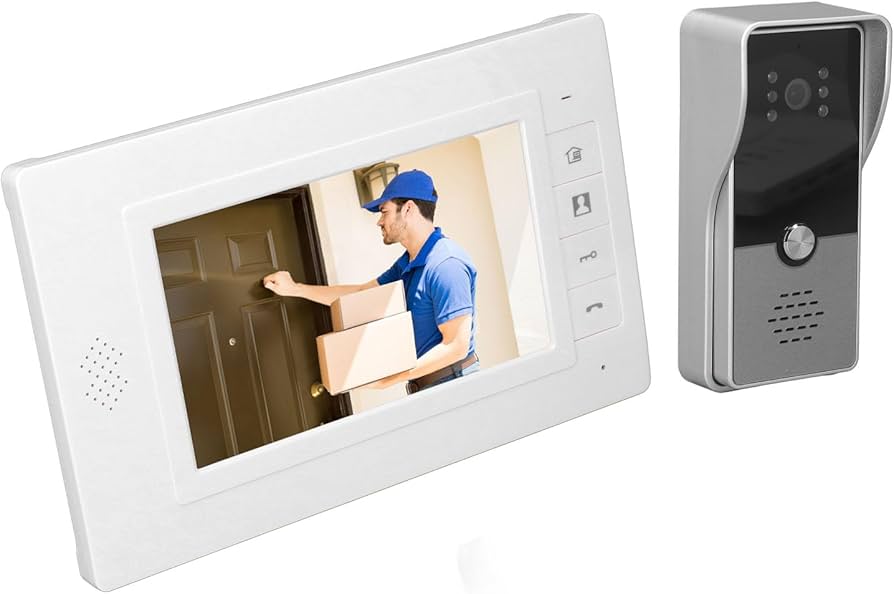
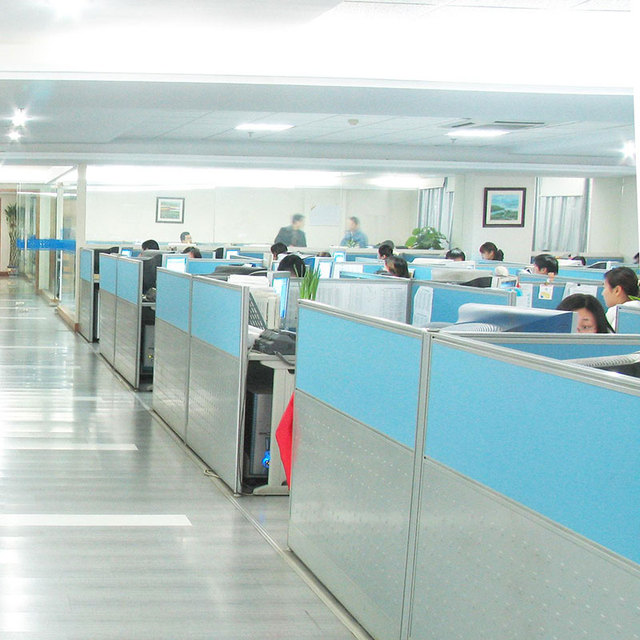
Guangzhou SMTR SmartLiving Co., Ltd. is a trusted China-based supplier of access control and video door phone systems, specializing in advanced smart home security and intelligent entry management solutions. Headquartered in Guangzhou, the company integrates R&D, manufacturing, and global distribution to deliver reliable and user-friendly security technologies for residential and commercial applications.
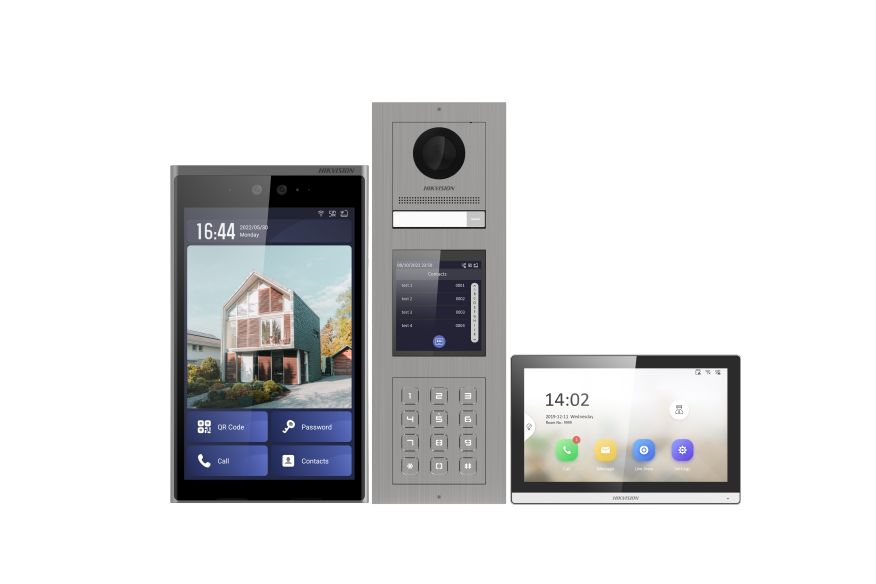
SMTR SmartLiving offers a comprehensive product portfolio, including video door phones, smart doorbells, biometric and RFID access control systems, and cloud-based management platforms. Designed with a focus on convenience, safety, and connectivity, its solutions enable real-time monitoring, remote access, and seamless integration with modern smart home ecosystems.
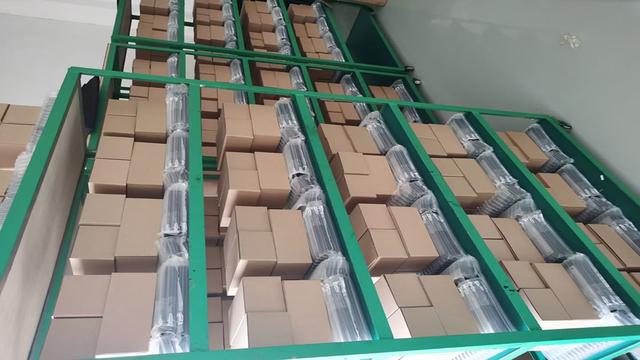
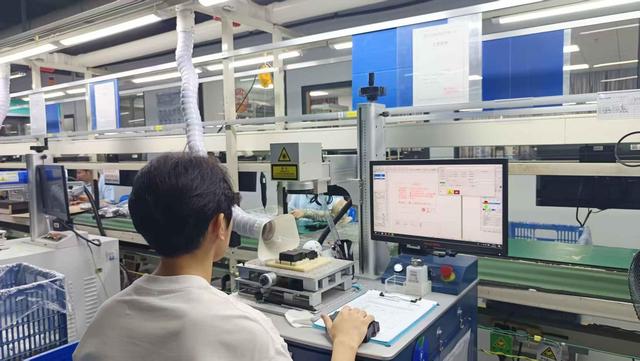
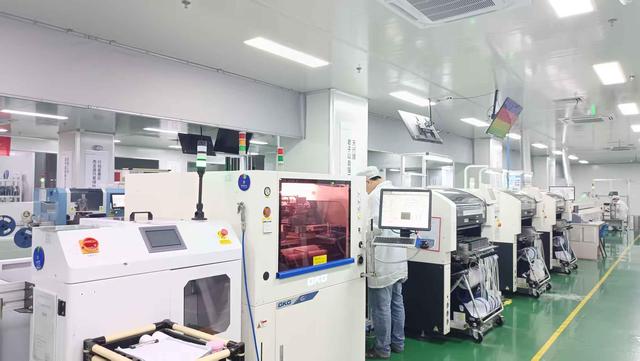
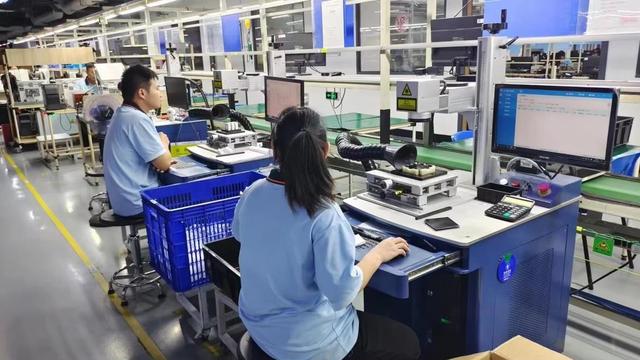
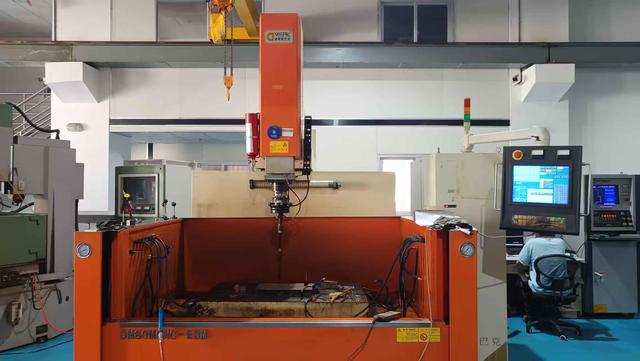
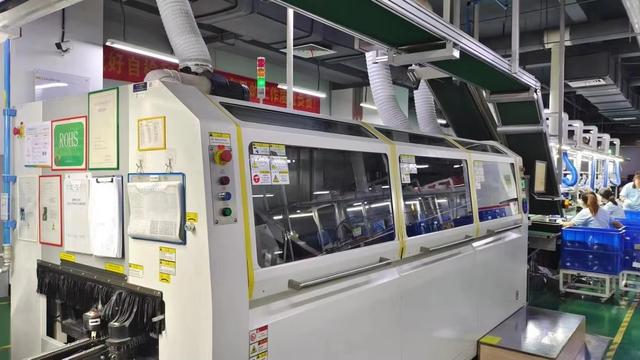
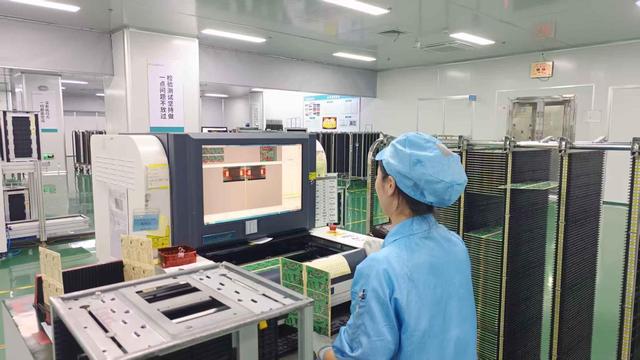
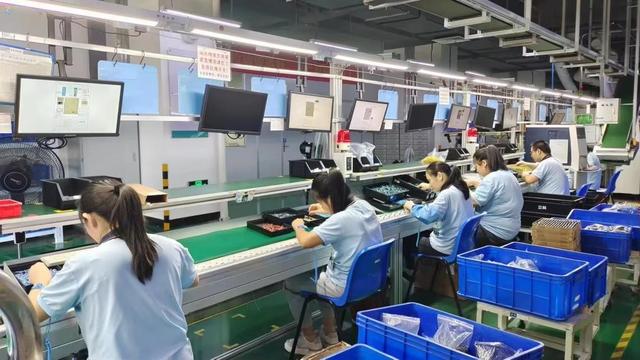
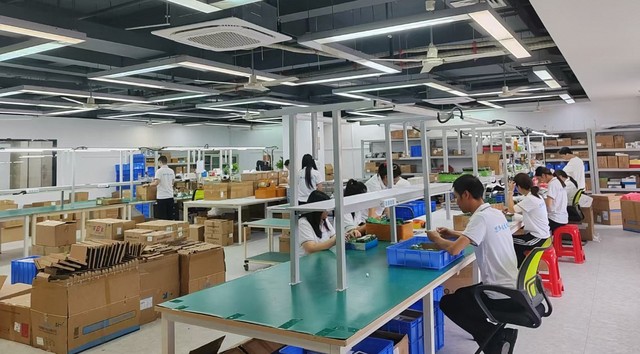
Backed by a skilled engineering team and modern production facilities, the company ensures high product quality through strict testing procedures and compliance with international standards. SMTR also provides flexible customization services to meet diverse project requirements, from apartment complexes and villas to office buildings and industrial sites.
Driven by innovation and customer satisfaction, Guangzhou SMTR SmartLiving is committed to creating smarter, safer living environments. By combining cutting-edge technology with practical design, the company empowers clients worldwide with efficient, scalable, and future-ready security solutions.
Explore our core selection of smart interconnect endpoints designed for heavy duty urban and residential deployments.
Our deep-dive analysis of structural shifts in security topology: transitioning from local hardware loops to cloud-native, zero-trust endpoint nodes.
Moving computationally expensive AI models to the edge. Microchips embedded directly into outdoor panels execute instantaneous 3D facial modeling and vein mapping, lowering access latencies and ensuring full functionality even if WAN connectivity drops.
Traditional intercom signals can be intercepted. Modern standards rely on mutual TLS encryption and dynamically generated cryptographic keys. Intercom signals routes through localized nodes, validating credentials against directory assets in real-time.
Physical entry has converged with parking logistics and e-mobility charging. Modern factories must design integrated nodes that handle building permissions, license plates, and multi-tenant billing models like our EcoSmart ChargeStation.
B2B procurement teams face immense pressure balancing legacy systems with the need for modern mobile authorization interfaces.
Enterprise procurement managers in Europe, the Americas, and APAC demand strict manufacturing metrics. When specifying large residential or office projects, key considerations include:
By coupling in-house component fabrication with strict software testing arrays, we maintain a factory-direct cost advantage. Our OEM/ODM operations provide custom firmware configurations directly during assembly, drastically reducing onsite deployment and commissioning times.
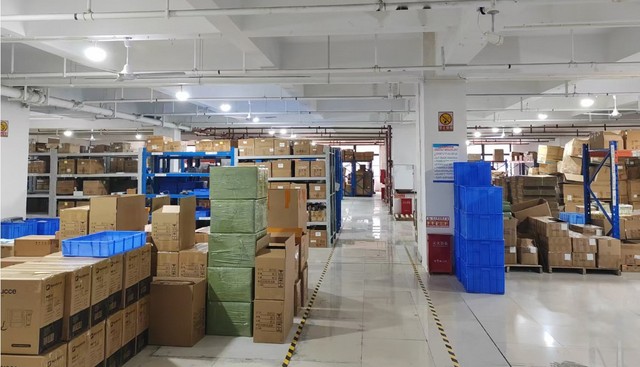
"Our strategic proximity to southern China's global logistics hub allows SMTR to execute hardware adaptations and dispatch container-load projects with significantly shorter lead times than Western assembly plants."
Pre-engineered hardware topologies mapped directly to specific industry use-cases for immediate system deployment.
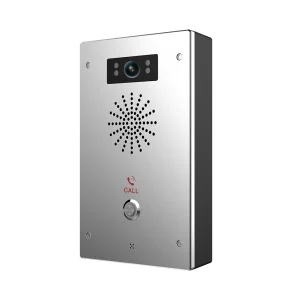
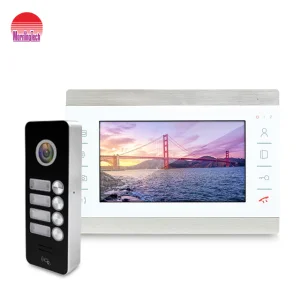
High-capacity TCP/IP intercom arrays supporting thousands of unique indoor screens. These feature SIP protocol integration, routing video streams to native mobile apps via Android/iOS, and robust Tuya-enabled remote door activation.
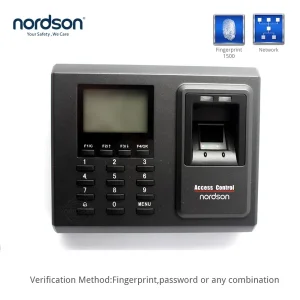
Securing office corridors with standalone fingerprint and RFID relays. Access control systems feed directly into elevator relays, allowing verified floor routing based on user credential privilege parameters.
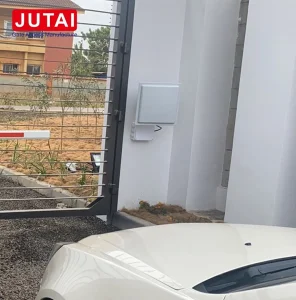
Industrial automatic aluminum alloy gates paired with heavy-duty lift communication loops. Engineered to withstand high operational vibration, electromagnetic interference, and dust ingress.
Our ongoing development goals reflect the convergence of AI, wireless mesh networks, and environmental compatibility.
Phasing out closed legacy communications. SMTR is actively engineering Thread-enabled endpoints, ensuring localized low-latency control and plug-and-play setup within broader smart ecosystems.
Developing ultra-low power neural processing modules (NPUs) that execute facial recognition directly on-device, drastically reducing latency and security risks by avoiding cloud processing.
Expanding the EcoSmart charging solution with dynamic local load-balancing algorithms, allowing direct linkage between vehicle parking credentials and EV charging stations.
Complete product spectrum covering IP-based wireless doorbells, industrial automated barriers, and unified network access controllers.
Detailed technical analysis addressing installation parameters, configuration protocols, and hardware specifications.
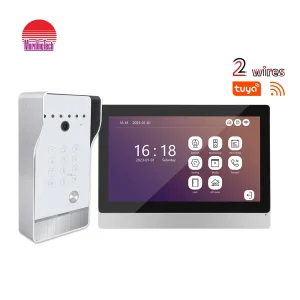
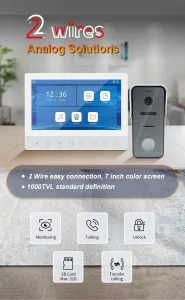
Cat5 TCP/IP systems support high video bandwidth, allowing HD resolution streams to be processed without loss. They integrate seamlessly with standard network architectures and support PoE, running power and data over a single cable. 2-wire systems, however, are a cost-effective choice for retrofits, as they reuse existing analog wiring while still delivering IP intercom benefits via specialized transmission modules.
Our OEM/ODM EcoSmart Chargestation features dynamic load balancing. The system constantly monitors the facility's total energy demand. If other building utilities peak, the station adjusts EV charging rates in real-time. This protects the local transformer from overloading and eliminates the need for expensive utility upgrades.
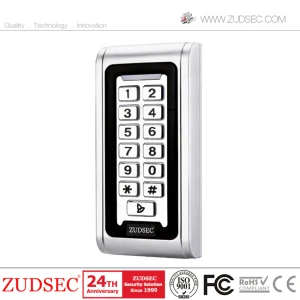
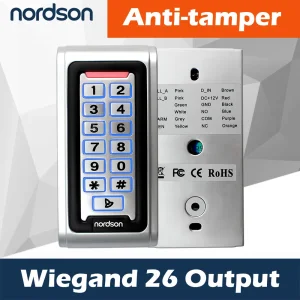
Yes. Our controllers, such as the Fr-F2 Biometric and IP65 Metal Keypad Access Controller, feature TCP/IP interfaces and standard Wiegand (26/34) and RS485 communication protocols. This allows installers to easily route card reads to third-party databases, access logs, and management applications.
Our production facilities operate under ISO 9001 quality systems. We maintain CE, FCC, and RoHS certifications across our export product line. For EU markets, our software channels encrypt user data in transit, aligning with GDPR regulations for multi-family residential setups.
The elevator controller uses relay output modules linked to the lift panel. Upon reading a fingerprint or RFID credential, the controller triggers only the relays corresponding to that user's authorized floors. This prevents unauthorized visitors from accessing restricted areas in multi-tenant commercial structures.
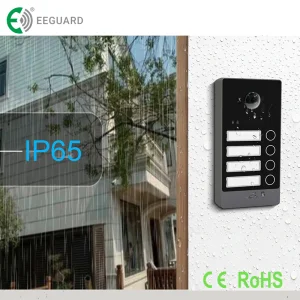
Yes. Our metal keypads are manufactured with cast aluminum or zinc alloy and carry an IP65 ingress rating. The mechanical keys and circuit board are fully potted in protective resin to safeguard internal electronics from moisture, dust, and physical impact.
Tuya compatibility allows our locks and intercoms to connect to the global Tuya IoT cloud. This lets property owners manage access, create temporary entry codes, view live video streams, and configure automation rules (such as triggering smart lighting when unlocking a door) through a single application.
Standard Cat5e/Cat6 PoE runs support distances up to 100 meters (328 feet). For longer cable runs in high-rise buildings, installers can use PoE extenders or transition to fiber optic backbones with media converters located at the floor switches.
Yes. Our IP door intercom systems natively support standard SIP. This allows them to register as endpoints on third-party VoIP PBX systems, enabling callers to route door intercom requests directly to office IP desk phones.
We provide comprehensive OEM/ODM customization services. This includes silk-screening brand logos on hardware, customizing firmware boot screens, pre-programming RFID card ranges, and modifying physical casing dimensions to meet specific architectural requirements.
 SMTR SmartLiving