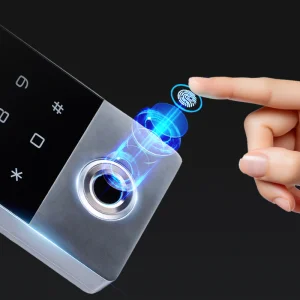
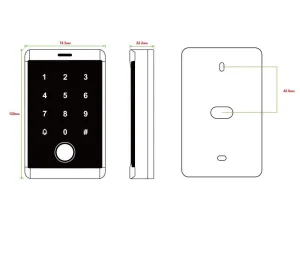
Engineered for instant verification, redundant communication networks, and reliable internal battery fail-safes essential for the CAR industrial context.
A Comprehensive Guide to Biometric Infrastructure, local deployment bottlenecks, and hardware resilience in developing economies.
The demand for advanced security technology in the Central African Republic (CAR) has shifted significantly from manual physical security guards to structured, automated, and auditable access control systems. Critical sectors, including humanitarian aid agency offices, gold and diamond mining assets in remote provinces, and national government institutions in Bangui, require precise employee management and secure zone isolation. Traditional locks and keys are highly susceptible to duplication, loss, and unauthorized access, prompting a nationwide upgrade to biometric indicators.
However, the local environment presents unique challenges. Extreme atmospheric dust during the dry season, high ambient humidity levels, and frequent electrical grid variations (load shedding) demand hardware that operates outside typical climate-controlled office specifications. Manufacturers must supply devices with high ingress protection (IP65/66) ratings and internal battery backup modules to guarantee consistent uptime.
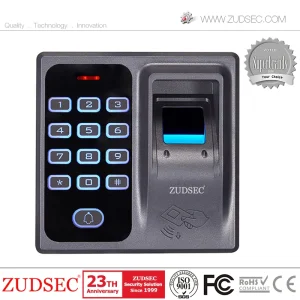
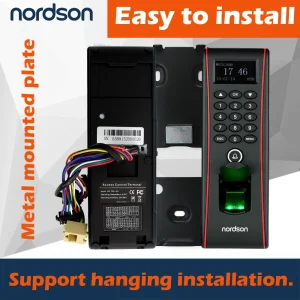
Scattered throughout rural areas, mining camps require strict perimeter isolation. Dust-resistant optical biometric readers with heavy-duty metal chassis (such as our aluminum-alloy products) prevent dirt buildup from degrading sensor sensitivity, enabling fast access control for workers handling heavy machinery and high-value materials.
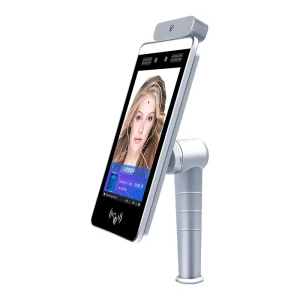
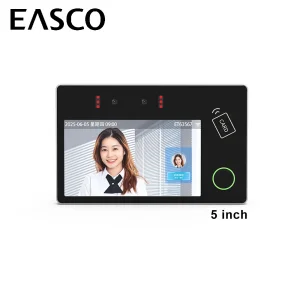
International agencies require high-tier audit trails. Intercoms integrated with video, facial identification, and fingerprint metrics ensure multidimensional security clearances, generating secure, tamper-proof logs for security audits.
Financial infrastructure in Bimbo and Bangui relies on dual-verification protocols. Integrating dynamic face detection with high-density optical fingerprint readers ensures that server closets and cash sorting vaults remain secured, even during connectivity blackouts.
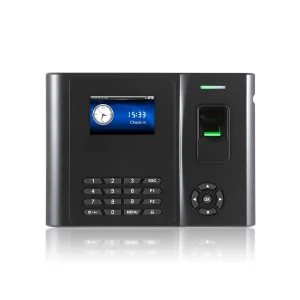
With critical supply corridors passing through Cameroon to Bangui, distribution terminals require biometric time recorders with built-in Wi-Fi and GPRS functions to manage trans-national drivers and local logistics personnel efficiently.
Typical commercial access systems depend on constant AC power and fiber-optic backhauls. In CAR, power outages are common, and fixed-line broadband is limited outside metropolitan centers. Our system models address these challenges directly:
Robust options featuring multi-factor authentication, high-durability enclosures, and elevator integration for complex facility configurations.
Guangzhou SMTR SmartLiving Co., Ltd. is a trusted China-based supplier of access control and video door phone systems, specializing in advanced smart home security and intelligent entry management solutions. Headquartered in Guangzhou, the company integrates R&D, manufacturing, and global distribution to deliver reliable and user-friendly security technologies for residential and commercial applications.
SMTR SmartLiving offers a comprehensive product portfolio, including video door phones, smart doorbells, biometric and RFID access control systems, and cloud-based management platforms. Designed with a focus on convenience, safety, and connectivity, its solutions enable real-time monitoring, remote access, and seamless integration with modern smart home ecosystems.
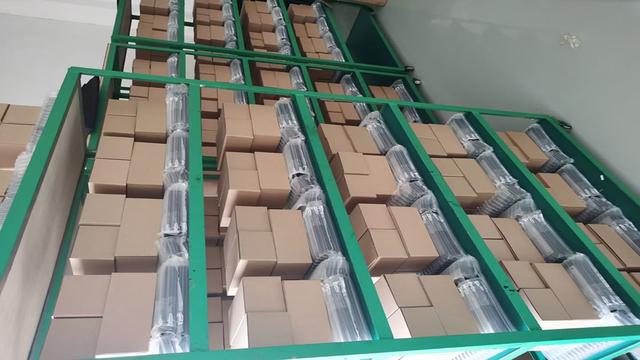
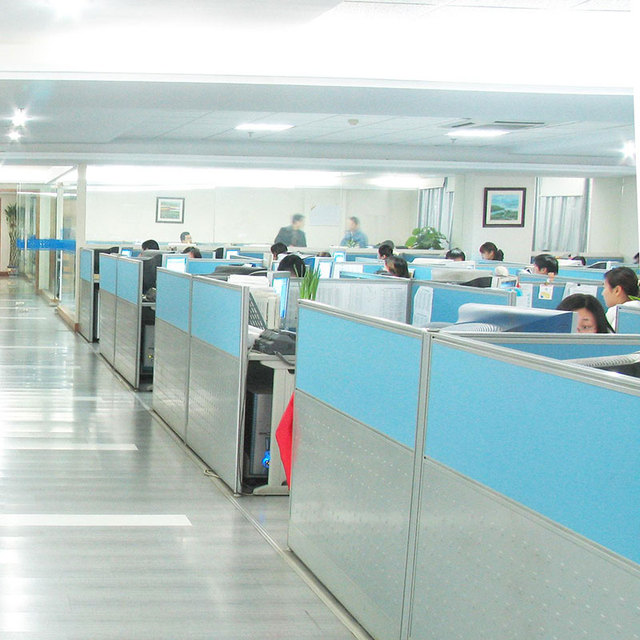
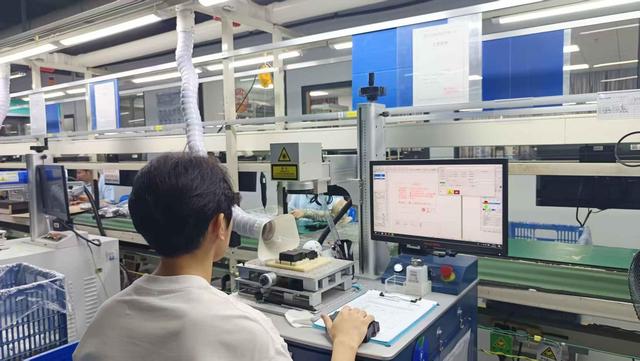
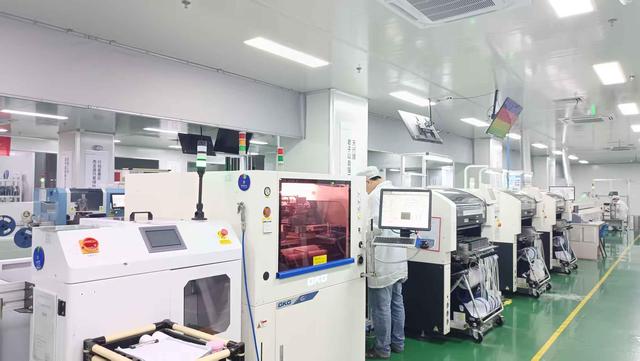
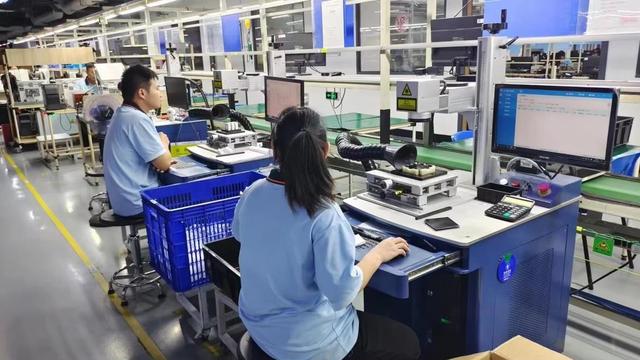
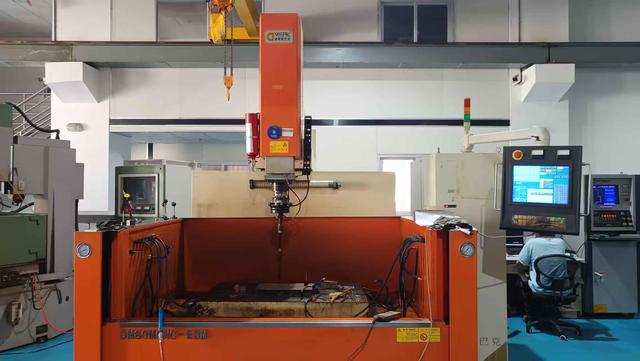
Backed by a skilled engineering team and modern production facilities, the company ensures high product quality through strict testing procedures and compliance with international standards. SMTR also provides flexible customization services to meet diverse project requirements, from apartment complexes and villas to office buildings and industrial sites.
Driven by innovation and customer satisfaction, Guangzhou SMTR SmartLiving is committed to creating smarter, safer living environments. By combining cutting-edge technology with practical design, the company empowers clients worldwide with efficient, scalable, and future-ready security solutions.
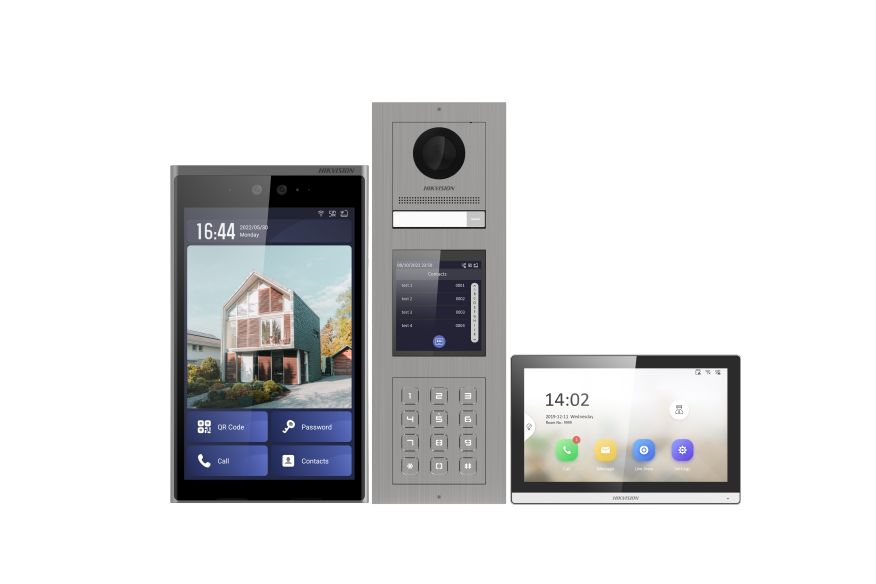
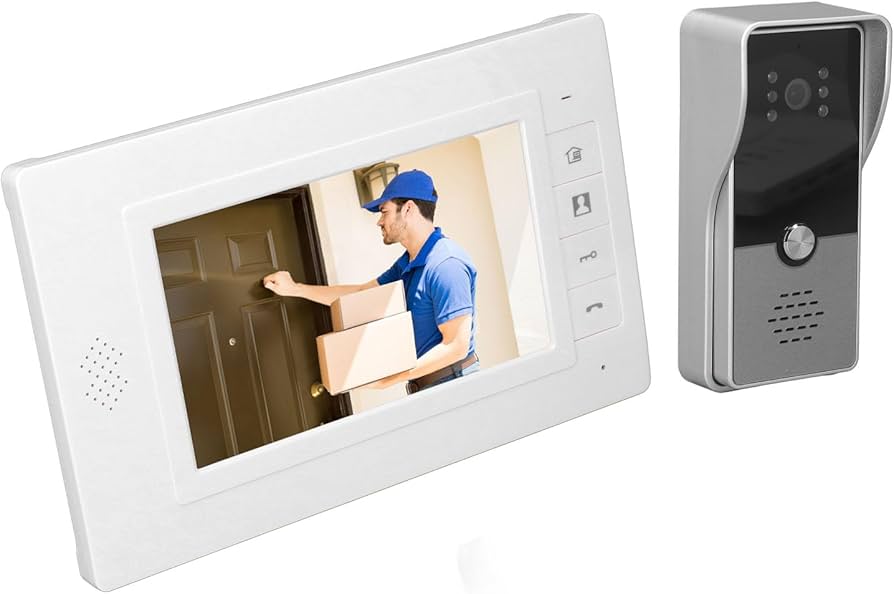
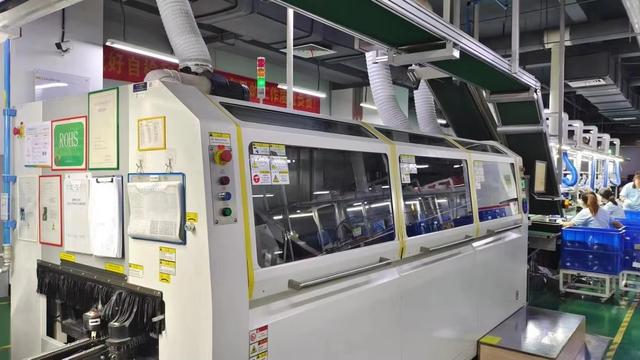
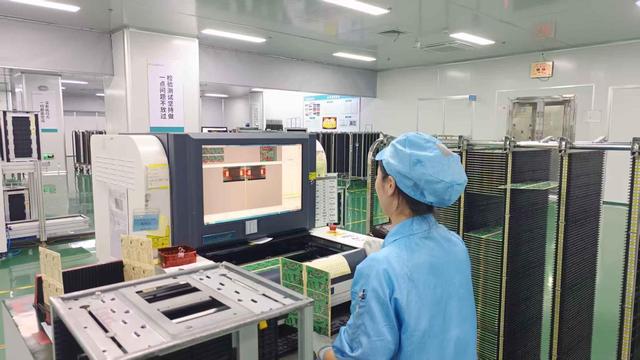
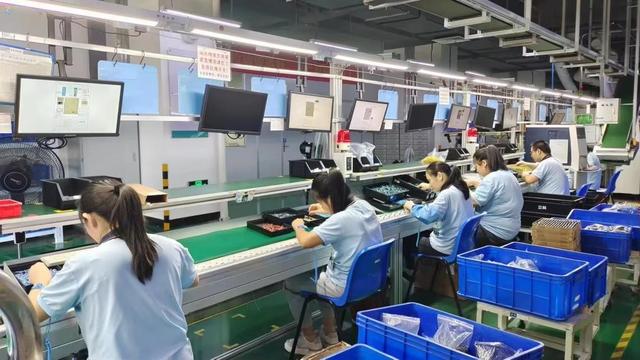
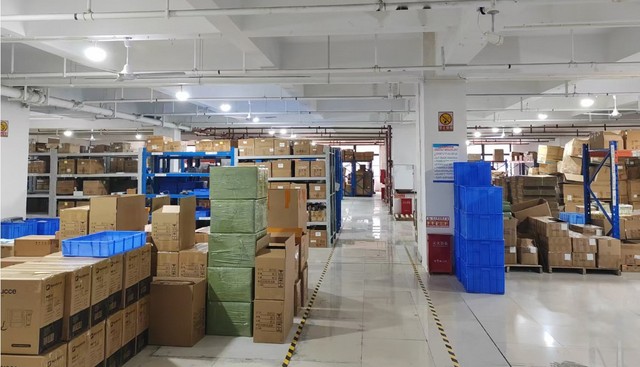
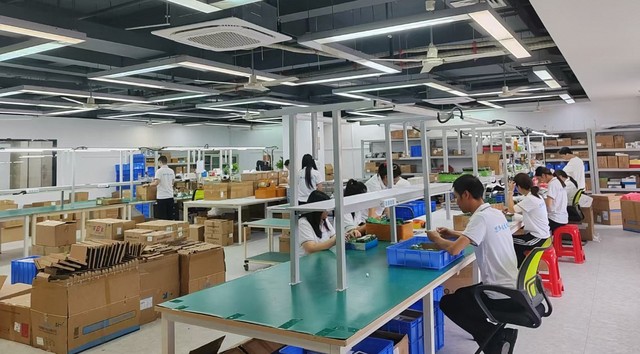
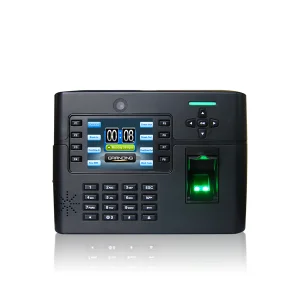
Comprehensive security terminals optimized for multi-location synchronization, time tracking, and gate integration across commercial facilities.
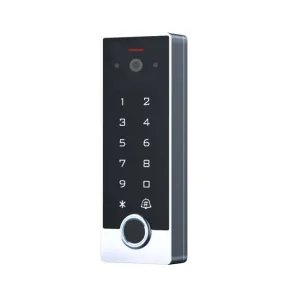
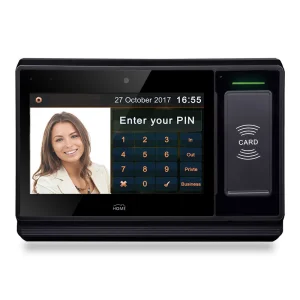
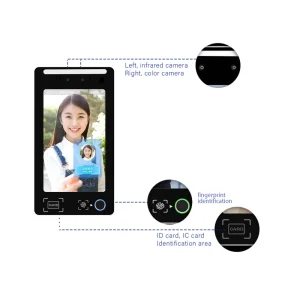
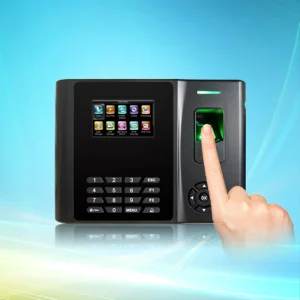
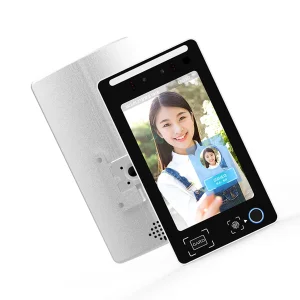
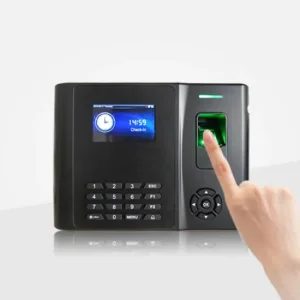
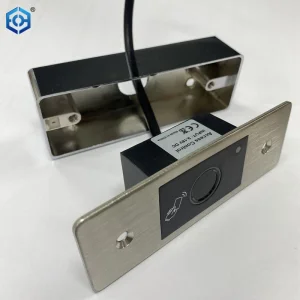
Deploying advanced biometric hardware requires strict adherence to international and local safety frameworks. Because biometric features constitute highly private information, systems must process fingerprint templates internally as mathematical hashes rather than raw images. This complies directly with global GDPR paradigms and emerging data sovereignty guidelines across Central Africa.
Fire regulations require access control systems to fail-open during power cuts or fire alarms. Our hardware supports integration with break-glass fire points, ensuring locks release automatically to protect lives during emergency evacuations.
We provide full API and SDK documentation for software developers in Bangui, enabling seamless integration of our biometric systems into local payroll, human resource databases, and custom security networks.
Our global shipping configurations ensure custom compliance clearance documentation is supplied for port entries in Douala, facilitating smooth land transit via major trade routes directly into Central African security hubs.
Expert answers addressing infrastructure limits, hardware resilience, and device configuration for regional operations.
Contact our project team for custom biometric system design, bulk pricing, and integration support tailored to your region's needs.
Send Inquiry Now SMTR SmartLiving