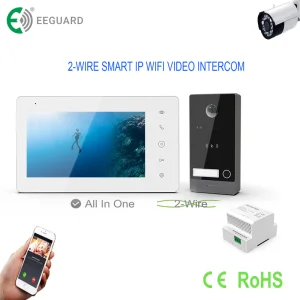
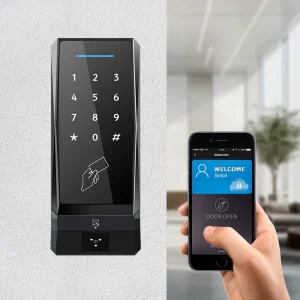
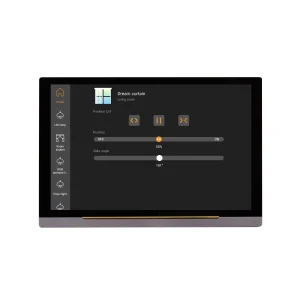
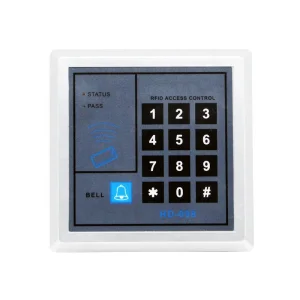
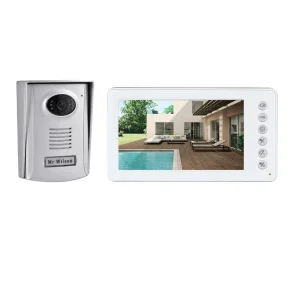
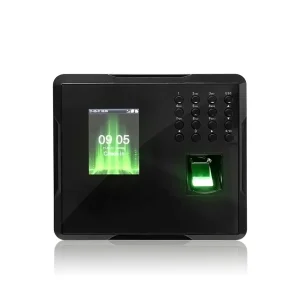
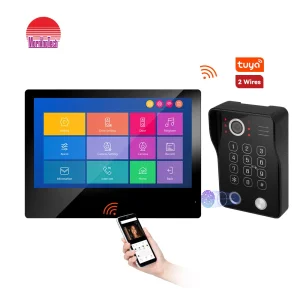
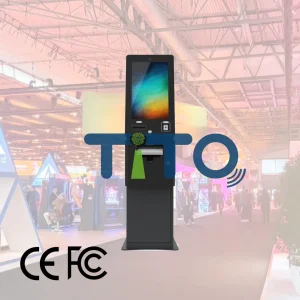
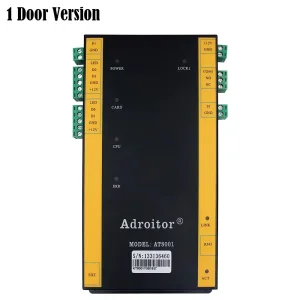
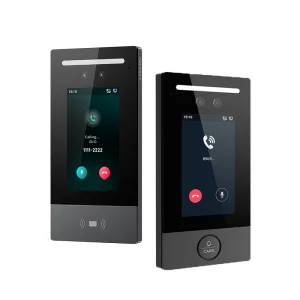
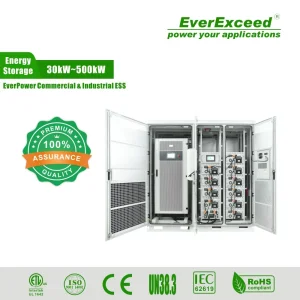
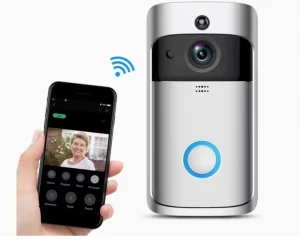
Explore our flagship, highly reliable edge nodes and smart terminal controllers designed for global residential complexes and heavy commercial sites.
Decoding the shift from isolated analog security points to interconnected, compliance-driven AIoT ecosystems.
The global security ecosystem is undergoing a major technological transition. Modern smart surveillance systems are no longer just basic passive recording devices. Instead, they have evolved into active edge-computing platforms that process real-time environmental data, manage authorization profiles, and integrate seamlessly with broader cloud-based facility operations. Driven by rapid urbanization and the proliferation of "smart cities," the global access control and intelligent intercom market is projected to reach unprecedented valuations by 2030.
For international buyers, system integrators, and security professionals, sourcing equipment with recognized certifications like the CE mark (Conformité Européenne) is a critical technical and legal requirement. A CE certification verifies that the smart surveillance equipment complies with essential European standards for electromagnetic compatibility (EMC), low voltage safety (LVD), and radio equipment directives (RED). In high-liability environments, these compliant systems prevent system crashes, safeguard sensitive user data, and protect structural property from electrical faults.
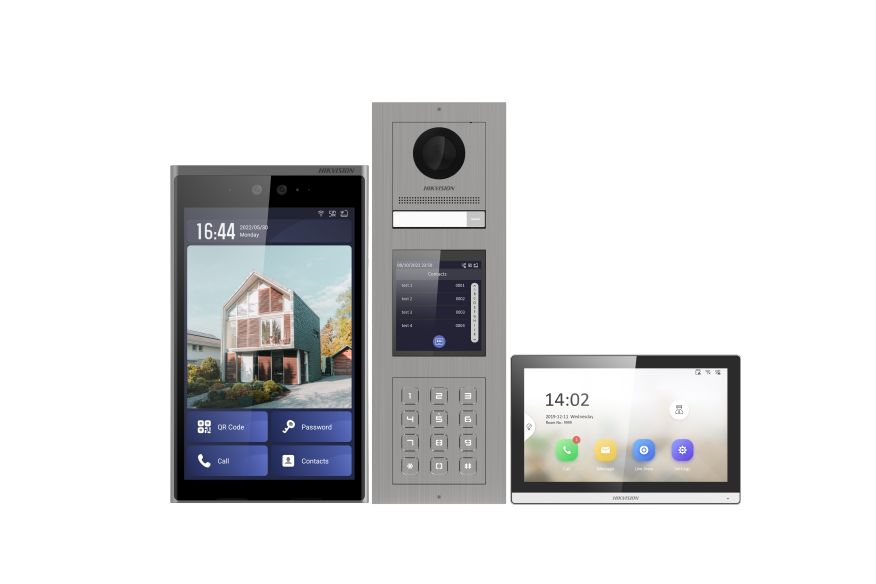
Analyzing physical layer transmission topologies to identify optimal deployment configurations.
Utilizes non-polarized two-wire cabling to transmit audio, video, power, and digital switching signals simultaneously. Essential for historic retrofits where routing new Cat6 cabling is structurally impossible or cost-prohibitive.
Offers unlimited scaling by leveraging local network switches or cloud API integrations. Supports real-time H.264/H.265 video streams directly to smartphone clients and provides remote command interfaces via Tuya or custom building platforms.
Secures local data directories using dedicated hardware chips and advanced biometric algorithms. By using physical templates and offline database synchronization, these units prevent unauthorized network snooping.
| Security Feature Set | 2-Wire Bus Topology | TCP/IP Network Structure | Hybrid (RF / Wireless) |
|---|---|---|---|
| Wiring Requirement | 2x Non-polarized copper lines | Cat5e/Cat6 STP Ethernet cable | 2.4GHz WiFi / 868MHz local RF |
| Installation Complexity | Low - ideal for replacement projects | Medium - requires managed switches | Low - depends on range and line of sight |
| Maximum Transmission Distance | Up to 150m (varies by cable gauge) | 100m (extends indefinitely via switches) | Depends on wireless signal strength |
| Video Resolution Support | Standard Definition to 720p HD | 1080p Full HD / 2K Ultra HD | Up to 1080p HD (depends on bandwidth) |
| Data Security Layer | Physical bus isolation | WPA3 / SSL / TLS / AES-128 Encryption | End-to-End dynamic token handshake |
How enterprise operators implement centralized security nodes to optimize resource allocation and prevent security breaches.
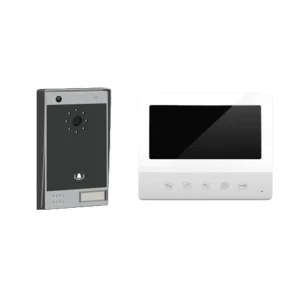
For multi-tenant apartment complexes, video intercom stations with built-in RFID and PIN readers manage access control at main entrances. This lets residents screen visitors through indoor touch monitors, providing both security and convenience.
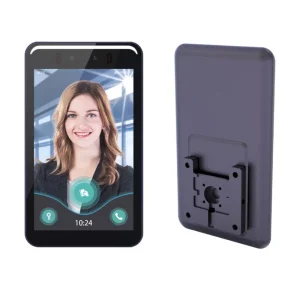
By combining elevator access control relays with facial recognition terminals, security teams can limit access to authorized floors. This layout minimizes internal security risks and simplifies visitor management workflows.
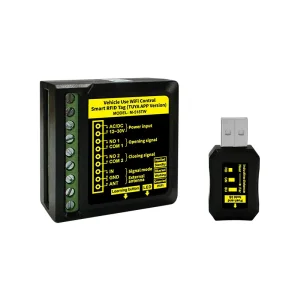
Deploying 2.4GHz active RFID antennas along with heavy-duty keypad access terminals automates gate clearance for fleet vehicles. This setup speeds up logistics turnarounds while maintaining records of all entries and exits.
To protect cleanrooms, server storage hubs, and research areas, multi-factor authentication units (using facial recognition, fingerprint data, and RFID) prevent unauthorized access and document every movement.
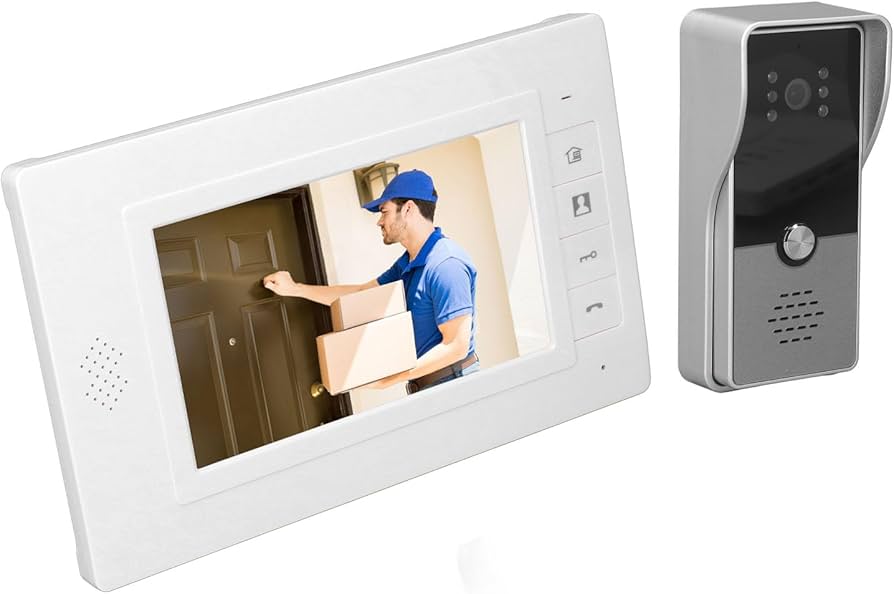
Guangzhou SMTR SmartLiving Co., Ltd. is a trusted China-based supplier of access control and video door phone systems. We specialize in advanced smart home security and intelligent entry management solutions. Headquartered in Guangzhou, the company integrates R&D, manufacturing, and global distribution to deliver reliable, user-friendly security technologies for residential and commercial applications.
SMTR SmartLiving offers a comprehensive product portfolio, including video door phones, smart doorbells, biometric and RFID access control systems, and cloud-based management platforms. Designed for convenience, safety, and connectivity, our solutions enable real-time monitoring, remote access, and seamless integration with modern smart home ecosystems.
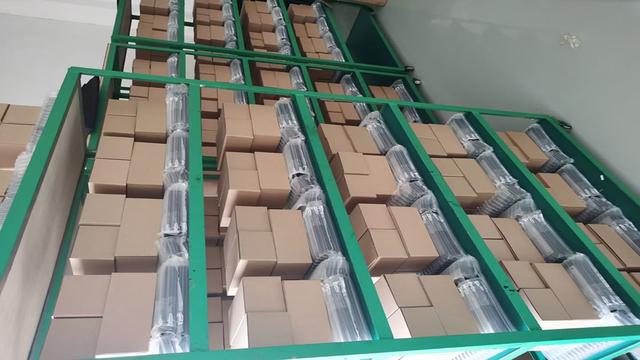
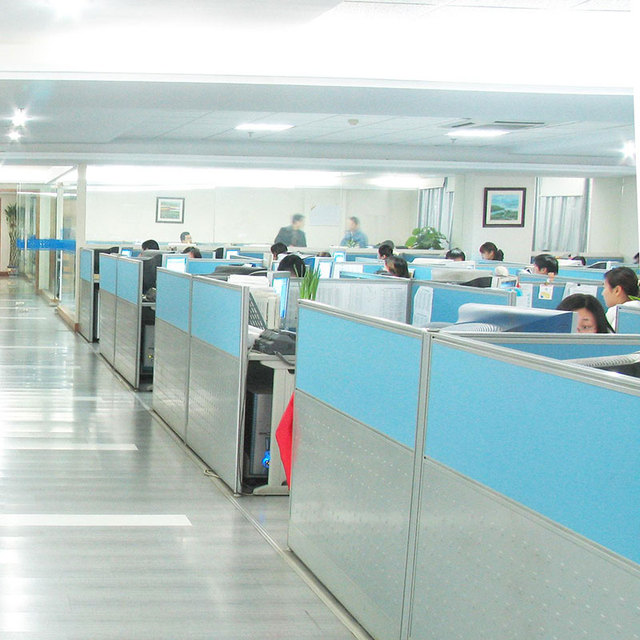
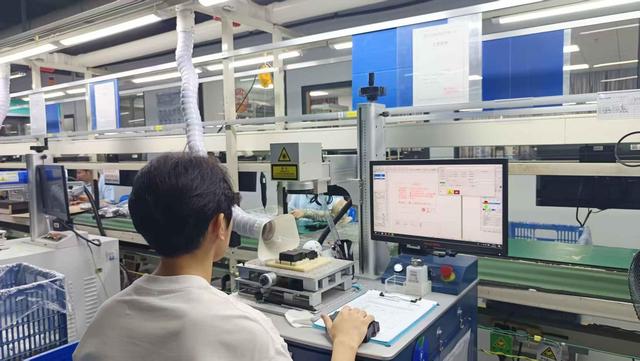
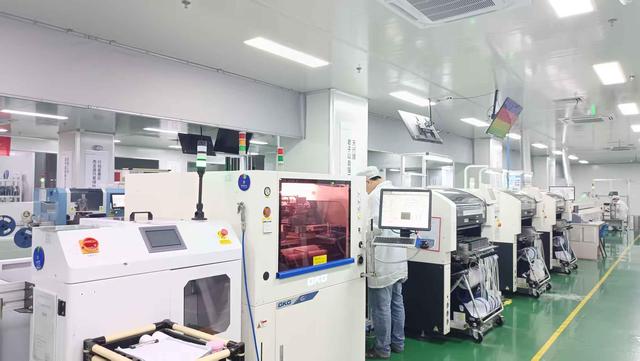
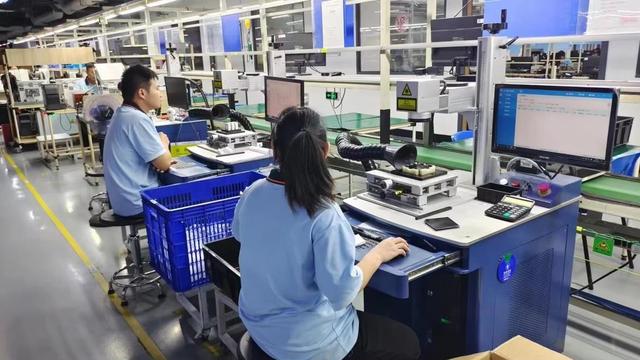
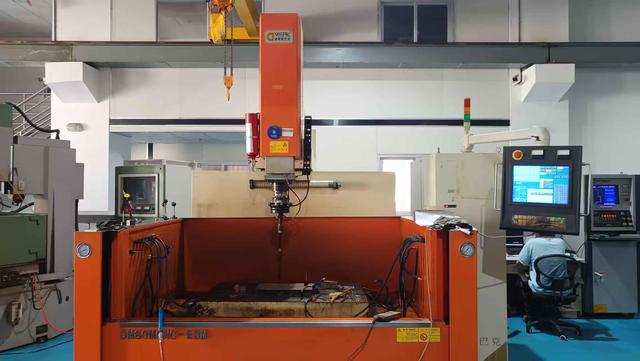
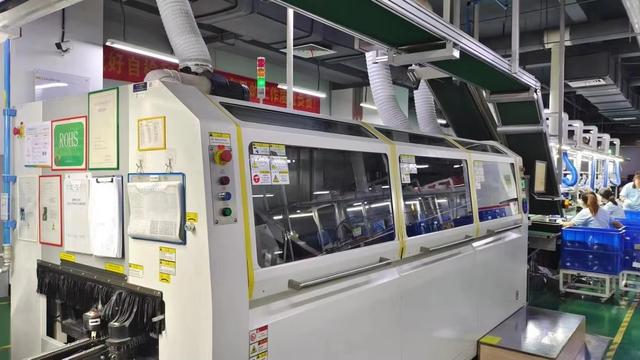
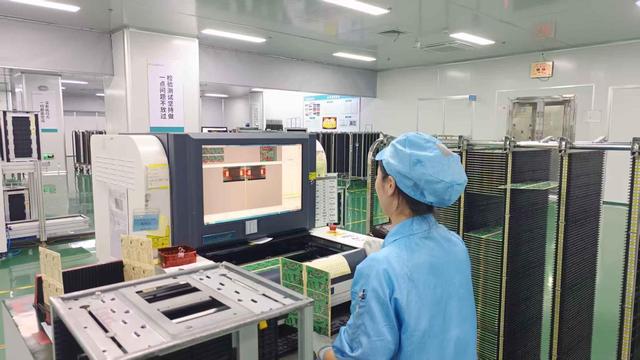
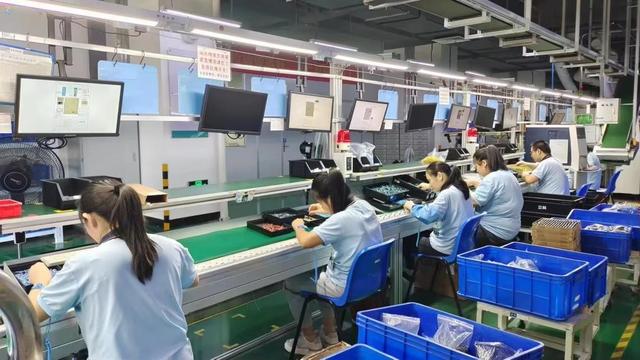
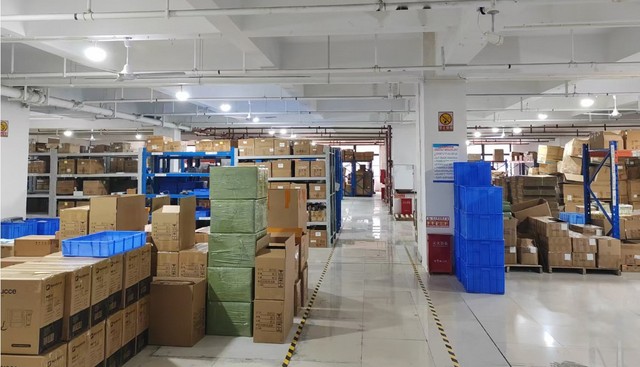
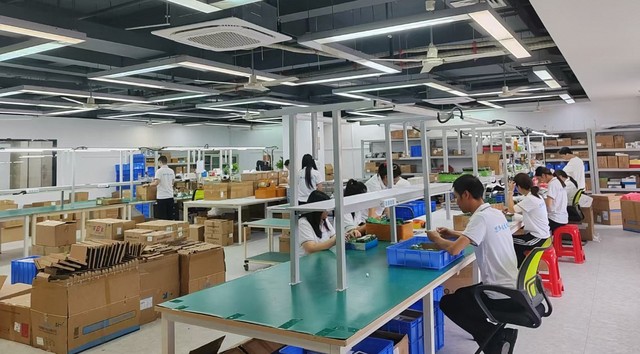
Exploring our production lines, quality testing procedures, and engineering processes.
Backed by a skilled engineering team and modern production facilities, Guangzhou SMTR SmartLiving Co., Ltd. ensures high product quality through strict testing procedures and compliance with international standards. SMTR also provides flexible customization services to meet diverse project requirements, from apartment complexes and villas to office buildings and industrial sites.
Our manufacturing workflow follows strict ISO 9001:2015 quality management guidelines. To ensure long-term durability in outdoor installations, every hardware batch undergoes accelerated aging tests, thermal shock evaluation (ranging from -40°C to +70°C), IP65/IP66 ingress protection verifications, and salt spray exposure tests. This systematic focus on quality reduces field failure rates to less than 0.15%, safeguarding your projects from costly post-installation maintenance issues.
Driven by innovation and customer satisfaction, Guangzhou SMTR SmartLiving is committed to creating smarter, safer living environments. By combining cutting-edge technology with practical design, the company empowers clients worldwide with efficient, scalable, and future-ready security solutions.
Our strategic planning for AI integration, decentralized systems, and zero-trust security designs.
Integrating neural processing units (NPUs) into door and gate stations. This enables local facial recognition, line-crossing detection, and package identification without sending raw video feeds to external cloud storage.
Upgrading firmware to support Matter, Zigbee, and enhanced Tuya cloud APIs. This creates a unified smart ecosystem where intercom systems connect seamlessly with lighting, automated blinds, and alarm systems.
Moving away from static passwords and keycards. The system implements dynamic cryptographic handshakes, secure enclave credentials on mobile apps, and temporary biometric authorizations to prevent access spoofing.
Integrating high-capacity micro-UPS and commercial energy storage modules with entry points. This ensures access networks stay operational during regional grid outages or emergencies.
Detailed answers to direct queries from security engineers, project estimators, and distributors.
CE certification requires products to pass rigorous testing based on EU directives. These include electromagnetic compatibility (EMC EN 50130-4) to prevent signal interference with nearby electronics, low voltage safety (LVD EN 62368-1) to ensure electrical safety, and radio equipment compliance (RED EN 300328) for WiFi or RF-enabled modules. Our factory handles all validation processes internally, ensuring compliance before global shipment.
Our 2-wire technology uses frequency-division multiplexing (FDM). Power is supplied over a low-frequency DC bias, while high-frequency bands transmit analog HD or digital IP-over-2-Wire data. Built-in filters at each monitor and door station separate these signals, delivering clear video and audio without interference or crosstalk.
Yes. Our access control controllers feature dry-contact auxiliary inputs and output relays dedicated to fire alarm integrations. When a fire alarm is triggered, the controller automatically releases power to magnetic locks and strikes, opening emergency exit paths in compliance with local safety regulations.
We prioritize security by using hardware-based encryption. Biometric credentials and facial photos are converted into cryptographic hash templates before storage. The device does not save raw images. Additionally, data is protected locally with AES-256 encryption, preventing unauthorized extraction or tampering if the physical device is compromised.
Using Tuya integration links the intercom to a global, secure cloud network. End-users receive call alerts, view live video, and unlock doors directly from the Tuya Smart or Smart Life mobile apps. This setup also enables smart automation rules with other Tuya-compatible devices, such as turning on hallway lights when a visitor is verified.
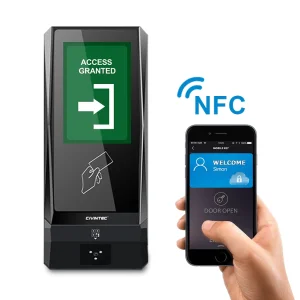
Our Civintec Elevator Access Control System uses relay output extension boards. The main controller connects to the elevator panel, and when a user scans their card, finger, or face, the controller signals the extension board to enable only the buttons for the floors that user is authorized to access.
We provide extensive OEM/ODM support, including custom plastic and metal enclosures, brand logo screen printing, customized UI skins on indoor touch monitors, custom firmware setups, and SDK/API libraries for third-party software integrations.
Explore additional specialized components in our line-up, featuring facial recognition scanners, power backup systems, and wireless connectivity solutions.
 SMTR SmartLiving